Introduction to Professional Teeth Whitening at ALPINE WHITE
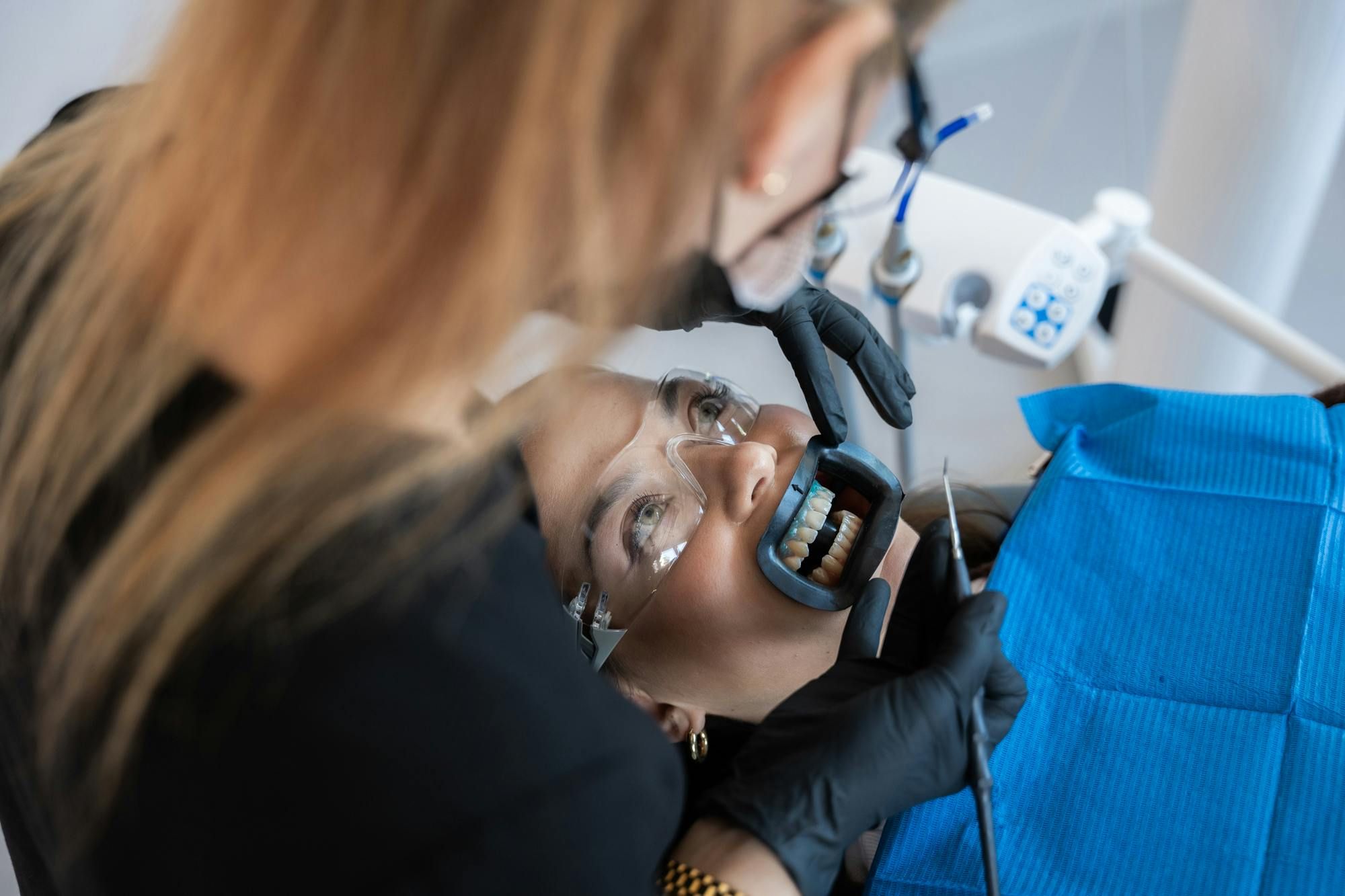
At ALPINE WHITE, we understand the importance of a radiant smile and how it can boost self-confidence. That's why we offer advanced whitening treatments performed by specially trained dental hygienists, away from the traditional dental practice. Our methods are specifically designed to be gentle on enamel and kind to gums, making them ideal for clients with sensitive teeth. This gentle approach is particularly beneficial for people with exposed tooth necks or those who have already experienced gum inflammation.
Our goal is to achieve whiter teeth without the risks often associated with more aggressive power whitening methods. Traditional whitening procedures offered in a dental practice can sometimes lead to hypersensitivity, especially when strong whitening agents such as hydrogen peroxide are used. These substances can expose the dentin that lies beneath the enamel, causing pain and long-term damage.
ALPINE WHITE offers a gentle alternative that preserves the natural protection of the teeth and yet effectively combats tooth discolouration caused by stimulants such as coffee, tea or red wine. Our treatments are designed to achieve a radiant smile in a short space of time, without the need for invasive methods such as veneers or extensive dental procedures.
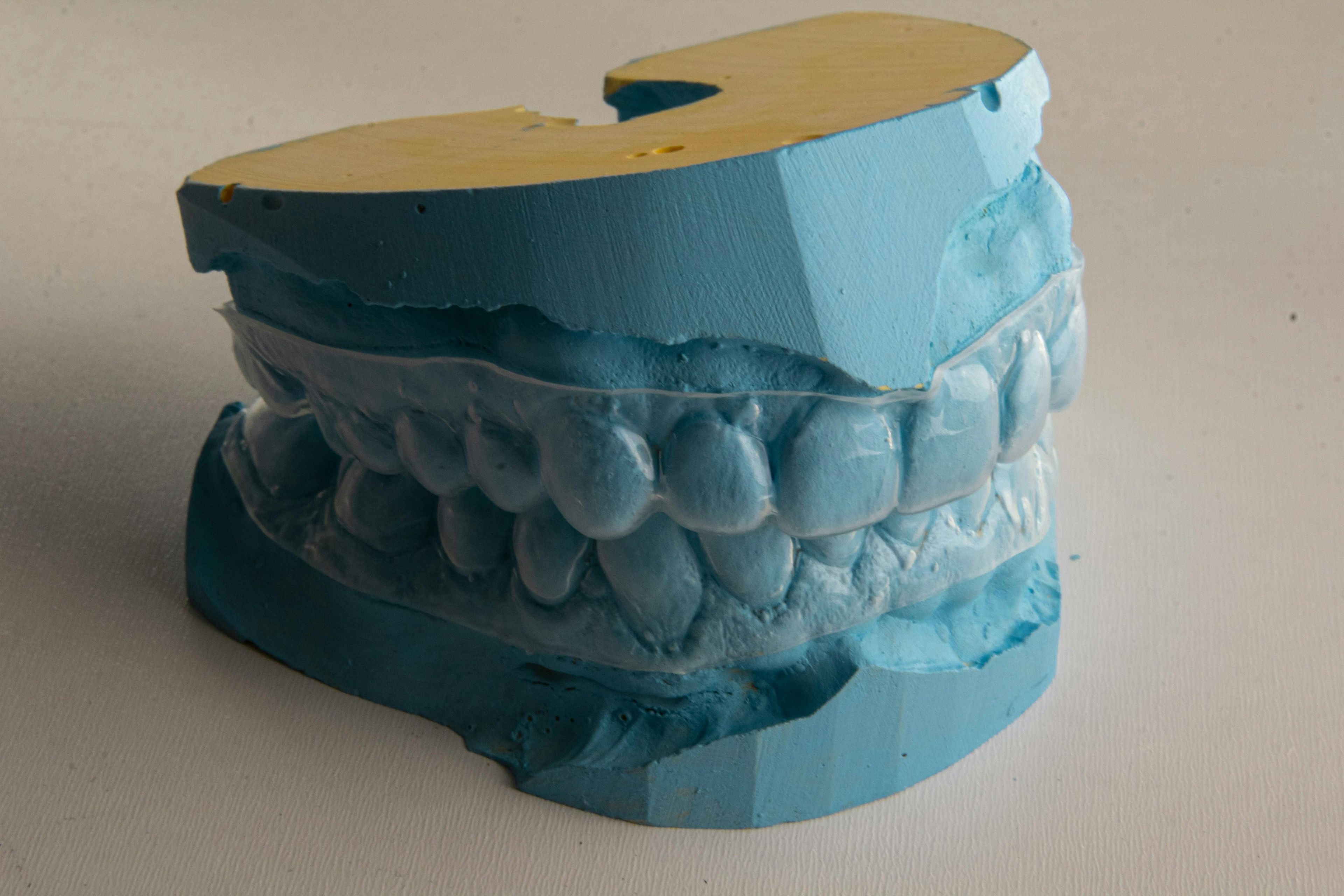
In addition to bleaching treatment, we emphasise thorough dental care and the use of special toothpastes that not only whiten teeth but also protect them. We also offer special plastic trays that can be used after professional teeth cleaning to maintain the result and minimise new discolouration. Our customised trays fit perfectly and offer a comfortable alternative to the often bulky trays available in drugstores.
Our professional whitening is a safe and effective way to achieve healthy and white teeth in a short time, without the usual risks of a dental practice. At ALPINE WHITE, we want every client to have a healthy and bright smile that not only looks beautiful, but also promotes overall oral health.
Important considerations before bleaching treatment
Before beginning any whitening treatment, there are several important aspects that should be considered to ensure that the treatment is effective and safe. Firstly, it is crucial that a thorough dental examination is carried out. Our dental experts should check to see if any decay is present or if root canal treatment is needed, as these conditions will need to be addressed before teeth whitening. If root canal treatment is required, we will refer you to a dentist we trust.
It is also important to assess the condition of any existing fillings. Fillings, especially older or discoloured ones, do not react to the whitening gel and may stand out after treatment compared to the rest of the whitened tooth. Individuals with many fillings or other dental work should discuss their options and expectations to achieve the desired result.
In addition, it is essential to analyse the condition of the discoloured teeth. Not all discolourations can be improved by bleaching. Deep-seated discolouration that may have been caused by medication or certain diseases may be more resistant to bleaching methods. A professional assessment will help determine what type of bleaching would be most effective or whether alternative cosmetic treatments such as veneers might be a better solution.
Professional teeth cleaning before teeth whitening
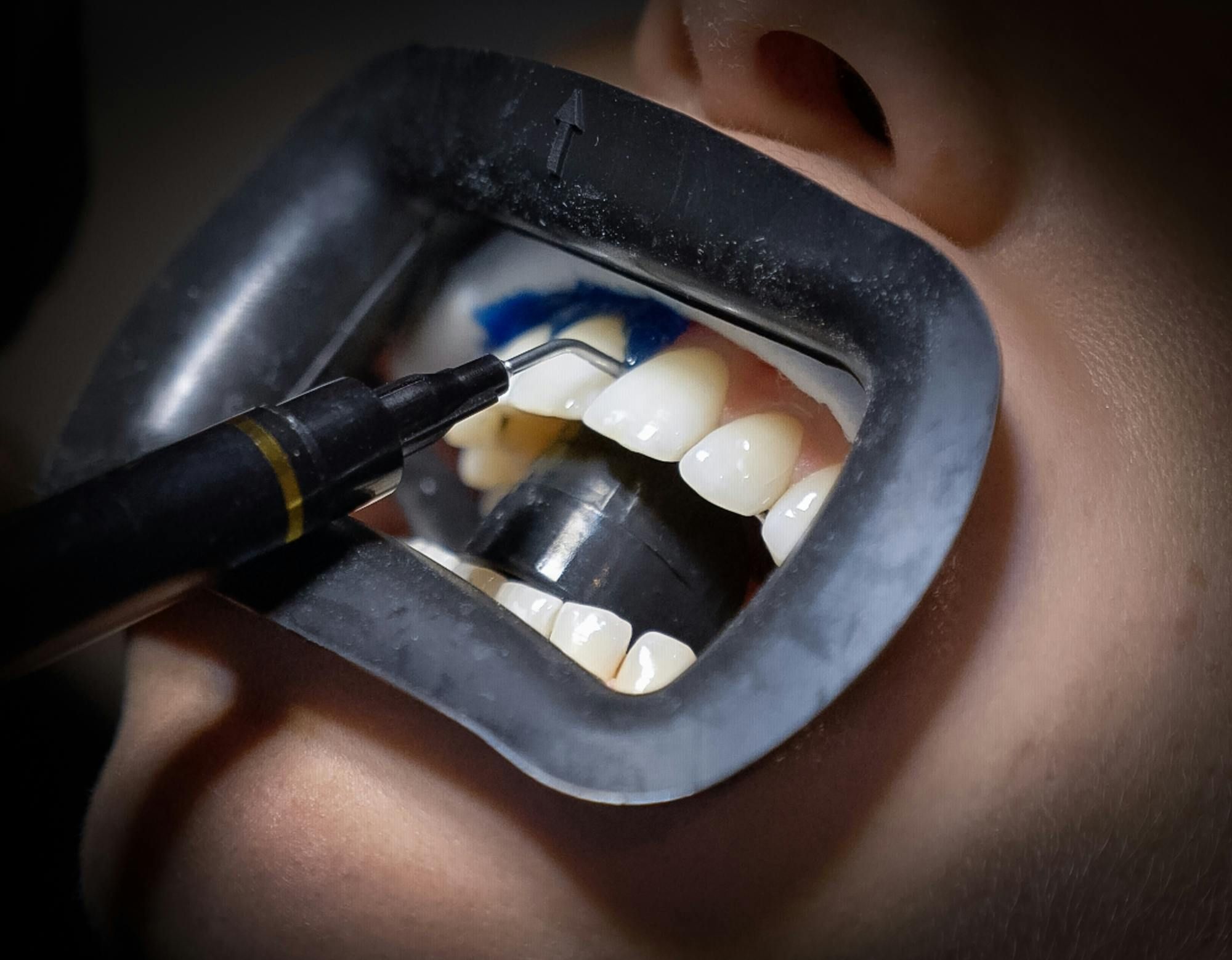
A professional teeth cleaning is essential before any bleaching treatment begins. Our dental hygienists will carry out a thorough cleaning to remove plaque, tartar and external pigments that have built up on the tooth surface. This cleaning not only ensures that the whitening gel works more effectively, but also improves overall oral hygiene.
The advantages of in-office whitening at ALPINE WHITE
Our Studios in Zurich and throughout Switzerland use state-of-the-art technologies and methods for whitening that are not based on aggressive peroxides. Instead, we use special bleaching gels that effectively combat discolouration without damaging the tooth enamel. This method minimises the risk of gum irritation and protects against hypersensitivity - a common problem with conventional bleaching methods.


 Teeth Whitening