Coffee consumption and its effects on dental health
Coffee is more than just a morning pick-me-up; for many, it is a faithful companion throughout the day. Whether it's breakfast, lunch or a cosy get-together with friends - a cup of coffee is simply part of the day. But have you ever wondered what impact your coffee consumption has on your dental health?
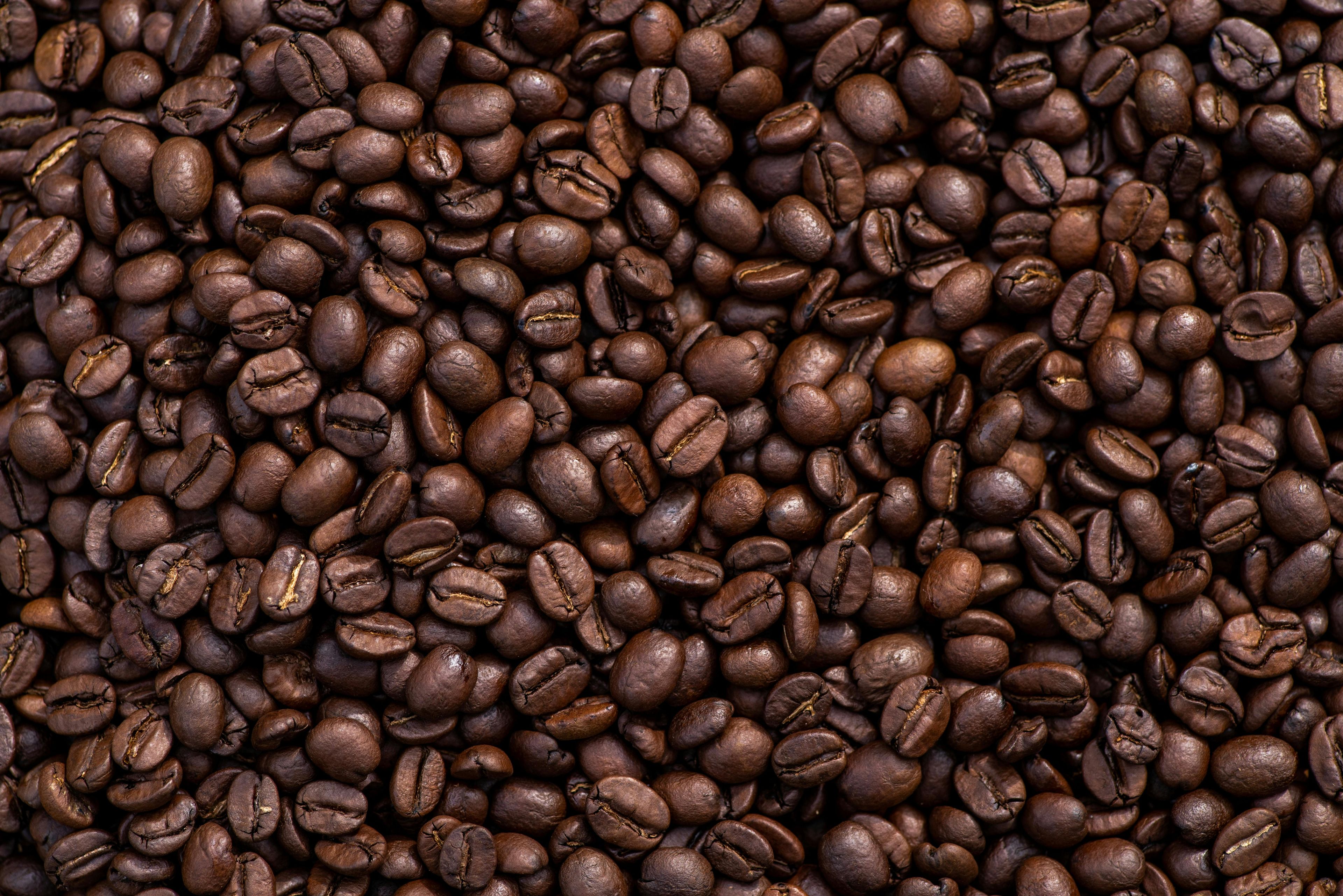
Let's start with the basics: coffee contains tannins. These are plant substances that are responsible for the bitter taste of coffee. But they do more than that. Tannins are colour pigments that have the ability to adhere to various surfaces - including your tooth enamel. Enamel is the outer layer of your teeth and acts as a shield against decay and other forms of tooth decay. Unfortunately, it is also susceptible to staining.
If you drink coffee regularly, these tannins can gradually build up on the enamel. The result? Unsightly discolouration of the teeth, which can range from a slight yellow tint to clearly visible brown stains. These discolourations are known in the trade as "extrinsic discolourations" because they affect the outer surface of the teeth.
It is also important to note that the acid in coffee can further weaken tooth enamel. Weakened enamel is less resistant to discolouration and increases the risk of other dental problems such as tooth decay and tartar.
Combined with other factors such as consumption of sugary or acidic foods and drinks, poor oral hygiene or smoking, the effects of coffee drinking on your dental health can be even more serious.
Therefore, it is crucial to be aware of the potential risks and take proactive steps to look after your teeth. Because while coffee may be essential, it shouldn't come at the expense of your dental health.
Tooth discolouration
Coffee is a popular drink not only in Germany and the USA, but all over the world. But this love of coffee comes at a price, especially when it comes to dental health. Coffee is one of the main causes of extrinsic discolouration, i.e. discolouration that affects the outer surface of the teeth. These can range from a light yellow to noticeable brown stains. What is particularly problematic is that these stains can become more stubborn over time if they are not treated properly. It is no wonder, then, that awareness of this problem is growing in coffee-loving countries like Germany and the USA.
Oral hygiene: Your first step towards a remedy
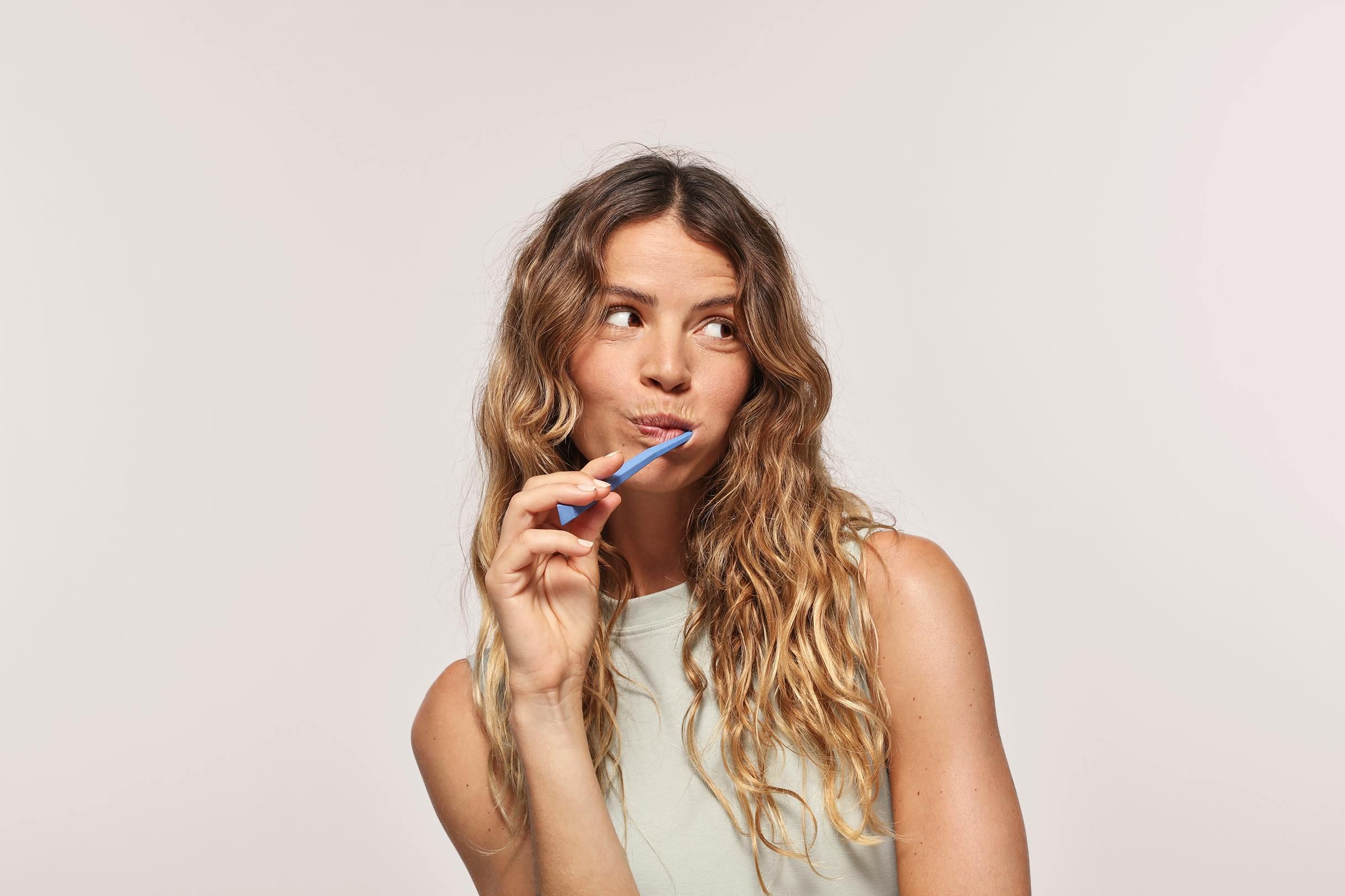
The good news amidst all the risks coffee can pose to your teeth is that there is a lot you can do yourself to effectively prevent tooth discolouration. The first and essential step in this regard is regular tooth brushing. Brushing not only removes food particles and plaque, but also the pigments that can build up on your teeth from coffee consumption.
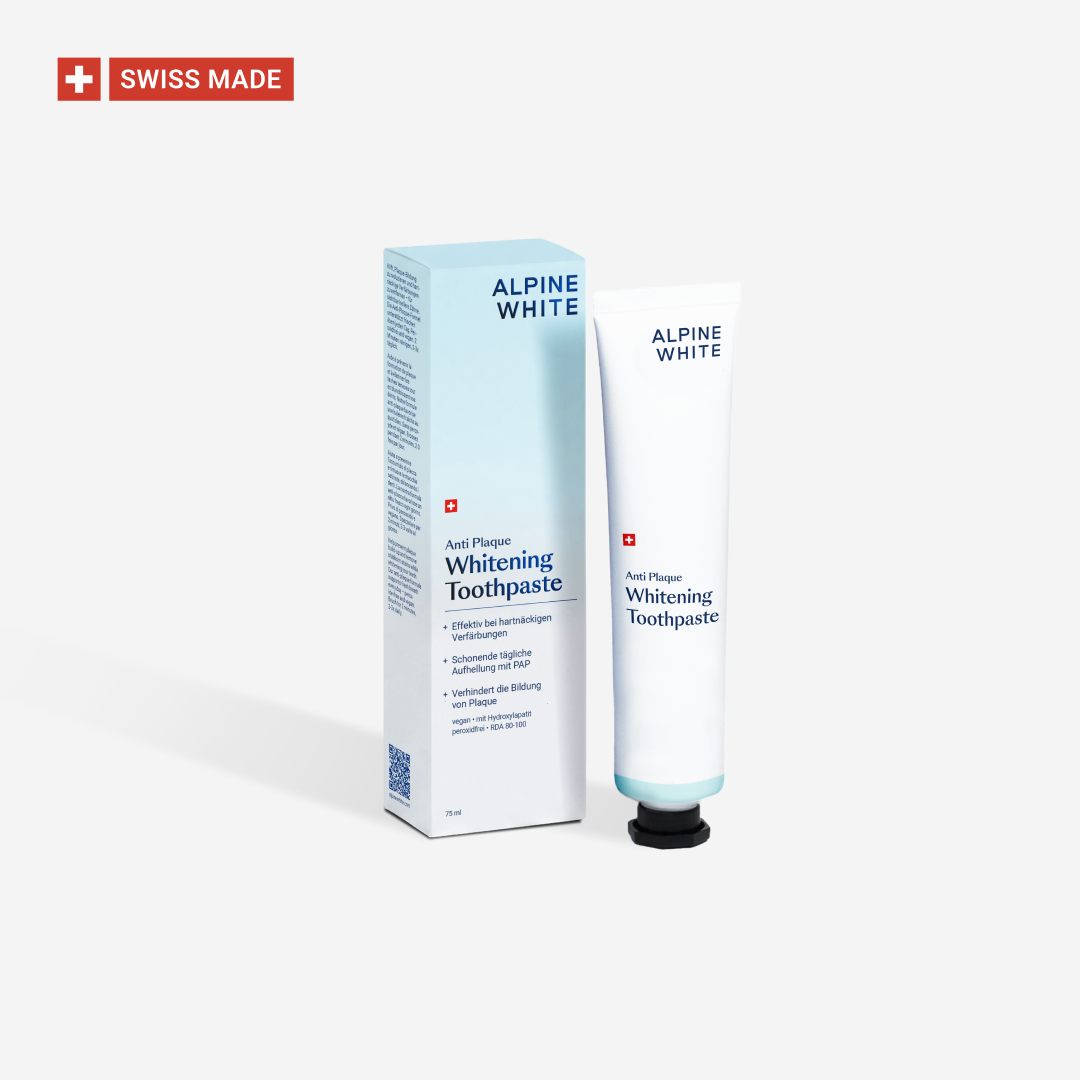
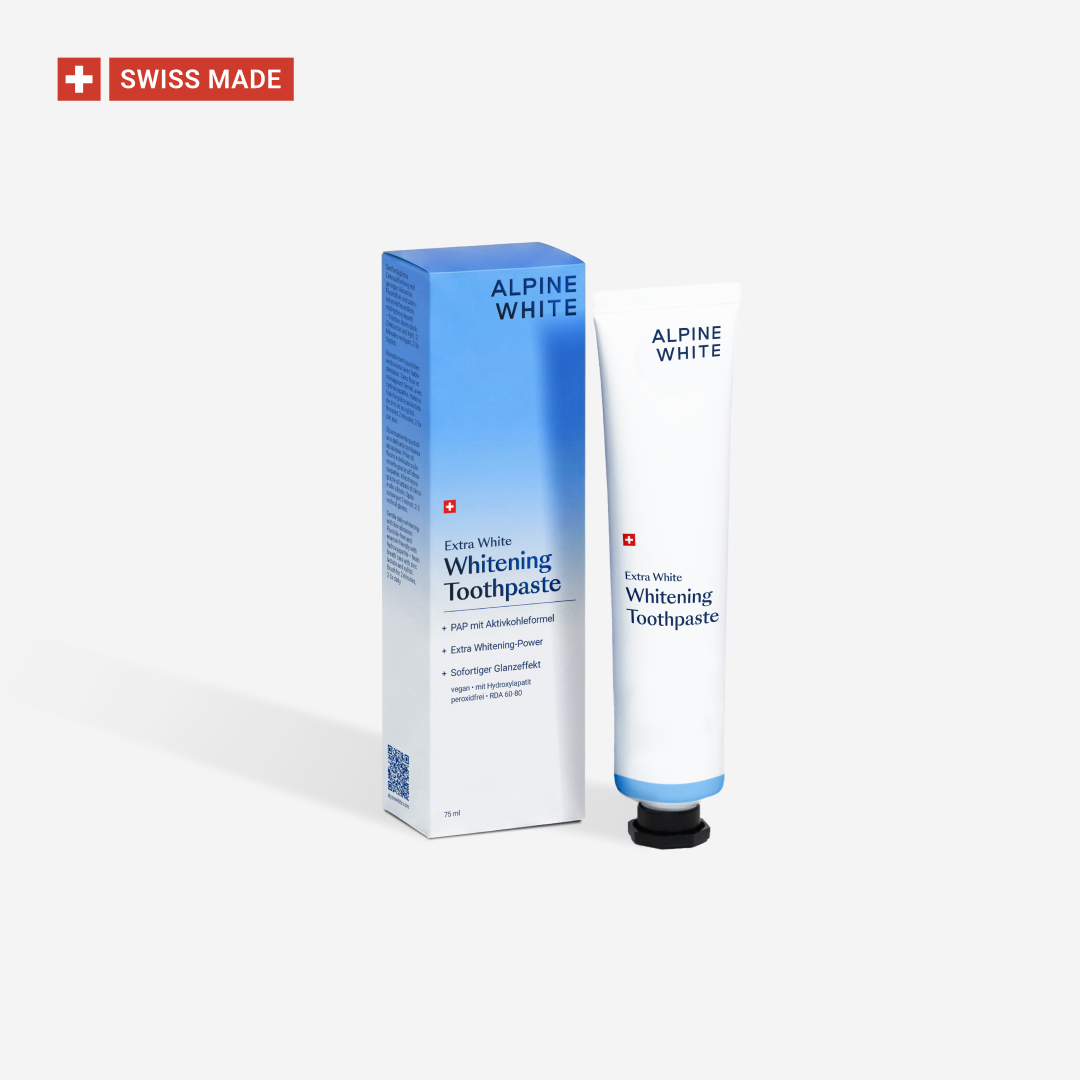
Special toothpastes with whitening properties are best for effectively counteracting yellow teeth and dark discolouration. These toothpastes are formulated with special ingredients that aim to dissolve and remove the pigments that are deposited on the enamel. For optimal results, we recommend our Whitening Toothpaste Extra White. The toothpaste is not only effective but also safe for long-term use to whiten your teeth. If you have sensitive teeth, our Whitening Toothpaste Sensitivity Relief is the perfect solution. It offers the same whitening effect but is specially formulated for sensitive teeth. So you can brush your teeth gently and get a bright white smile at the same time.
But be careful: Brushing too aggressively can damage the enamel and expose the underlying dentin. This dentin is naturally less resistant to staining. When it is exposed, pigments can settle more easily and even worsen the problem of tooth discolouration.
Therefore, it is crucial to practice balanced oral hygiene. This means brushing effectively but gently so as not to unnecessarily stress the enamel. Using a soft toothbrush and a gentle brushing technique can help keep your teeth clean without damaging the enamel.
With these tips, you can fight tooth discolouration and keep your smile bright and white, even if you are an avid coffee drinker.


 Teeth Whitening