How is receding gums treated?
The treatment of gum recession depends on the severity of the problem and the underlying causes affecting oral health. In the early stages, such as mild gum recession, it may be sufficient to improve oral hygiene practices and address factors like hormonal changes that might be contributing to the condition. For those experiencing tooth sensitivity or bad breath associated with gum recession, specialized toothpastes and mouthwashes may be recommended.
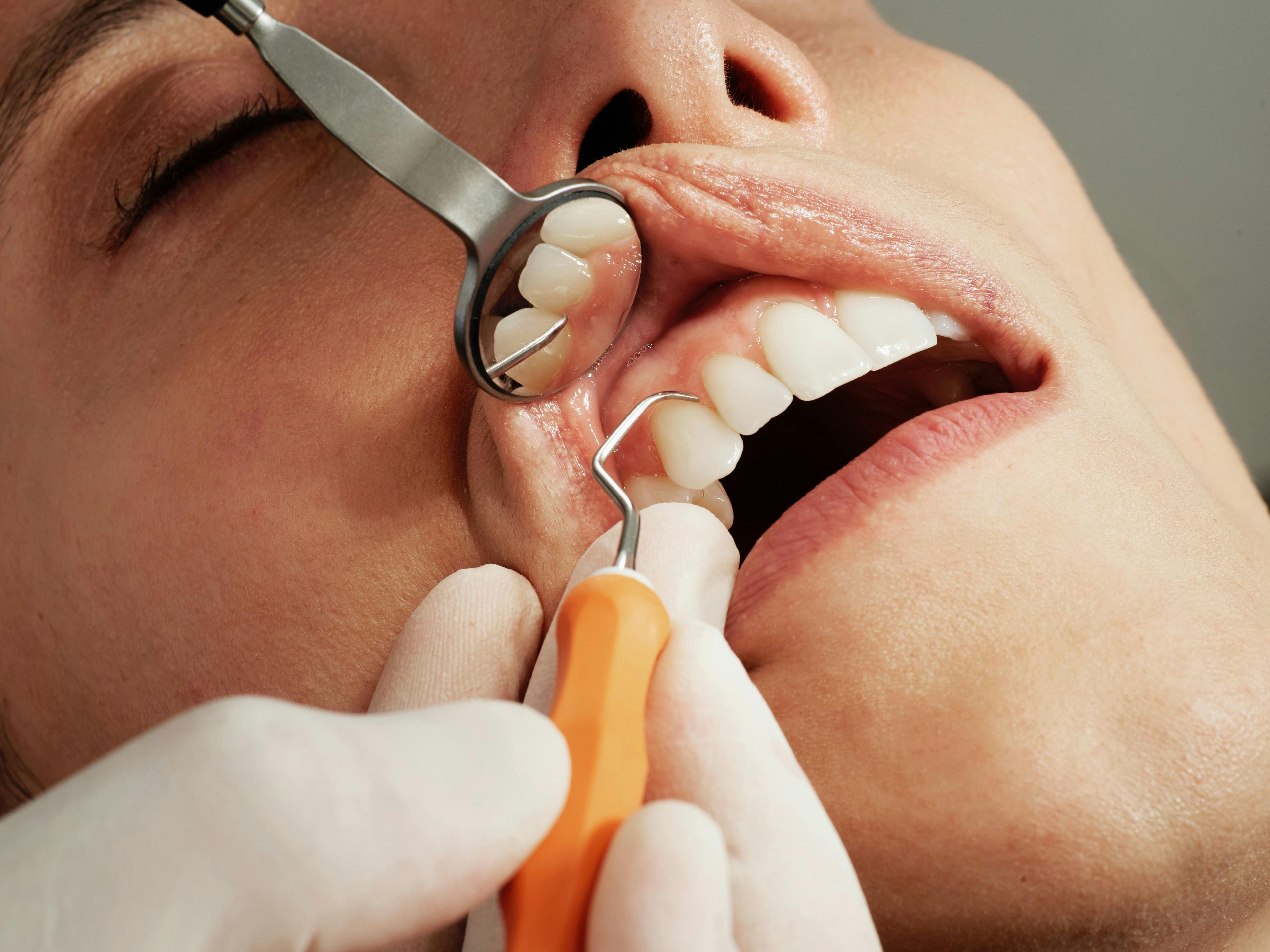
In advanced cases, especially if gum pockets have developed or the jawbone is affected, professional treatment in a dental office may be necessary. This may involve surgical procedures like gum grafting, where tissue from the roof of the mouth or another part of the mouth is transplanted to the affected areas to rebuild the gums and cover the exposed tooth root(s). This procedure, known as a tissue graft, is a type of gum surgery that helps restore the natural gum line and protect the teeth from further damage. Another potential treatment is a deep cleaning process known as root planing, where the roots of the teeth under the gum line are cleaned to remove plaque and tartar.
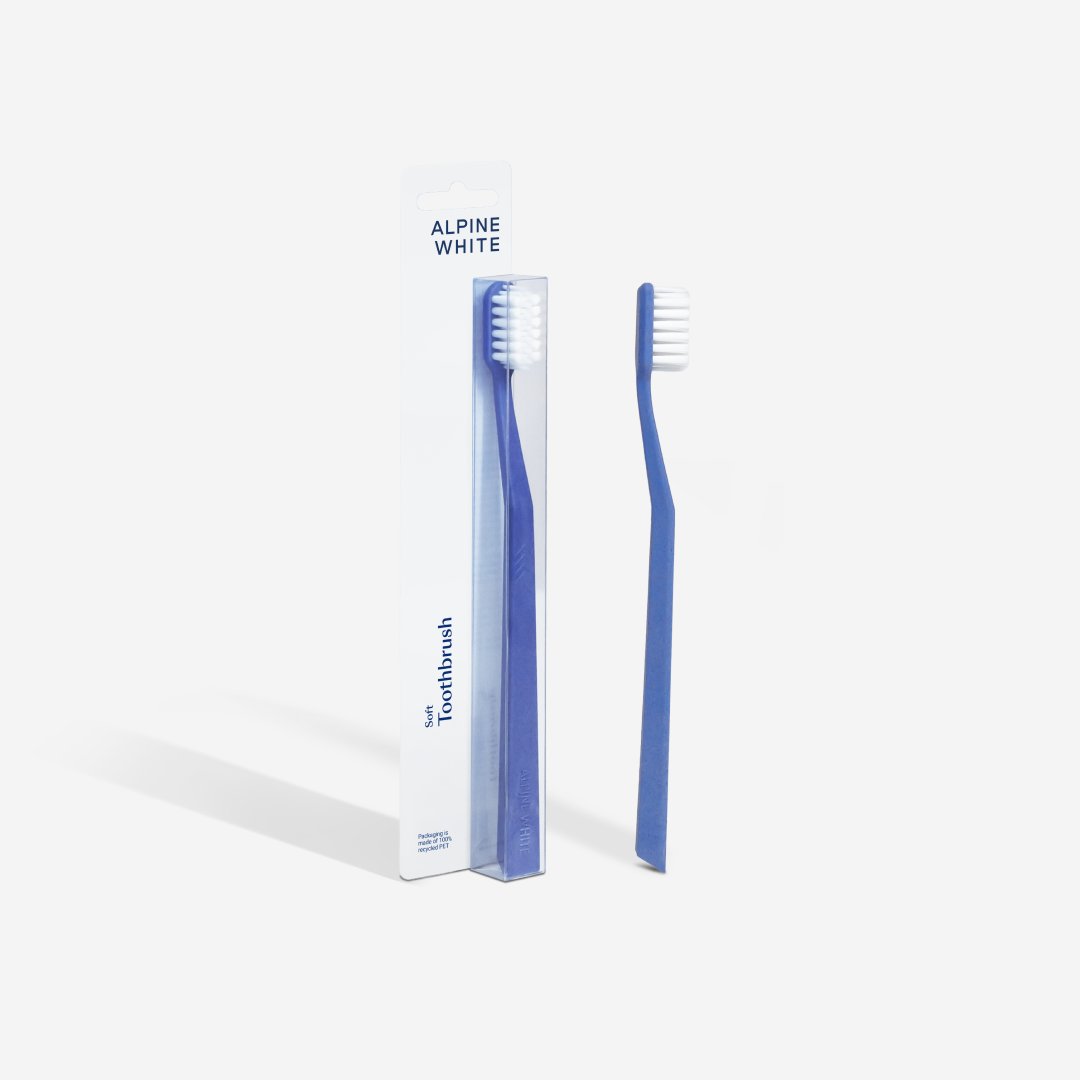
Treatment may also include the use of special mouthwashes and toothpastes to help keep the gums healthy and reduce the build-up of plaque. ALPINE WHITE Anti-Plaque Toothpaste is ideal for this purpose, as it uses natural ingredients to effectively prevent plaque and tartar from sticking to your teeth. A professional teeth cleaning at our ALPINE WHITE studio is also important to remove plaque and tartar, which can contribute to gum inflammation such as gingivitis or even periodontal disease.
In severe cases where tooth loss has occurred, the dentist may recommend dentures such as implants, bridges, or dentures to replace the missing teeth and improve the function and appearance of your mouth. It is important to discuss these and other possible treatments with your dentist to determine the best course of action for your particular situation.




 Dental Hygiene