What is teeth bleaching?
Teeth bleaching, also known as teeth whitening, is a widespread cosmetic procedure in dentistry. The aim is to make your teeth lighter and effectively remove unsightly discolouration. This discolouration can be caused by consuming certain foods and drinks such as coffee, tea and red wine, or encouraged by smoking. Natural ageing and certain medications can also have a negative effect on tooth colour.
The role of bleaching agents
Special bleaching agents are used to bleach teeth. These often contain hydrogen peroxide or carbamide peroxide, substances that penetrate deep into the tooth surface and break down the organic molecules that cause discolouration. These chemical reactions visibly lighten the teeth, giving them a brighter and more even appearance.
The importance of dental hygiene
Oral hygiene is an essential aspect of teeth bleaching. To maintain the results of bleaching over the long term and promote overall dental health, thorough dental hygiene is essential. Regular professional teeth cleaning and consistent daily dental care are indispensable. They not only help to prolong the effects of whitening but also protect against discolouration and other dental problems.
Challenges and special conditions
Some teeth, especially those affected by tooth decay, root canal treatment or other trauma, can be problematic for conventional bleaching agents. These teeth often need additional dental treatment to restore their natural colour or at least stabilise the tooth structure. In addition, exposed tooth necks or worn enamel can lead to increased sensitivity, which makes bleaching these areas more difficult.
Dealing with hypersensitivity
Some people may experience hypersensitivity after a bleaching treatment. That is why it is important that such treatments are always carried out under the supervision of professionals. Professionals can take suitable measures to protect the gums and tooth structure and to minimise possible pain.
Bleaching at the dental practice (in-office bleaching)
At a dental practice, you can have what is known as in-office bleaching carried out. This is a fast method of whitening teeth, often referred to as power bleaching. A strong bleaching agent, usually containing hydrogen peroxide or carbamide peroxide, is applied to the tooth surface. A special light source, such as Philips bleaching lamps, is often used to activate the gel. This treatment takes about an hour and can whiten your teeth significantly. With power bleaching, however, white teeth often come at the cost of pain, as the bleaching gel is very aggressive.
Home bleaching: the DIY alternative
In addition to in-office bleaching, there is also the option of home bleaching. For example, your dentist gives you custom-made trays that are filled with a bleaching gel. This gel is usually less concentrated than the one used in the practice. You wear the trays at home every day for a set period. Although this method takes more time, it provides gentler whitening and can be done in your familiar surroundings. You can also whiten your teeth at home with other products, such as our Whitening Strips or Whitening Kit for brighter teeth. These products remove pigments and get you to radiantly white teeth in a few simple steps.
What to look out for
Before any bleaching, it is advisable to have a professional teeth cleaning to remove deposits and external discolouration. It is also important to know that fillings, veneers and implants cannot be whitened. It is therefore important to adjust your tooth colour before such dental work is fitted.
Bleaching is a process
Bleaching is not simply a one-off treatment but a process that often requires several sessions to achieve the desired result. The number of treatments needed can vary depending on the starting colour of the teeth, the degree of discolouration and your personal whitening goals. In some cases, clear improvements can be seen after just one session, but several appointments are often needed to ensure even and lasting whitening.
This gradual process also makes it possible to carefully observe how the teeth react to the bleaching agent and make adjustments where necessary to minimise hypersensitivity and other side effects. In addition, gradual whitening gives you the opportunity to assess progress and decide when the desired tooth colour has been reached. Professionally guided bleaching is therefore a tailor-made solution that is matched to your individual needs and wishes, ensuring the best possible result.
Risks and side effects
Although bleaching is a safe procedure when carried out by professionals, there are potential side effects, especially when substances such as hydrogen peroxide are used. These include tooth hypersensitivity and gum irritation. In addition, the effect of bleaching is not permanent, and certain foods and drinks can discolour the teeth again.



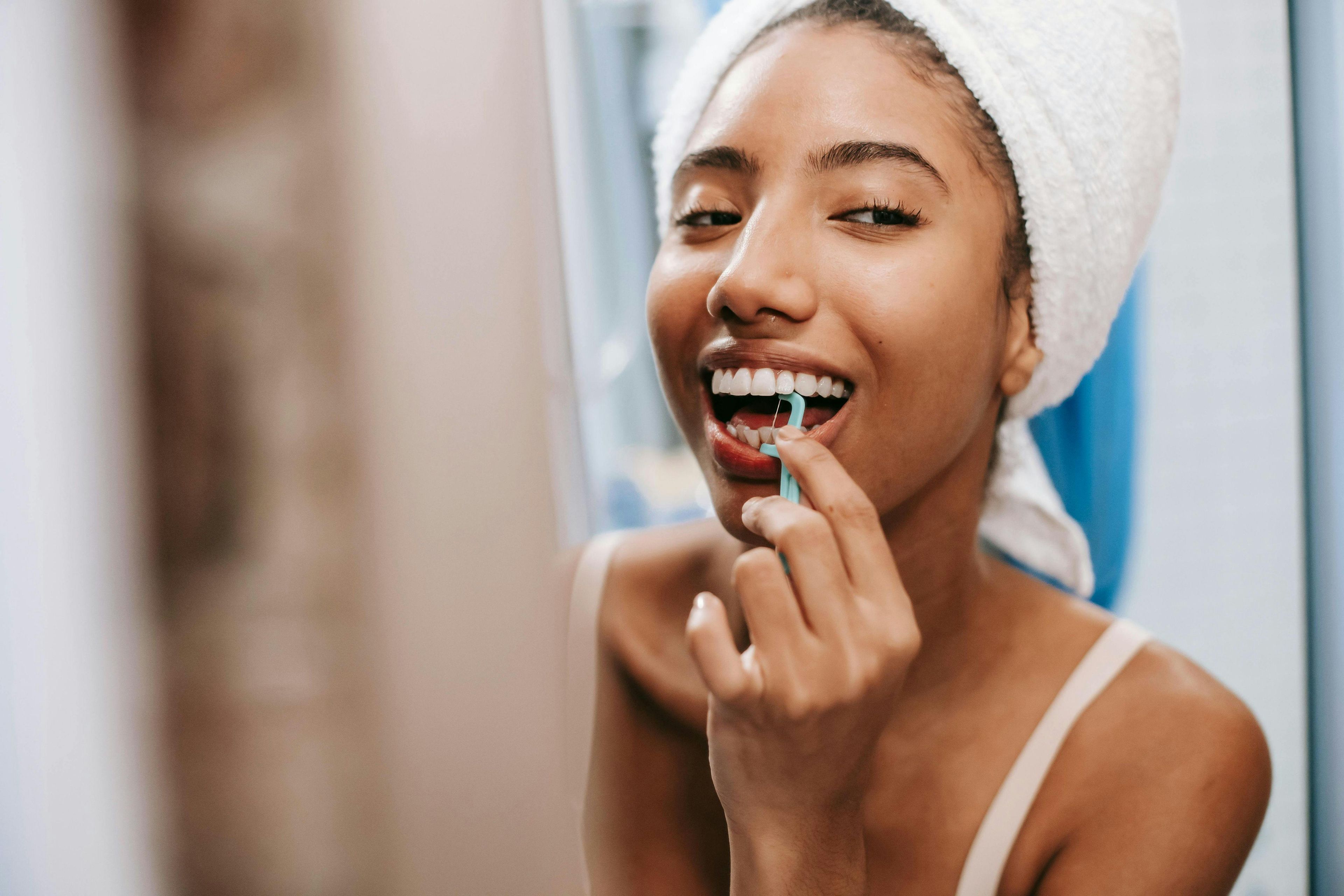 Teeth Whitening