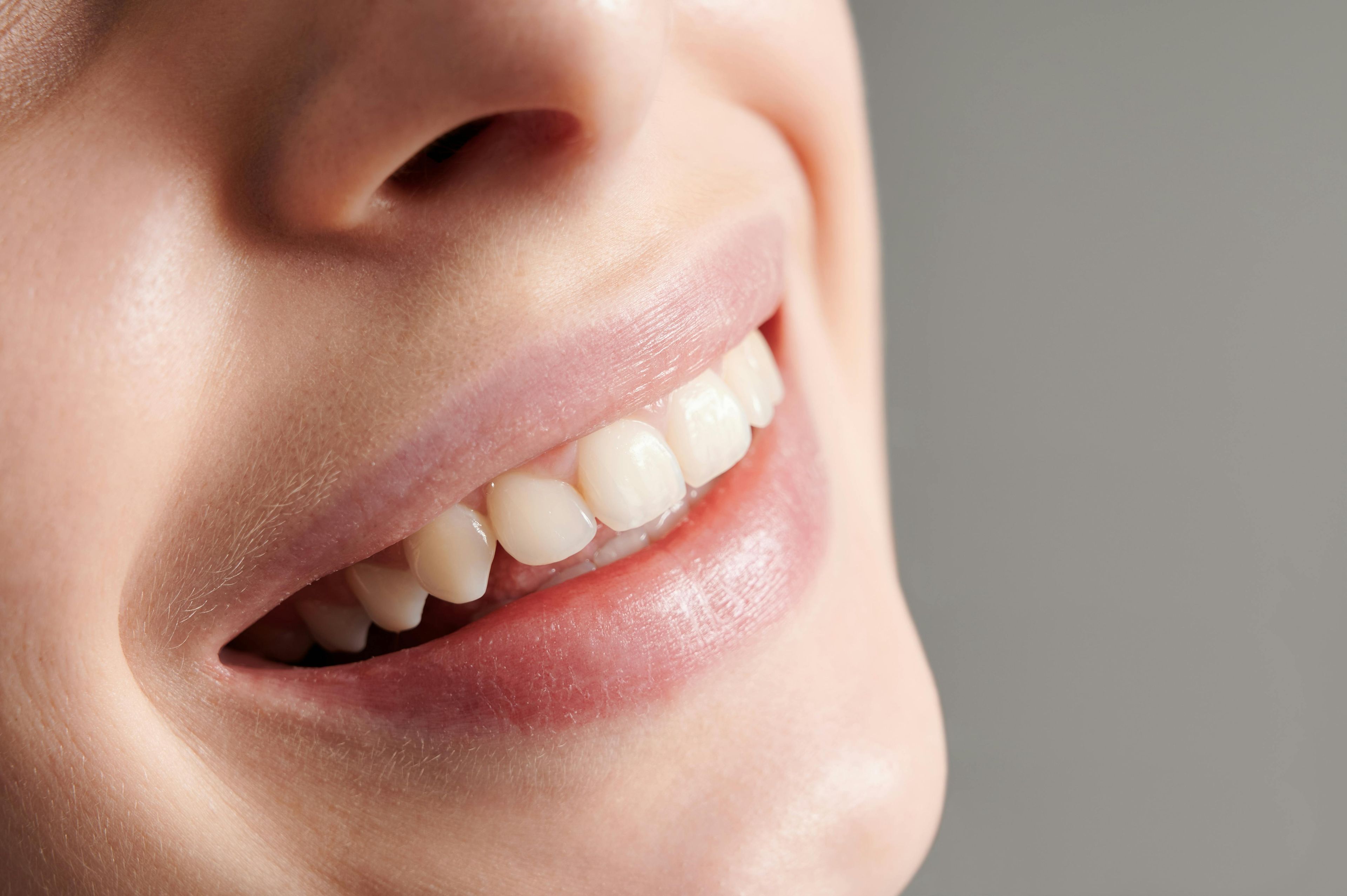
What is tooth decay and how does it develop?
Caries is a common process in which tooth substance is destroyed, affecting both the enamel and the dentine underneath. The condition is triggered by acids produced by bacteria in the mouth as they break down carbohydrates. These bacteria accumulate in particular in dental plaque, which forms mainly on the tooth surface. Without proper oral hygiene, this plaque can become an ideal breeding ground for tooth decay.
The early stage: initial caries
In the early stage, known as initial caries, white patches (white spots) can often be seen on the tooth surface, indicating demineralisation of the enamel. These white spots are often visible on the front teeth but can also appear on the back teeth. They show that the enamel is losing minerals, which is the first stage of tooth decay.
If these early carious lesions are not treated in time, the acids can penetrate the enamel and reach the softer dentine beneath. At this point, the affected tooth is at increased risk, as dentine breaks down faster than the harder enamel.
Early diagnosis of tooth decay is crucial to avoid more serious damage. Regular check-ups with your dentist or with us at the ALPINE WHITE Studio therefore play a major role. Advanced decay can lead to toothache, discolouration and, in the worst case, root canal treatment if the tooth nerve is affected.
How decay progresses and treatment at the dental practice
Once decay reaches the dentine, it progresses faster and can lead to deeper lesions in the affected tooth. At this stage, professional treatment at a dental practice is needed. The dentist can use special fillings such as composite fillings, ceramic or resin inlays and occasionally amalgam fillings to fill the cavity caused by decay and restore the tooth. The choice of filling material depends on the location and extent of the decay, aesthetic considerations and the customer's preference.
Preventive measures and the use of fluoride
Effective oral hygiene is key to preventing tooth decay. Brushing regularly with fluoride toothpaste strengthens the enamel and helps prevent plaque from forming. Fluoride has the special property of promoting remineralisation of the enamel and making it more resistant to acid-producing bacteria. In addition, applying an etching gel at the dental practice can help prepare the surface to absorb fluoride and other important minerals, further protecting healthy tooth substance.
The role of the spaces between the teeth
The spaces between the teeth, also known as approximal or interproximal areas, are particularly prone to decay because they are harder to clean. Food debris and plaque easily build up here, making dental floss or special interdental brushes necessary. This area is often overlooked when brushing, which encourages decay to form.
Treatment options
Caries infiltration
This minimally invasive technique is used in the early stages of decay. A liquid resin is applied to the affected area, which, once it hardens, stops the decay from progressing.
Resin fillings and inlays
For deep decay that has already caused more extensive damage to the tooth substance, fillings or inlays made from tooth-coloured materials such as composite or ceramic are an aesthetic and durable solution.
Root canal treatment
If decay has reached the tooth nerve, root canal treatment is often necessary to save the tooth and prevent further infection.
Costs and insurance
The cost of treating tooth decay varies depending on the severity of the condition and the treatment method chosen. Professional teeth cleaning, which helps prevent decay, is not covered by most statutory health insurers and has to be paid for privately. The cost of simple resin fillings is usually covered by statutory health insurers, but additional payments may be required for higher-quality materials such as inlays. Supplementary dental insurance can help cover these costs.
Treating decay with Caries Repair at the ALPINE WHITE Studio
At the ALPINE WHITE Studio, we offer an advanced and gentle method for treating early tooth decay – the Caries Repair treatment. This innovative technique is a pain-free, non-invasive alternative to conventional decay treatment, requiring no drilling or injections and taking only around 10 minutes.
Pain-free and effective decay treatment
The Caries Repair method at the ALPINE WHITE Studio uses a special gel that is applied directly to the affected area. This gel contains natural protein peptides and hydroxyapatite crystals, a compound of calcium and phosphate that is also found in our saliva. These ingredients promote the regeneration of the enamel and help stop early decay without the need for drilling or fillings. The treatment is particularly suitable for customers who have a fear of the dentist or sensitive gums, as it is completely pain-free.
Clinical success rate and customer satisfaction
The Caries Repair treatment at the ALPINE WHITE Studio has an impressive success rate: in 90% of cases, the progression of decay is effectively stopped, and in 37–40% of cases, the enamel is significantly regenerated. These results are supported by consistent oral hygiene and regular dental check-ups, meaning that in 93% of cases no further restorative treatment is needed.
Natural tooth preservation and modern technology
Using the latest Vista-Cam technology allows us to precisely identify and document every area of early decay. This state-of-the-art technology helps us visualise and track treatment results, giving our customers additional confidence in the treatment process. By preserving the natural tooth structure, avoiding conventional fillings and maintaining tooth-coloured aesthetics, the Caries Repair method offers our customers a forward-looking solution.
Prevention – the best route to dental health
The best way to prevent tooth decay, especially between the teeth, is thorough oral hygiene. Brushing daily with a fluoride toothpaste, using dental floss and visiting the ALPINE WHITE Studio regularly should be a matter of course. Brushing regularly with fluoride toothpaste strengthens the enamel and helps prevent plaque from forming. Fluoride has the special property of promoting remineralisation of the enamel and making it more resistant to acid-producing bacteria.
In addition, professional teeth cleaning can help remove plaque and hard deposits that are difficult for you to reach at home.

 Dental Health