Is matcha healthy?
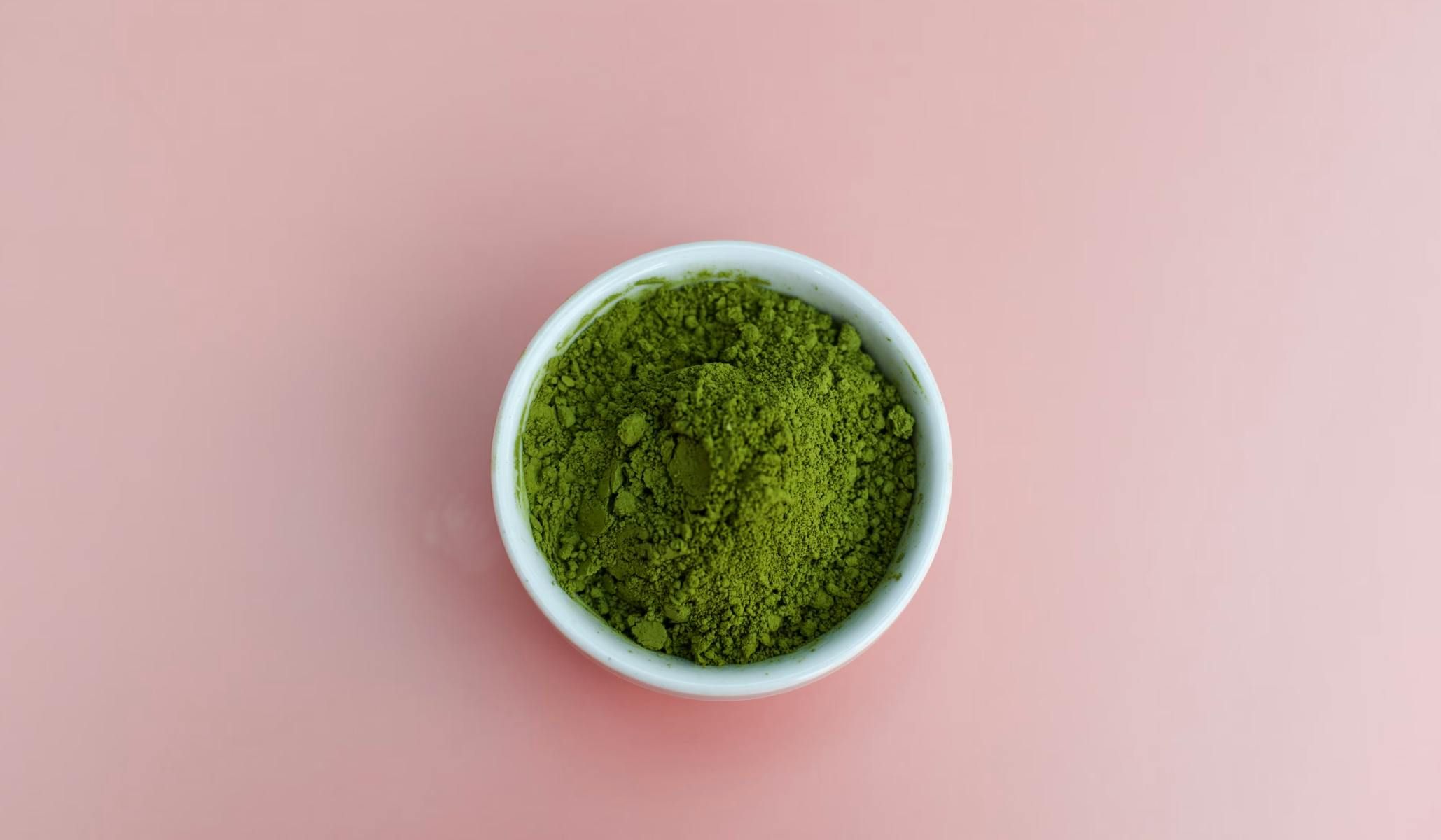
Yes, matcha is very healthy. It contains a variety of valuable nutrients, including vitamin C, and has antibacterial properties. With its high concentration of the amino acid L-theanine, matcha is the perfect choice to promote calmness and concentration without making you tired. In addition, matcha contains a lot of EGCG, a flavonoid that acts as a powerful antioxidant against free radicals that can damage the healthy cells in your body and thus promote the growth of cancer cells. EGCG inhibits the growth of various tumours, including breast, stomach and risk of oral cancer, and reduces heart disease. In addition, matcha boosts fat burning, promotes your heart health and can curb Alzheimer's disease.
How is matcha different from regular green tea?
Matcha is green tea, but unlike regular green tea, the whole plant is used to make matcha. In conventional green tea, only the leaves of the plant are used. The plants used to make matcha are planted in the shade before harvesting. This reduces the amount of chlorophyll in the plants and gives them a greener colour. In addition, matcha contains more caffeine than regular green tea. Since all parts of the plant are used to make matcha, the concentration of these nutrients is higher. Furthermore, Matcha has less caffeine than black tea and contains more catechins.
How can you enjoy Matcha?
Matcha can be enjoyed in different ways. Drinking matcha is probably the best-known preparation of the tea. Simply pour some matcha powder into hot water and you have a delicious and healthy drink. But apart from drinking green tea, Matcha can also be enjoyed in other forms. For example, you can use matcha powder to make a dressing for salads or as an ingredient in muesli, desserts or smoothies. Another trendy drink is the Matcha Latte, which allows you to enjoy your cup of green tea in a more delicious way.
How can you integrate matcha into your daily routine to maximise the positive effects?
Matcha is very easy to integrate into your daily routine. You can simply drink it as tea or enjoy it in various other forms. It can also be used in smoothies, desserts or mueslis. This is a great way to benefit from the positive effect of green tea.
Should you drink coffee or matcha?
Coffee has a caffeine content of 100 mg of caffeine per 240 ml cup. This is significantly more caffeine than the same amount of drinking tea, which has around 40 mg. A cup of matcha tea is therefore a healthy alternative to a cup of coffee.
5 benefits of green tea
- Matcha contains many valuable nutrients
- Matcha has antibacterial properties and supports your oral health
- Matcha tastes good and gives you energy
- Matcha promotes weight loss
- Matcha has anti-cancer properties


 Dental Hygiene