The role of nutrition
What you eat has a significant impact on the health of your teeth and your entire oral cavity. Our eating habits play a central role in the prevention of dental and gum disease and directly influence the quality of our smile and our general well-being.
Harmful foods for dental health
Sugary foods and drinks are the main enemies of healthy teeth, as sugar is a direct food source for bacteria in the mouth that form plaque. These bacteria release acids that attack tooth enamel and can lead to tooth decay. Acidic foods and drinks such as citrus fruits, soft drinks and wine can also erode tooth enamel and make teeth more susceptible to wear and tear.
Nutrient-rich foods for a healthy mouth
Conversely, a balanced diet rich in vitamins and minerals can strengthen your enamel and keep your gums healthy. Calcium-rich foods such as milk, cheese and leafy greens help to strengthen the bone that supports your teeth. Vitamin C is crucial for gum health as it helps to strengthen the tissue and prevent inflammation. Vitamin D also plays an important role as it promotes calcium absorption, directly supporting dental health.
Holistic approach to oral health through nutrition
A holistic approach to oral health also includes avoiding snacks between meals to reduce the frequency of acid attacks on your teeth. Instead, you should plan meals that neutralise the pH in your mouth and stimulate saliva production, such as chewing sugar-free gum after meals.
Oral health throughout the life course
Oral health throughout the life course is a crucial aspect that deserves special attention. From the first milk teeth to old age, oral care plays a key role in a healthy life. For children, it is particularly important to start good dental care at an early age. This lays the foundation for a lifetime of healthy teeth and prevents the development of dental problems that are difficult to correct later on.
The foundation for healthy habits should be laid at a young age so that children learn to care for their teeth and oral mucosa properly. This not only prevents poor oral health, but also promotes self-confidence through a radiant smile. Early dental education in Switzerland and Germany emphasises the importance of regular oral health checks to identify and treat problems early.
As we get older, oral health naturally changes. As people age, they are often more susceptible to tooth loss, periodontal disease, toothache and dry mouth. These changes can be effectively managed through regular dental check-ups and adapted care methods. The use of specific dental care products tailored to the needs of older adults can help to protect the natural oral flora and keep the oral mucosa healthy.
Unfortunately, some of these problems result in older people needing dentures or other dental prostheses. However, with proper care and regular dental check-ups, many of these challenges can be avoided or delayed. At our practice, we offer specialised treatments aimed at maintaining the health of the periodontium and improving the quality of life of our patients.
Our aim at ALPINE WHITE is to support people of all ages and help them achieve better oral health. With professional advice, state-of-the-art dentistry and customised care plans, we ensure that every customer receives the best possible support in their dental care. In this way, we help our customers to benefit from good oral health for a lifetime.
Frequently asked questions (FAQ)
Why is fluoride in toothpaste important?
Fluoride helps to strengthen tooth enamel and prevent tooth decay. It is a natural protection for your teeth. Use our Whitening Toothpastes for this.
What can I do against bad breath?
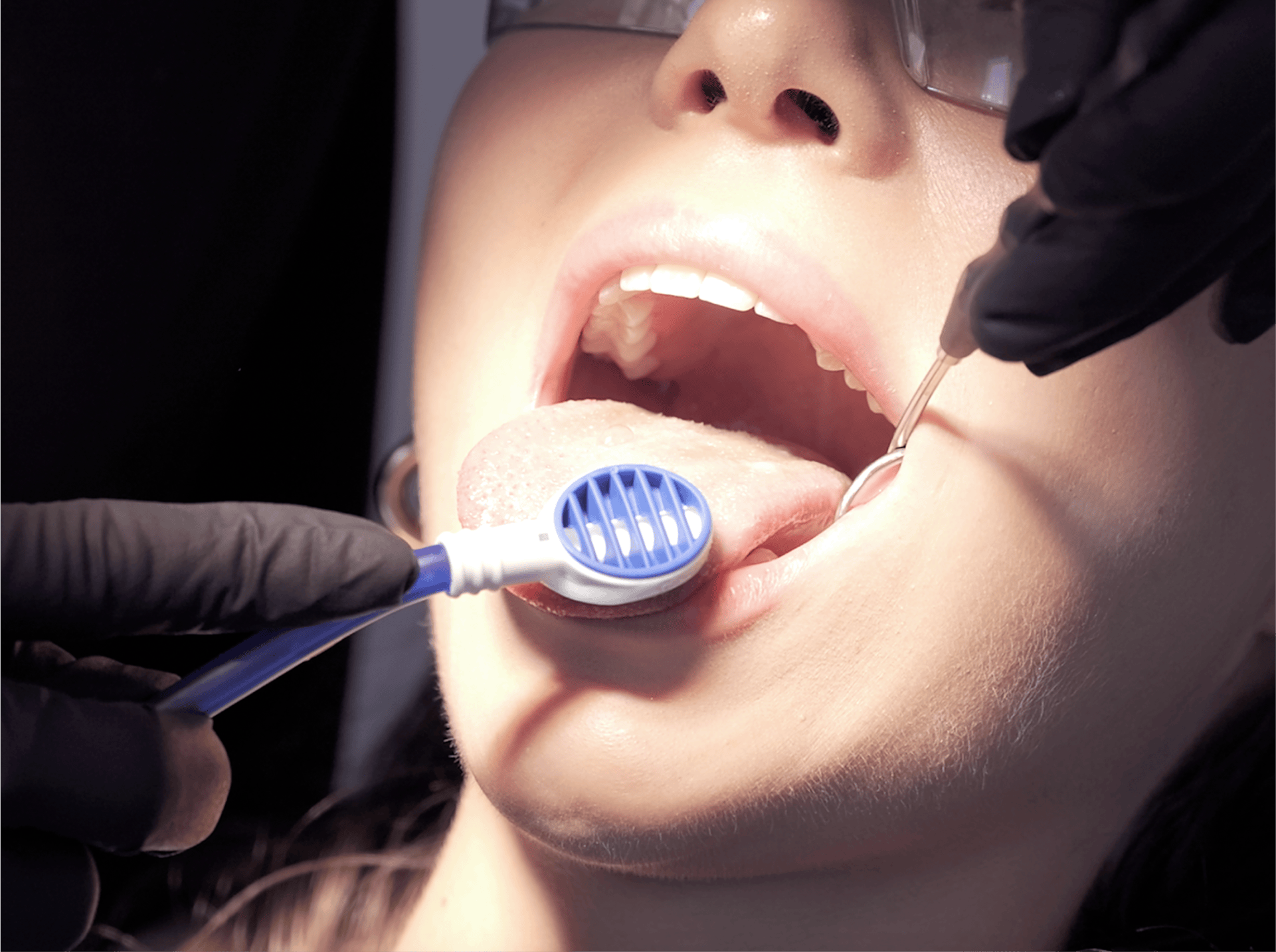
Brushing your teeth regularly, using dental floss and using a mouthwash can effectively combat bad breath. You can also come to us at ALPINE WHITE Studio for a tongue cleaning.
How often should I change my toothbrush?
You should change your toothbrush every three to four months, or sooner if the bristles are worn out.


 Dental Hygiene