Back to overview
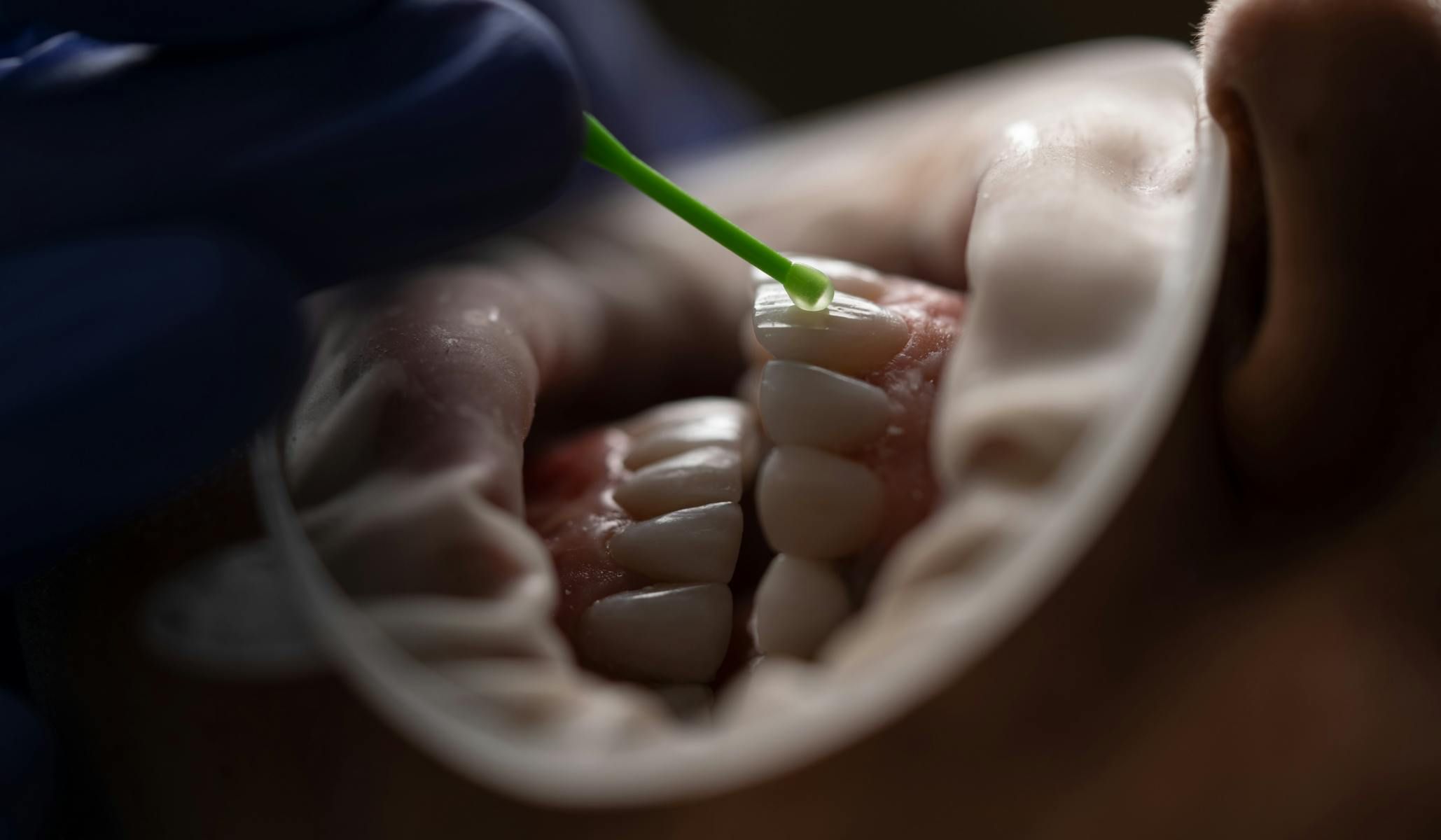
Green applicator treating an upper front tooth, blue gloves in the background

Our Tooth Enamel

Dental Health16 Feb 20235 min read

We all know that we should brush our teeth at least twice a day, but have you ever wondered why? When you brush your teeth, you are essentially scrubbing away the plaque and tartar that have built up on your enamel. But what is enamel? Enamel is the hardest tissue in the human body and acts as a shield for our teeth, protecting them from the damaging effects of chewing and biting. However, over time, this protective layer can break down and decay. In this blog post, you'll learn how to build up your enamel and why it's important to keep your teeth healthy.


Andrea Seraina

Andrea Seraina

Dental Content Specialist

Anatomy and structure

Tooth enamel is the hardest tissue in the human body and serves as a protective shield for our teeth. It is up to 2.5 millimetres thick and covers the entire surface of the tooth crown and the dentin. However, it does not cover the underlying root.

Enamel is made up of hydroxyapatite crystals, which are composed of calcium and phosphorus. This combination makes the enamel strong and at the same time flexible enough to withstand the forces of chewing and biting. It also contains proteins that bind the minerals together and make them even stronger. The surface layer of enamel is called the organic pellicle, which protects against acid erosion from food particles and bacteria. Enamel is also riddled with tiny pores or tubes that make sure nutrients get inside your teeth when you eat or drink something nutritious.

How is enamel produced?

Tooth enamel is produced by cells called ameloblasts. These cells secrete a special type of mineral known as hydroxyapatite, which helps form the hard outer layer of the tooth. As we get older, our ability to produce these minerals decreases, which can lead to weakened tooth enamel. This makes it more susceptible to damage from acidic foods and drinks or teeth grinding, which can lead to tooth decay and other dental problems. To prevent this, it is important that we replenish our enamel through proper oral hygiene habits such as brushing twice a day with fluoride toothpaste and flossing regularly. In addition, a balanced diet of calcium-rich foods such as dairy products, leafy vegetables, legumes and nuts can help strengthen tooth enamel over time.

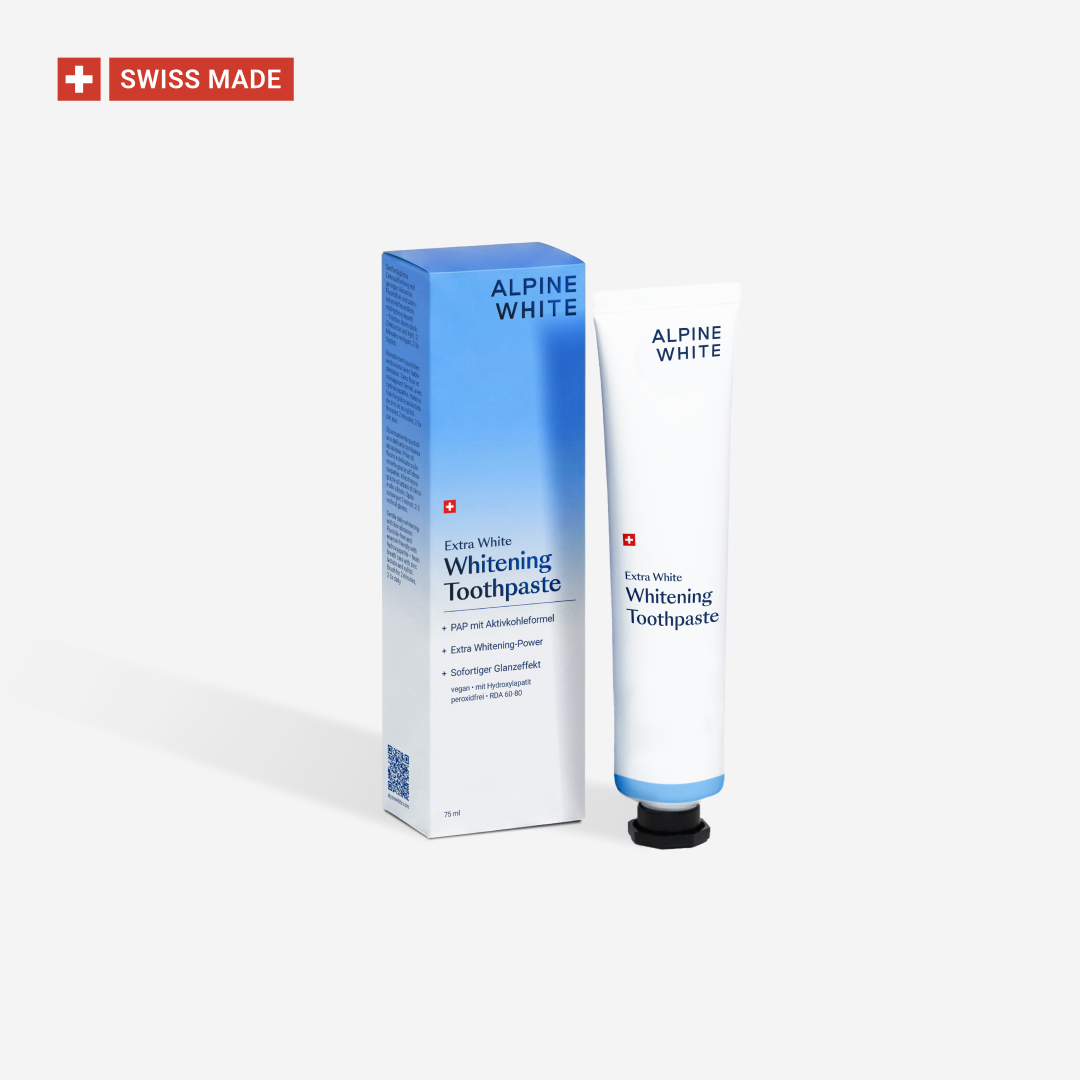
Folding box and tube ALPINE WHITE Extra White Whitening Toothpaste, “Swiss Made” note
4.6(117)

Whitening Toothpaste Extra White

CHF 19.90

75 ml • CHF 26.53

Learn more

The structure of enamel and how it protects your teeth

Tooth enamel may be challenging, but it's also pretty delicate! It's packed with proteins, minerals and even salts that make up its structure and ensure it stands up to daily wear and tear. All these elements are important for the functioning of this layer, which acts as a protective shield for our teeth, keeping them from decay and cavities. Although it covers our teeth densely and with remarkable uniformity, tooth enamel is considered a kind of tissue because its well-connected composition is so finely balanced. It is to this tough yet delicate substance that we owe our "pearly whites"!

Tooth enamel erosion

Acids cause tooth erosion by wearing down the enamel on teeth. Low saliva production or a dry mouth can both contribute to enamel degradation (xerostomia). Saliva prevents tooth decay by clearing out the bacteria and food particles in your mouth. Moreover, it reduces acids to a manageable level. Heartburn or acid reflux disease (GERD) can also lead to tooth erosion. They increase stomach acid and can thus attack the enamel in the mouth.

Foods that lead to enamel deterioration

We all know that a healthy diet is important for strong teeth and gums, but did you know that there are certain foods that can attack your tooth enamel? Foods such as citrus fruits, fruit juices, excessively sugary foods and snacks or soft drinks are known to break down tooth enamel. Acidic products can attack your enamel, leading to tooth decay and tooth sensitivity in the future. If you do indulge in these types of foods and drinks, make sure you rinse with water afterwards or drink plain water while eating to reduce the acidity in your mouth. By taking a few simple steps such as reducing sugar and coffee, and avoiding sweets, soda, wine and other acidic foods, you can keep your enamel healthy!

How to tell if your enamel is weak

The best way to tell if your enamel is weakened is to pay attention to your teeth and the signals they give you. The first sign of weakened enamel is usually sensitivity - for example when you eat hot or cold foods or drink something cold. If your teeth feel very sensitive, this could be an indication that your enamel is weakened. One of the main reasons for tooth sensitivity and, subsequently, dental damage, is enamel erosion. Your gums will be more vulnerable to gum disease if this happens.

Another way to tell is by the discolouration of your teeth: if your teeth are discoloured, your enamel may be damaged. If you can see the individual grooves on your teeth, it probably means that too much of the surface has been worn away. If any of these points apply, you can come to our Studio for an Oral Health Checkup!
Smiling person with both fists at chin, eyes narrowed, against a blue background

Oral Health Check

CHF 135

Standard • + Dental Hygiene

The right routine is essential for your well-being. We check your teeth and oral cavity and put together a routine tailored to you.

  • Comprehensive oral health check with intraoral camera
  • Mucosa, gum and caries check
  • Creation of an individual oral care routine
Book appointment

Can plaque lead to eroding enamel?

A sticky film known as plaque is composed of bacteria, food particles, saliva, and other elements. Plaque builds up in the spaces between your teeth and enters the molars' minuscule fissures or pits. Moreover, it reaches the gum line, right adjacent to cavity fillings, and the area where the teeth and gums meet.

Food starches can occasionally be converted into acids by the bacteria in plaque. As this occurs, the good minerals in the tooth enamel begin to be eaten away by the acids in plaque. As a result, the enamel erodes and develops pits. The enamel pits enlarge and grow larger with time.

What can you do if your enamel is gone?

When your enamel is destroyed, it may seem like there is no hope of restoring your teeth. In truth, however, there are some steps you can take to restore your oral health. First, it's important to visit a Studio as soon as possible to determine the best course of action. Our dental hygienists can recommend fluoride treatments or special toothpastes and mouthwashes designed specifically for people with weakened enamel. You should also limit your intake of sugary and acidic foods, as these can erode the remnants of your enamel.

Smiling man with seal “Recognised by health insurers, supplementary insurance”

Dental Hygiene

CHF 195

Standard • + Oral Health Check

Keep your teeth healthy with our gentle professional teeth cleaning, done using the latest instruments.

  • Personalised dental hygiene
  • Gum check & caries control
  • Painless cleaning with AIRFLOW
Book appointment

Proper dental hygiene to prevent enamel loss

Proper brushing techniques and good dental care will not only prevent toothache but will also help preserve your enamel. Make sure to take care of your dental health and therefore brush your teeth regularly and have your teeth professionally cleaned. When brushing, make sure you use a toothpaste with fluoride. This is because fluoride helps to remineralise and strengthen tooth enamel. You can also use a fluoride gel. You should also avoid using a hard toothbrush or scrubbing your teeth vigorously. Learn more about proper tooth-brushing techniques in this blog post. Flossing regularly will help you remove food particles from between your teeth that you can't reach with a toothbrush. Drinking plenty of water helps flush out bacteria and other bugs that don't belong in your mouth.

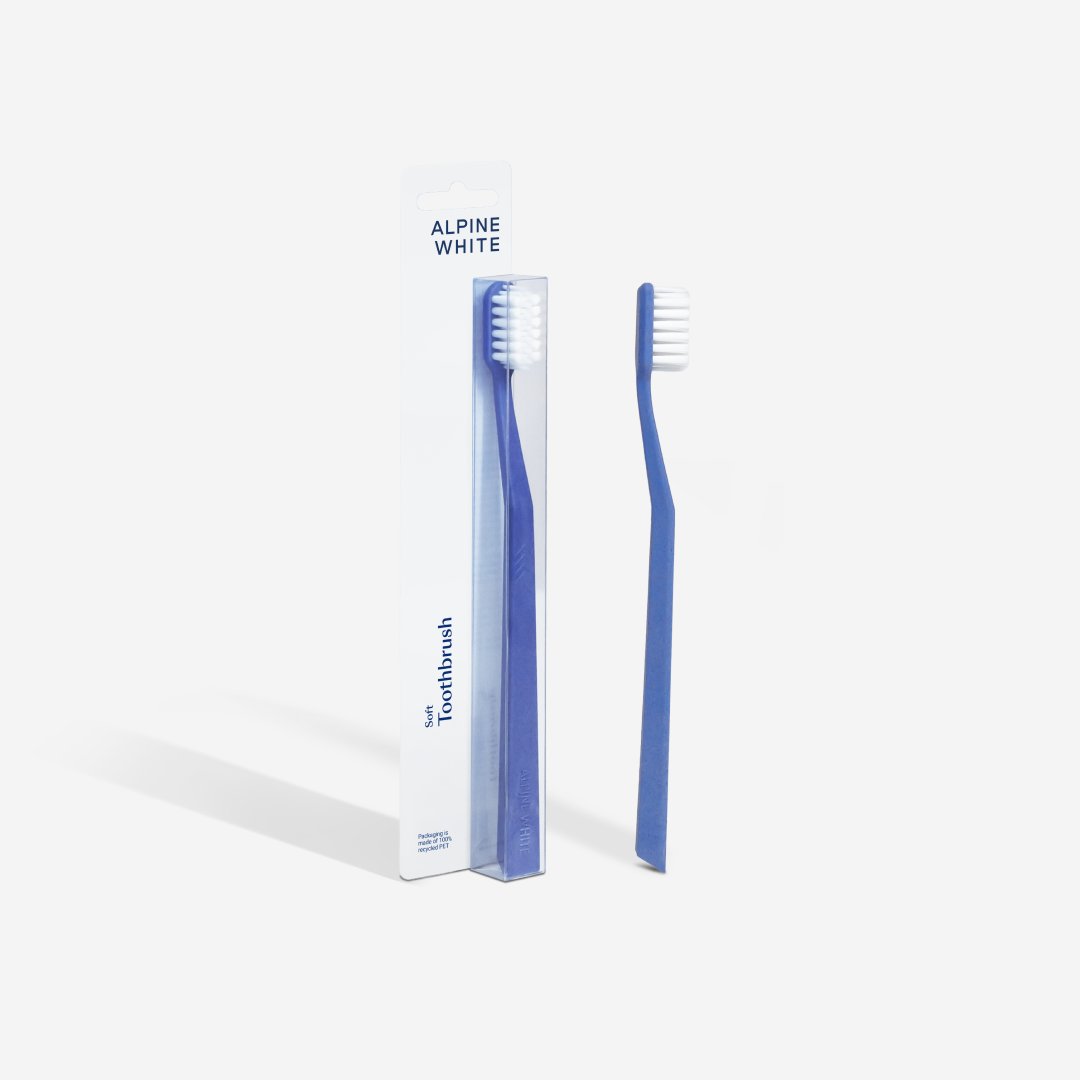
ALPINE WHITE Soft Toothbrush in blue next to its packaging
4.6(43)

Toothbrush

CHF 4.90

1 pc • CHF 4.90

Learn more

This might also interest you

Laughing man with curly hair against a white backgroundDental Health

What you need to know about teeth grinding

Have you ever woken up with an aching jaw and realized that you’ve been grinding your teeth while sleeping? If so, you are not alone. Teeth grinding, or bruxism is a surprisingly common condition. Fortunately, there are several steps that can be taken to reduce the effects of teeth grinding. Let’s take a look at what causes teeth grinding and how to treat it effectively.

Laughing woman with closed eyes and hat in warm evening lightDental Health

What causes a dry mouth?

A dry mouth also called xerostomia is a common condition that can have many causes. But there are things you can do to relieve the symptoms of dry mouth. In this blog post, we'll look at possible causes and give you tips on how to relieve your symptoms.

Carrots, oranges, ginger, lemon and chilli beside a bottle of juice on woodNutrition & Lifestyle

How to keep your teeth healthy: Foods to eat and foods to avoid

You brush and floss your teeth every day, but are you doing everything you can to keep your mouth healthy? Not only is brushing important for your oral health, but healthy eating is also an important factor - What we eat and drink affects the overall health of our bodies, including our teeth and gums, in both the short and long term. In this blog post, we'll introduce you to important foods you should eat to maintain healthy teeth and foods you should avoid.