 Dental Health
What is caries?
You may have heard of dental caries, but do you really know what it is? In this blog post, you'll learn everything you need to know about caries, including its causes and prevention. Read on to find out more!
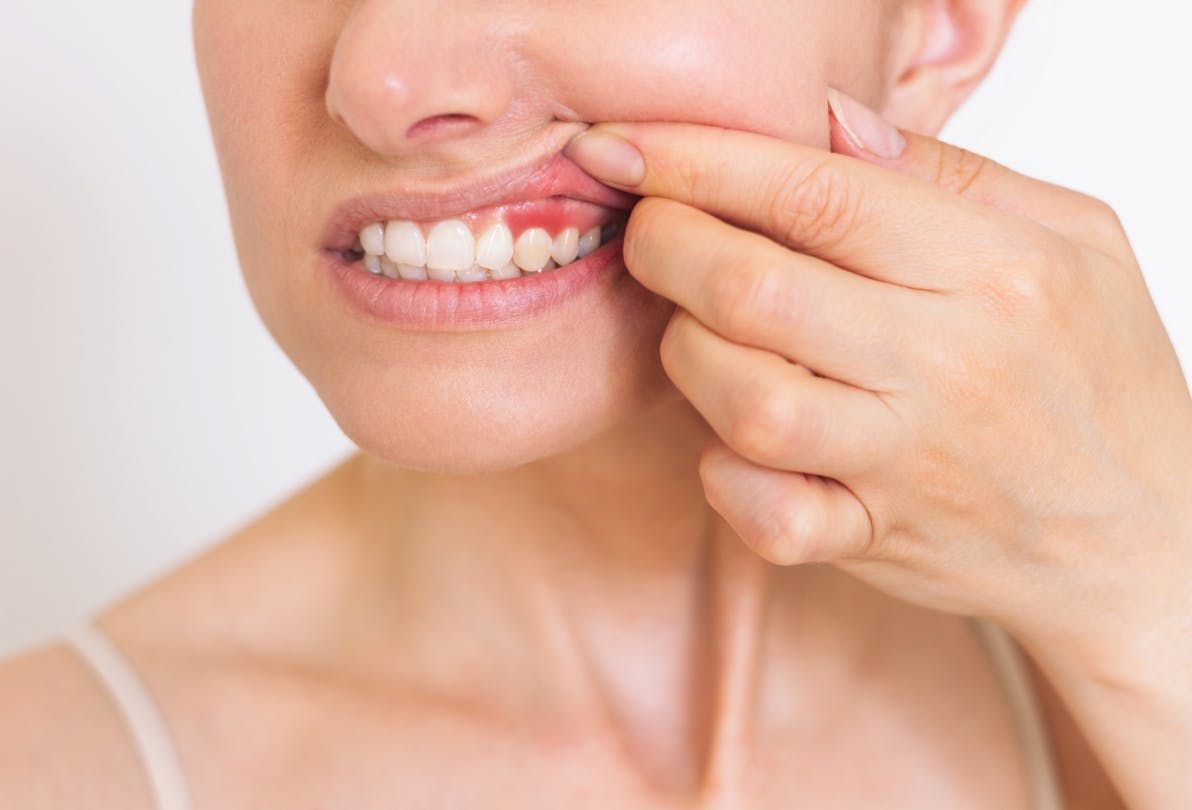
Periodontitis is a serious disease of the periodontium that affects the whole mouth. It can lead to pain, swelling, loose teeth and even tooth loss if left untreated. Fortunately, there are treatments that can help fight periodontal disease and restore dental health. In this article, we explain exactly what the disease is and how you can best prevent it.

Andrea Seraina
Dental Content Specialist
Periodontitis, also called periodontosis, is an inflammatory disease of the entire periodontium (periodontium). The disease causes the teeth to lose their hold and the tissue that anchors the teeth to the jawbone is attacked by the inflammation. If not treated properly, this can lead to tooth loss and bone loss in the worst case.
Periodontitis occurs when bacteria accumulate in plaque on the tooth surfaces and gum line. This plaque may contain food particles and other substances that mix with saliva and form a sticky film on the teeth and gums. This results in gum inflammation, which is called gingivitis. However, this can be eliminated by good dental hygiene.
However, if the plaque is not removed, it hardens and tartar develops. The entire periodontium is then attacked by the bacteria and the tartar also forms under the gum line. This effect is the main cause of periodontitis.
There are also other causes besides plaque for the development of gingivitis, such as:
Factors that may contribute to the development of periodontitis include smoking, diabetes mellitus, poor oral hygiene, certain medications such as anti-epileptic drugs or calcium channel blockers for cardiovascular disease, stress, hormonal changes such as pregnancy or menopause, teeth grinding (bruxism), genetic predisposition and poor diet.
Smoking increases your risk of developing periodontitis because it interferes with oral hygiene and suppresses the flow of saliva, which helps prevent plaque from forming.
People with diabetes mellitus are more likely to get periodontitis because they are more susceptible to infection and their ability to fight off bacteria is reduced.
Poor oral hygiene also plays an important role, as it causes more bacteria to build up in your mouth, which can lead to inflammation of the periodontium and tissue destruction.
Certain medications can also weaken your body's natural defences against bacterial infections, while hormonal changes such as menopause cause hormonal fluctuations that can prevent normal healing processes in the gums. Teeth grinding (bruxism) can contribute to periodontal disease by increasing pressure on your teeth and gums, which irritates them even more over time.
Crowns and fillings can cause dry mouth, contributing to plaque build-up and bacteria becoming attached to the necks of your teeth.
Genetics can also be linked to the development of periodontal disease, as certain genes can increase sensitivity to certain bacteria or affect the way our bodies react to them. A poor diet has also been linked to gum disease as it impairs the immune system's ability to fight bacteria, leading to a greater accumulation of bacteria in the mouth.
The symptoms of periodontal disease can range from mild to severe but often go unnoticed in the early stages. Common symptoms of periodontal disease include red, swollen or tender gums, your gums bleeding after cleaning or flossing, receding gums and persistent bad breath.
Severe periodontitis can cause pockets to form between the teeth and fistulas (small tunnels) to form between the gums and the jawbone, leading to infection and bone loss. In addition, there may be swelling in the face, which indicates that the infection is spreading. If periodontitis progresses over time, it can lead to irreversible tissue damage and even tooth loss.
Here is a brief overview of the symptoms:
To determine if you have periodontitis, look for these signs. If you experience the symptoms described above, you should visit your dentist or our ALPINE WHITE Studio for an examination. This will help determine if you have periodontitis.
If the disease is in an advanced stage, the dentist's office or ALPINE WHITE Studio can refer you to an expert in periodontology to discuss the necessary treatment steps.

CHF 195
Standard • + Oral Health Check
Keep your teeth healthy with our gentle professional teeth cleaning, done using the latest instruments.
The consequences of periodontitis can be severe and far-reaching. If left untreated, it can lead to irreversible tissue damage and tooth loss, as well as an increased risk of infection. Periodontitis is also associated with a higher incidence of cardiovascular disease, stroke and certain respiratory diseases.
There is also a link between periodontitis and other systemic diseases such as diabetes mellitus, rheumatoid arthritis, metabolic syndrome and dementia.
In addition, periodontitis is associated with premature births in pregnant women. This is because bacteria from the mouth enter the bloodstream and travel to the uterus, where they cause an infection or inflammation that leads to early labour.
Periodontal disease prevention is possible and starts with healthy teeth and gums. Optimal tooth maintenance includes brushing twice a day for at least two minutes, as well as flossing daily to clear interdental spaces of food debris and bacteria. An antibacterial mouthwash can help prevent plaque from building up on the teeth.
Regular professional dental cleaning is also important to remove plaque and tartar that brushing and flossing cannot remove. You can have your dental hygiene done at our ALPINE WHITE Studio to ensure good oral hygiene.
Eat a healthy diet and avoid sugary foods and drinks as these can encourage the formation of plaque and tartar.
Quitting smoking is another way to reduce your risk of periodontal disease, as smoking can increase inflammation of the gums, leading to gum recession. Smoking also slows down the healing process after treatment.
Regular oral health checkups and professional dental cleanings should also be part of your prevention plan, as early detection can make all the difference in avoiding serious complications from periodontitis. Our dental experts at the ALPINE WHITE Studio can provide you with supportive advice on various dental issues.

CHF 135
Standard • + Dental Hygiene
The right routine is essential for your well-being. We check your teeth and oral cavity and put together a routine tailored to you.
Treatment for periodontitis usually involves a combination of approaches: Professional dental cleaning, scaling and root planing (a cleaning that removes plaque and tartar below the deep gum pockets), antibiotic treatment and other therapies such as laser therapy or soft tissue grafting.
Dental hygiene can help remove plaque and tartar above and below the gum pockets, reducing inflammation and improving gum health.
Scaling and root planing are usually performed under local anaesthetic to remove deposits of plaque and tartar that have built up firmly below the gum pockets.
Antibiotics may also be used to eliminate bacteria in the mouth, and laser therapy can stimulate bone growth. Soft tissue grafts can be used to replace tissue that has been lost due to periodontal disease.
During the course of treatment, it is also necessary to decide which teeth cannot be saved. For example, if the bone around a tooth is already so badly damaged that it can no longer provide adequate support, the tooth must be extracted.
In the case of advanced periodontitis, surgery may be necessary to save the affected teeth and gums.
The treatment of periodontitis starts with education about proper dental care. Patients are shown how important good oral hygiene is to prevent gingivitis. The dental experts teach the correct toothbrushing techniques, the best way to use toothbrushes and dental floss, and other tools such as interdental brushes.
Then, in a professional dental cleaning, plaque and tartar are removed above and below the gum pockets. This is often followed by root planning. This involves using a scaler to remove plaque and tartar from under the gums, and a plane to smooth rough areas on the roots of the teeth and root surfaces. In some cases, antibiotics are also prescribed to fight the bacteria in the mouth.
The next step is often laser therapy or soft tissue grafting, depending on the damage to the teeth and gums. Laser therapy focuses light energy on the problem areas to stimulate bone growth and reduce inflammation, while soft tissue grafts can replace lost gum tissue.
After treatment, Supportive Periodontal Therapy is used to ensure long-term treatment success. During this therapy, the periodontium is continuously monitored and plaque is removed again if necessary.
After periodontal treatment, it is important to look for improved gum health and a decrease in inflammation. You will notice that your gums are less sensitive, that the colour of the gums looks healthier and that they fit more firmly around your teeth. Signs of bleeding when brushing or flossing should decrease.
To ensure that periodontitis does not return, it is important that you maintain good oral hygiene and go for regular check-ups.
In addition, regular dental hygiene can help you detect other potential problems such as tooth decay so that early intervention can take place.
Dental HealthYou may have heard of dental caries, but do you really know what it is? In this blog post, you'll learn everything you need to know about caries, including its causes and prevention. Read on to find out more!
 Teeth Whitening
A bright smile is a wonderful way to radiate confidence and leave positive impressions. But if you smoke, this can cause stubborn discolouration on your teeth and tarnish your smile. However, whitening can quickly lighten the colour of your teeth. Learn in this blog post what you should pay attention to if you smoke and want whiter teeth.
 Nutrition & Lifestyle
Have you ever wondered how everyday life's pressure and stress hormones affect your oral health issues? Whether we're nibbling too hard on a pretzel or clenching our teeth in our sleep, our teeth are constantly under physical stress. But what exactly happens in our mouths when it comes to dealing with this constant stress? Read on to find out more! We'll talk about how healthy oral habits can help keep your teeth strong despite the extra wear and tear and give you tips on how to reduce the daily damage caused by stress. Whether you want to take better care of your teeth or just need a refresher course in proper dental hygiene, you'll find everything you need in this blog post!