Growth of the Global Teeth Whitening Market
The global market for teeth whitening products has experienced remarkable growth over the past five years. This trend not only reflects the increasing desire for aesthetic improvement but also a growing willingness of consumers to invest in their appearance. According to a study by Fortune Business Insights, the market value rose from approximately 6.14 billion USD in 2019 to an estimated 8.21 billion USD in 2023, representing a compound annual growth rate (CAGR) of about 6.1%.
This growth can be attributed to several factors. Firstly, there is a rising demand for cosmetic dental treatments as awareness of the importance of a bright smile increases in society. Another driver of this growth is the increasing availability of products suitable for home use, making teeth whitening accessible to a broader audience. Moreover, innovations in teeth whitening technologies, such as the development of LED light devices and advanced teeth whitening gels, have further propelled the market.
Looking ahead, the market is expected to continue to expand. This could be supported by ongoing urbanisation in emerging markets, rising purchasing power in these regions, and the growing popularity of minimally invasive cosmetic treatments. It is therefore likely that teeth whitening will remain a central element of aesthetic dentistry, continuing to gain significance.
The Role of Social Media
Social media has played a crucial role in popularising teeth whitening in recent years. Platforms like Instagram, TikTok, and YouTube have enabled influencers and celebrities to showcase their bright white teeth to millions of viewers. This has not only sparked a desire for similar results among consumers but also raised awareness of the various methods and products for teeth whitening.
According to a survey by Statista, over 35% of respondents in 2022 reported that they became aware of teeth whitening through social media. This figure underscores the significant impact these platforms have on purchasing decisions. Especially younger audiences are heavily influenced by the beauty ideals propagated on social media and are willing to invest in products that offer a comparable appearance.
The influence of social media, however, extends beyond mere product promotion. They also provide a platform for consumers to share their experiences with teeth whitening, be it through reviews, before-and-after photos, or tutorials. These 'peer reviews' contribute significantly to the credibility and spread of the trend. Companies active on these platforms can benefit from this dynamic by using authentic content and influencer marketing strategies to promote their products.


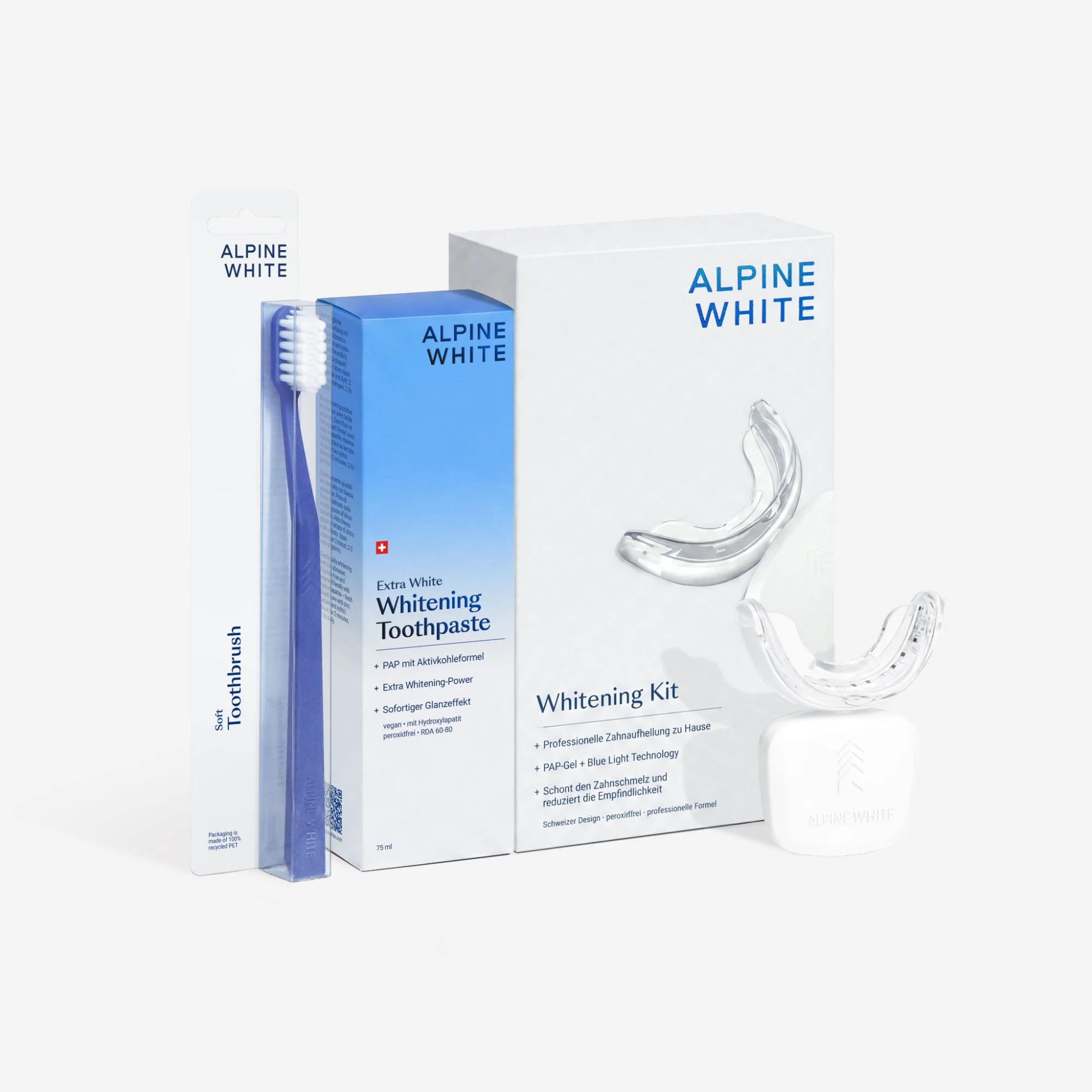

 Teeth Whitening