When is it time for a new toothbrush?
Dentists agree that you should change your toothbrush regularly every three to four months. But why exactly this period? The answer lies in the wear and tear of the bristles. When the bristles start to bend or look worn, they lose their effectiveness in cleaning your teeth. They can no longer reach into the spaces between the teeth and effectively remove plaque. In such cases, it is definitely time for a new brush.
It is also important to change your toothbrush after an illness such as a cold or mouth infection to avoid another outbreak.
Manual toothbrush vs. electric toothbrush
The question of whether a manual toothbrush or an electric toothbrush is better is often asked. The truth is that both have their advantages and disadvantages. Electric toothbrushes can be more efficient and are often easier to use, especially for people with limited mobility. Manual toothbrushes, however, are less expensive and more readily available.
Regardless of your choice, it is important to know that both types should be changed regularly. For electric toothbrushes, this usually refers to the brush head, which is just as susceptible to wear as the bristles of a manual toothbrush.
How do you care for your toothbrush properly?
- Rinse thoroughly after use: Rinse the toothbrush thoroughly under running water after each use.
- Use hot water: Once a week, you can also rinse the toothbrush under hot water to kill germs and bacteria.
- Clean the toothbrush cup: Don't forget to clean the toothbrush cup regularly too.
- Dental floss and mouthwash: These complement dental care and help to fight interdental spaces and bad breath.
What happens if you don't change your toothbrush?
Taking regular care of your teeth is an important part of overall health. But what happens if you skip this small but crucial step of changing your toothbrush regularly? The consequences can be more far-reaching than you might think. From the return of unpleasant infections to compromising your brushing technique, an old toothbrush can cause a number of problems that can negatively affect your oral hygiene and ultimately your overall health. In the following sections, we will look at the specific risks and consequences associated with using a worn toothbrush.
Renewed outbreak of infections
An old, worn toothbrush can lead to the recurrence of infections such as gingivitis and periodontitis. The bristles of a worn toothbrush can trap bacteria and viruses that have already been removed from your mouth. If you continue to use the same toothbrush, you risk reintroducing these harmful microorganisms into your mouth. This can not only lead to gum problems but also increase the risk of other oral infections.
Poor plastering technique
A worn toothbrush can significantly affect your brushing technique. The bent and worn bristles are less effective at removing plaque and food debris. As a result, you may need to apply more pressure, which can damage your gums. In addition, the worn bristles cannot reach the interdental spaces effectively, which encourages plaque build-up. This makes it harder to clean your teeth and can lead to serious dental problems in the long run.
Sustainable alternatives
In this day and age, sustainability is an important issue, and that also applies to dental care. If you're looking for an eco-friendly alternative, bamboo toothbrushes are an excellent choice. These toothbrushes are made from sustainably grown bamboo and are biodegradable. This means that they can be composted after use instead of ending up in a landfill.
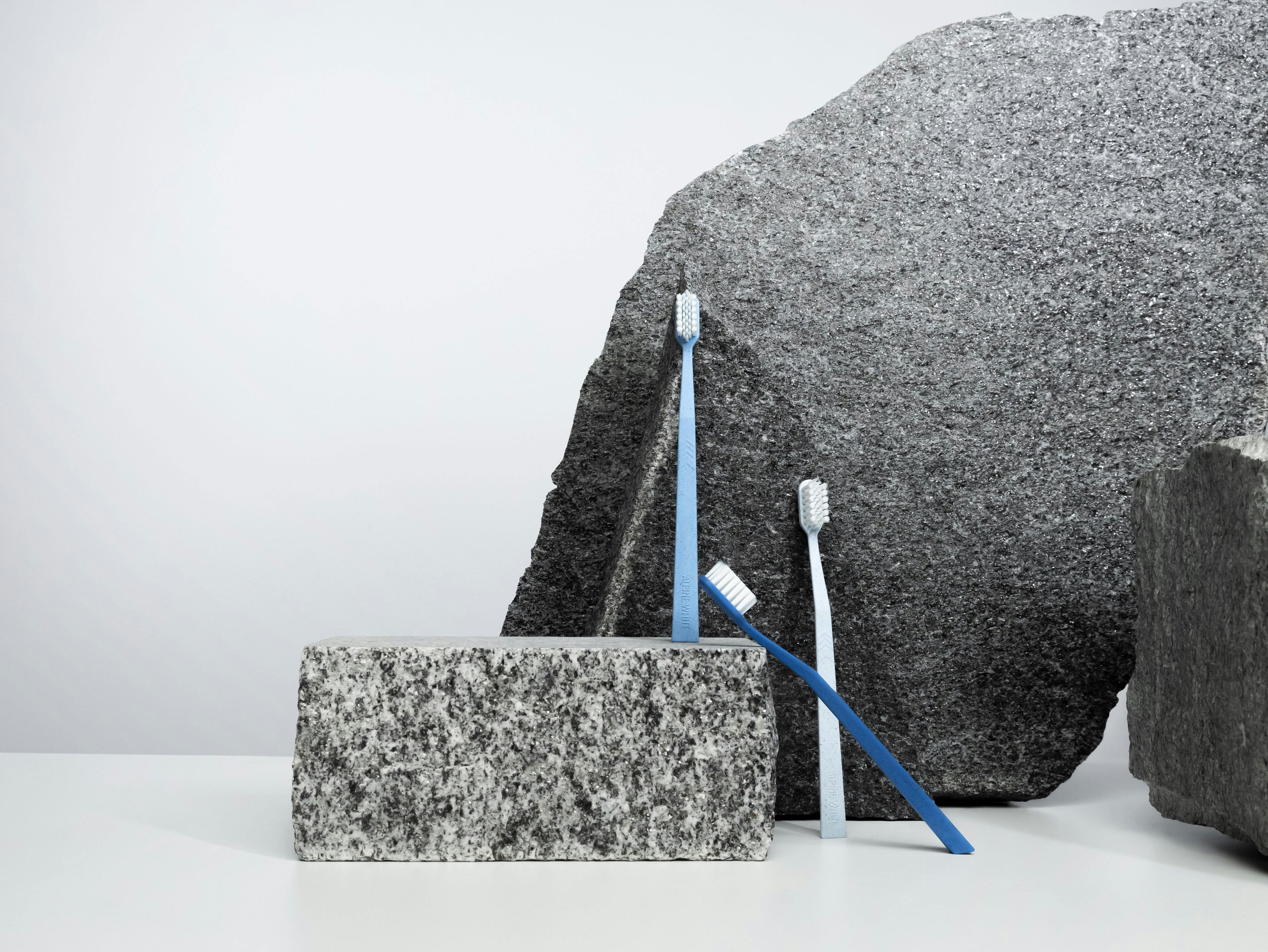
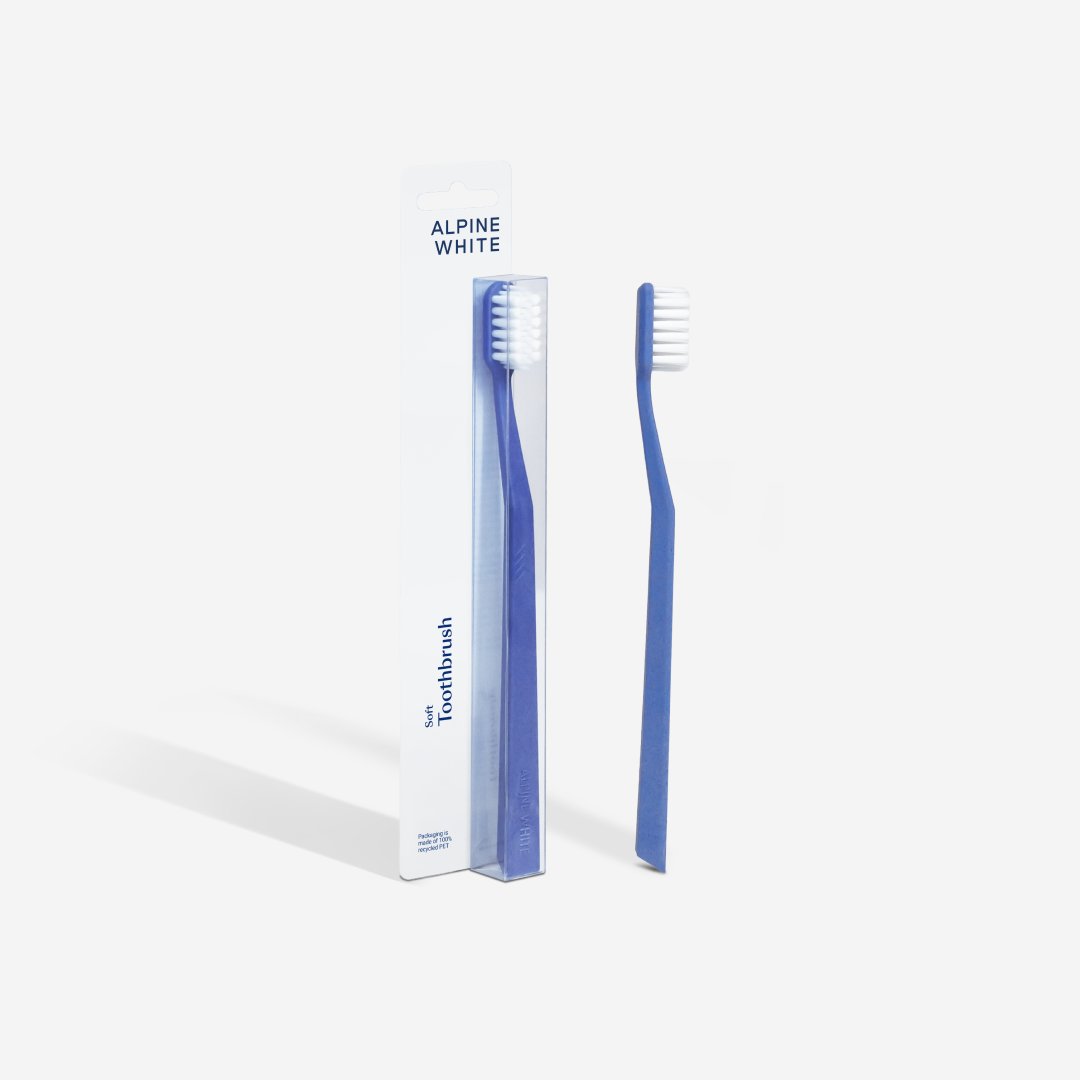
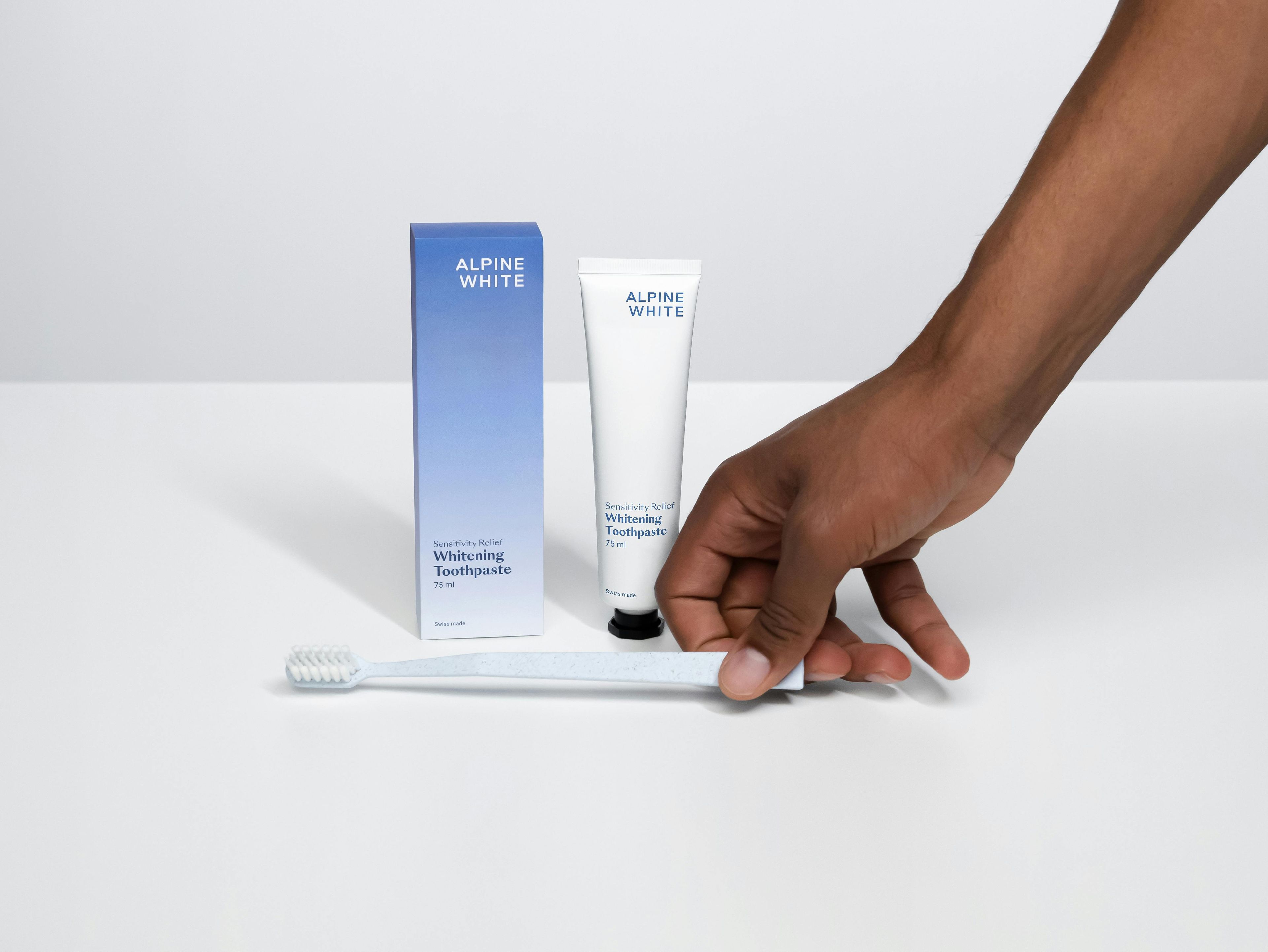
We would also like to introduce you to the Toothbrush by ALPINE WHITE. It is important to us to produce sustainably. Therefore, the handle of our toothbrush is made of one third Wheat Straw, a waste product from the wheat industry. This raw material is fed back into the production cycle - for the sake of the environment. Wheat Straw is also gluten-free and non-allergenic, making it a great choice for anyone looking for a sustainable and health-conscious option.
Whether you choose a bamboo toothbrush or the sustainable Toothbrush by ALPINE WHITE, it's important to know that the bristles of both options are just as effective as those of conventional toothbrushes. So you don't have to compromise on oral hygiene.

 Oral Care