
 Dental Health
What is caries?
You may have heard of dental caries, but do you really know what it is? In this blog post, you'll learn everything you need to know about caries, including its causes and prevention. Read on to find out more!

Tooth decay is one of the most common dental diseases worldwide. It affects people of all ages and can lead to serious problems if left untreated. In this blog post, you will learn all about tooth decay, from how it develops to modern treatment methods. At ALPINE WHITE, we are committed to healthy dental care, which is why we are keen to provide you with comprehensive information.

Andrea Seraina
Dental Content Specialist
Caries, often referred to as tooth decay or cavities, is the destruction of tooth substance caused by bacteria in the mouth. These bacteria produce acids that attack the tooth enamel and lead to a breakdown of the tooth substance. In the early stages, caries often appears as a white spot on the tooth surface. If it is not treated, it can penetrate deeper into the dentin and pulp and cause severe toothache.
The main cause of tooth decay is bacteria that feed on sugar and starch in our food. Good oral hygiene is therefore essential to prevent tooth decay. Regular brushing, especially with fluoride toothpaste, helps to remove plaque and strengthen teeth. Our whitening toothpastes from ALPINE WHITE are a good option for this, as they contain fluoride. It is also important to use dental floss to keep the spaces between your teeth clean.
Early detection of tooth decay is crucial. Incipient caries can often be treated with a professional tooth cleaning at our ALPINE WHITE Studio or at the dental practice and the use of fluoride-containing products. Another method is caries infiltration, in which a special resin is applied to the affected areas to stop the spread of caries. Our caries repair treatment also helps here, you can find out more about this in the text below.
CHF 195
Standard • + Oral Health Check
Keep your teeth healthy with our gentle professional teeth cleaning, done using the latest instruments.
For deep caries that has already reached the dentin or pulp (the dental pulp), more extensive treatments are necessary. These include
In modern dentistry, there are advanced techniques and materials that make the treatment of caries more effective and less invasive. These include:
At ALPINE WHITE, we offer a revolutionary caries repair treatment that is a gentle and effective alternative to conventional methods. Our caries repair treatment makes it possible to regenerate the tooth structure without the need for drilling, anaesthesia or discomfort. This method is ideal for correcting initial caries, white spots and demineralisation.
The treatment begins with a thorough cleaning and preparation of the tooth surface to remove all bacteria. A special repair material is then applied and left for a few minutes to repair and strengthen the enamel. This innovative method can restore the hardness of the enamel to a depth up to 8 times greater than conventional fluorides.
A major advantage of caries repair treatment is that it stops the progression of caries and helps to preserve the natural tooth structure. Compared to invasive treatments such as fillings, which cannot always guarantee an ideal seal in the micro area, our method offers an effective and less stressful alternative. It is also a cost-efficient solution as it helps to avoid more expensive dental treatments in the future.
At ALPINE WHITE, we are proud to offer our customers this advanced treatment option that not only promotes dental health, but also improves the well-being and quality of life of our patients.
Amalgam has played an important role in the history of caries treatment. This material, a mixture of mercury and other metals such as silver, tin and copper, has long been used for dental fillings because of its durability and cost-effectiveness. Amalgam was a particularly popular choice for fillings in the molars, which have to withstand high chewing pressure. However, despite its strengths, there are concerns about the mercury content in amalgam. The potential release of mercury vapour, especially when inserting or removing amalgam fillings, has led to health concerns. For this reason, and due to the increasing desire for more aesthetic, tooth-coloured fillings, many dentists and patients are now leaning towards alternative filling materials such as composite, ceramic or gold. This development in dentistry reflects the growing awareness of the importance of both health and aesthetics in caries treatment.
In the case of advanced caries that penetrates deep into the dentin and the tooth nerve, root canal treatment is often necessary. This treatment aims to save the affected tooth by removing the inflamed or infected tooth nerve. It is a complex process that usually requires several visits to the dental practice over a short period of time. Once the tooth nerve has been removed, the inside of the tooth is cleaned and sealed to prevent further infection.
Another important aspect of caries treatment is the role of fluoride. Fluoride helps to remineralise and strengthen teeth, which is particularly important in preventing the spread of tooth decay. Many dental care products contain fluoride, and additional fluoride treatments can be given in the dental practice.
Gum health also plays a crucial role in the prevention and treatment of tooth decay. Good dental hygiene, including regular professional dental cleanings, helps to keep the gums healthy and prevent diseases that could affect the jawbone and surrounding teeth.
In some cases, if a large part of the tooth has been destroyed by decay, a partial crown or a dental crown may be required. These restorative treatments help to restore the structure of the tooth and maintain its functionality. The costs of such treatments are often partially covered by statutory health insurance.
It is important to note that caries bacteria and salivation are closely linked. Healthy salivary flow helps to flush food debris and bacteria from the mouth and provides natural protection against tooth decay. Therefore, it is important to promote hydration and avoid or treat conditions that reduce salivation.
Tooth decay is a serious threat to our dental health, but with proper care and regular visits to our ALPINE WHITE Studios, it can be effectively treated and even prevented with Caries Repair. Remember that good oral hygiene, a balanced diet and regular check-ups are the key to healthy, white teeth.
At ALPINE WHITE, we are proud to offer products and services that support your dental health without resorting to harmful substances such as peroxide. Our philosophy is to offer natural and safe alternatives to give you a radiant smile.
Dental HealthYou may have heard of dental caries, but do you really know what it is? In this blog post, you'll learn everything you need to know about caries, including its causes and prevention. Read on to find out more!
 Dental Hygiene
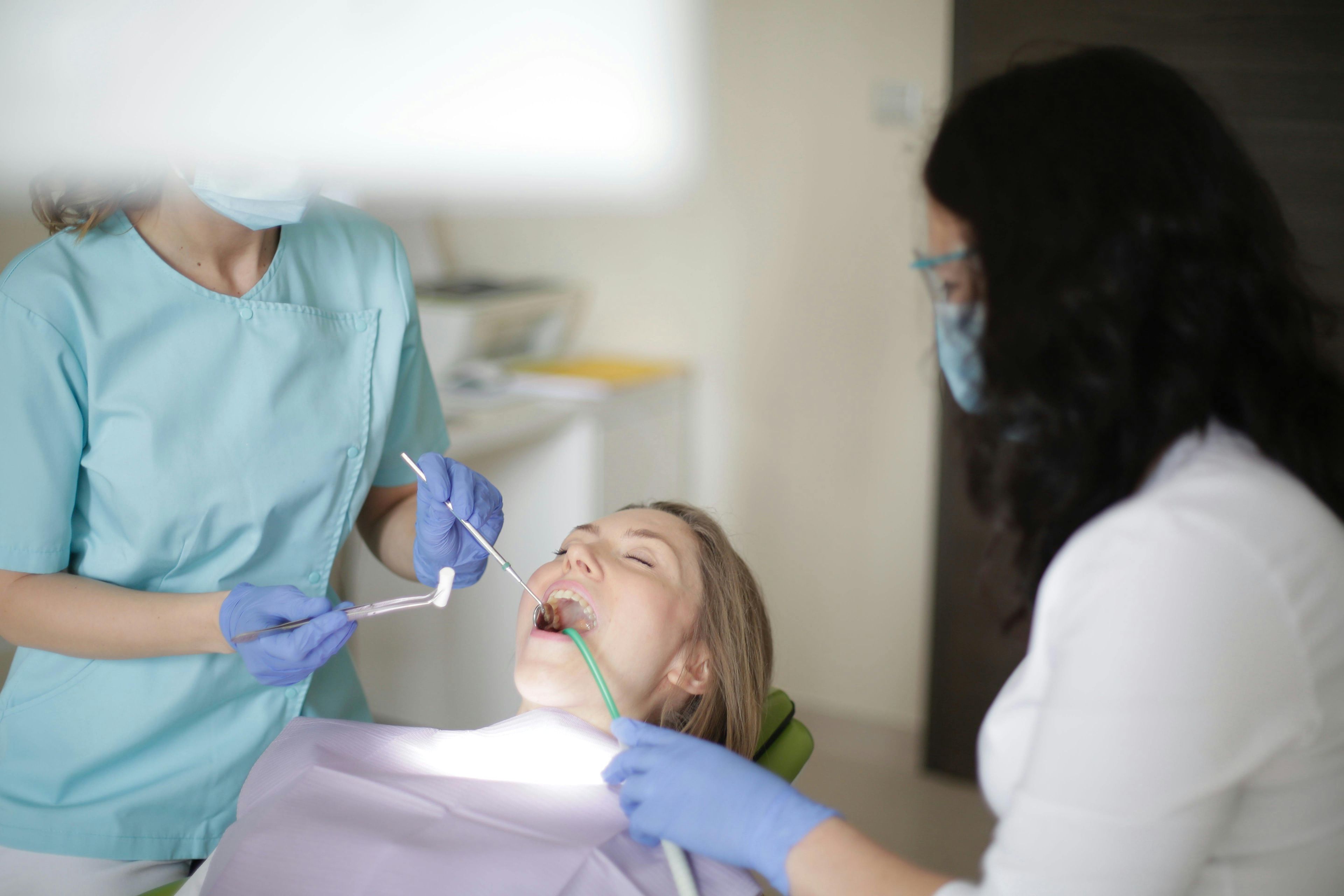
At a time when a radiant smile is not only aesthetic but also a sign of good health, regular dental hygiene plays a key role. This goes far beyond superficial dental care and plays a crucial role in preventing oral diseases and maintaining a healthy smile. In this article, you will find out how often you should have dental hygiene carried out, why it is so important and how it can have a lasting effect on your well-being and health. We take a look at the different aspects of dental hygiene - from professional teeth cleaning in the dental practice to daily care at home - and offer you useful tips on how to optimise your dental health.
 Dental Health
Dental health is an often underestimated but crucial aspect of overall health. A healthy set of teeth is not only important for aesthetics, but also for digestion and even the cardiovascular system. Problems such as tooth decay, periodontitis and gingivitis can have far-reaching consequences that go beyond the mouth. Therefore, it is important to practice comprehensive dental care that includes both the teeth and the gums.