Back to overview
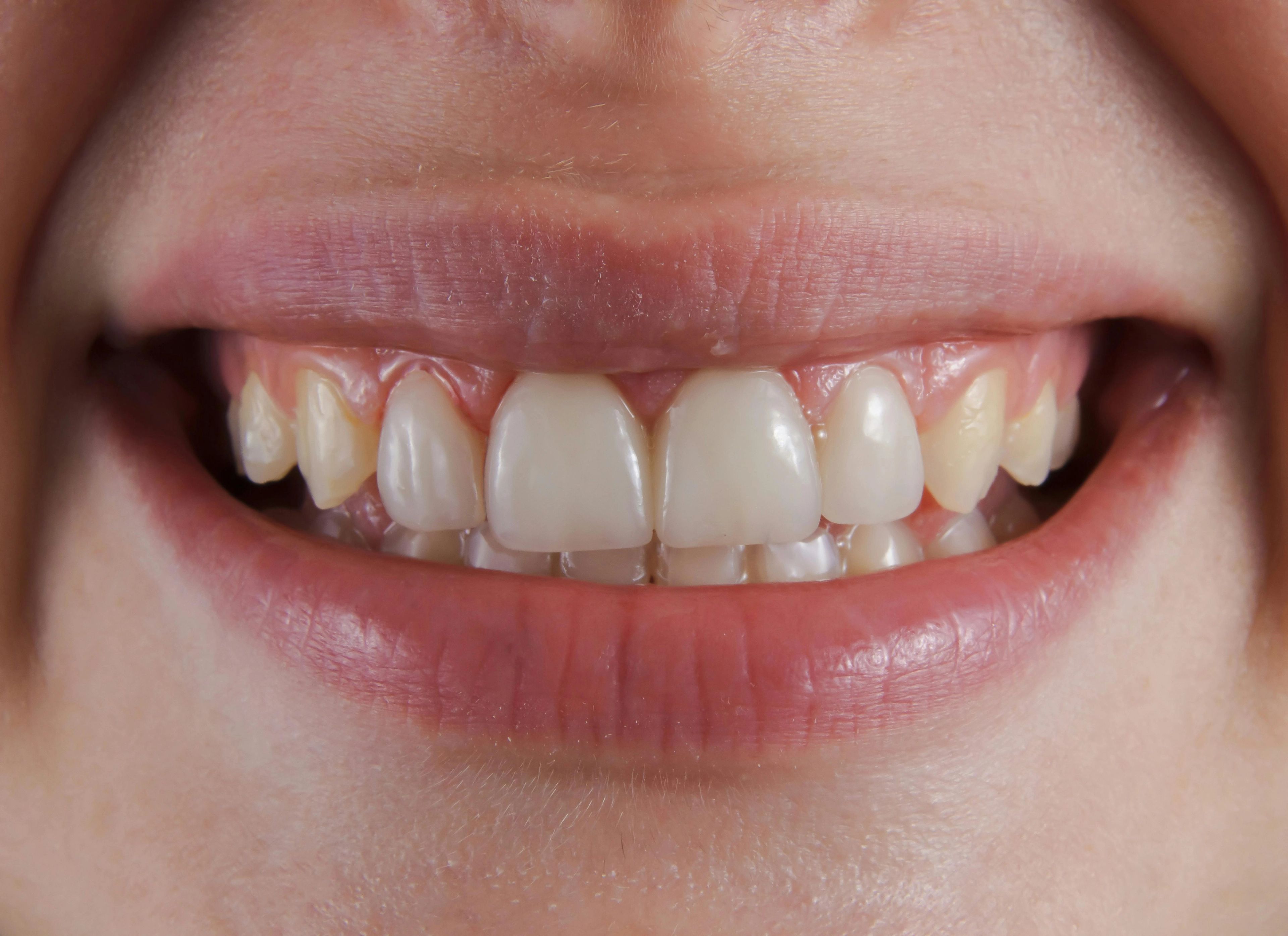
Close-up of lips and teeth while smiling, gums visible

Get rid of tooth discoloration with these tips

Teeth Whitening26 Sept 20227 min read

A bright white smile looks attractive and reflects the ideal we know from magazines. In reality, however, white teeth are rare - yellow or brown teeth, on the other hand, are more common!


Andrea Seraina

Andrea Seraina

Dental Content Specialist

But what are the causes of tooth discoloration and what can you do about yellow teeth? Can you remove discoloration yourself? What home remedies are there for yellow teeth and are they effective or rather harmful?

This article will tell you everything you need to know about these questions.

What is tooth discoloration?

The dentin determines the color of your teeth. Often, however, the dentin is not white but a little darker. The whole thing is genetically determined and you can't help what color the dentin is.

In addition, the natural tooth color can be discolored in two ways. When we talk about external tooth discoloration, we are talking about extrinsic discoloration, such as deposits. Intrinsic discoloration affects the inside of the tooth, i.e. the enamel or dentin.

Causes of tooth discoloration

In addition to genetic predisposition and individual oral hygiene, our lifestyle can also be responsible for discolored teeth. When you have poor dental hygiene because you don't brush your teeth regularly, you risk tartar and plaque buildup. But many people suffer from yellow or brown discoloration on their teeth and wonder what causes it.

The most important causes at a glance:

  • White and red wine
  • Tea
  • Coffee
  • Soft drinks and fruit juices
  • Spices
  • Mouthwashes
  • Cosmetic products
  • Medicines
  • Dental accident, teeth grinding or tooth decay

Other foods and stimulants with unwanted color effects on your teeth are:

  • Beetroot
  • Liquorice
  • Balsamic
  • Blueberries, blackberries and pomegranate
  • Soy sauce
  • Tomato sauce
  • Curry and saffron

So is it better to avoid pigment-containing foods for white teeth?

Not completely! You can counteract yellow teeth caused by tooth-staining foods by brushing your teeth regularly and focusing on your oral health.

Are you out and about and don't have any dental care with you? Then you can also rinse your mouth with water to wash the pigments out of your mouth.

But be careful! After consuming very acidic products, it is important to wait at least 20 minutes before brushing your teeth, otherwise, you will further irritate the tooth enamel and promote discoloration.

Avoid tooth discoloration at a young age

Common causes of yellow teeth are too much fluoride at a young age. Excessive use of fluoride applications, rinses, toothpaste, can lead to fluorosis. This looks like white spots on your teeth. Therefore, it is also important to make sure that you do not buy dental care products that contain too much fluoride. You can learn more about the right toothpaste in this article.

Can mouthwashes stain your teeth?

Mouthwashes can also stain your teeth. Be especially careful with mouthwashes containing chlorhexidine or stannous fluoride. These ingredients can be deposited on your teeth after prolonged use.

Tooth discoloration due to medication?

It is known that taking certain medications can cause discoloration. These include, for example, preparations with tetracyclines as the active ingredient - such as doxycycline and minocycline - antihistamines, antidepressants and antipsychotic drugs.

On the one hand, such antibiotics can cause dark deposits and, on the other hand, they lead to the formation of bacteria in the oral flora that attack the enamel and promote discolored teeth.

In addition to antibiotics, the intake of iron products as a food supplement can also lead to discoloration of the teeth.
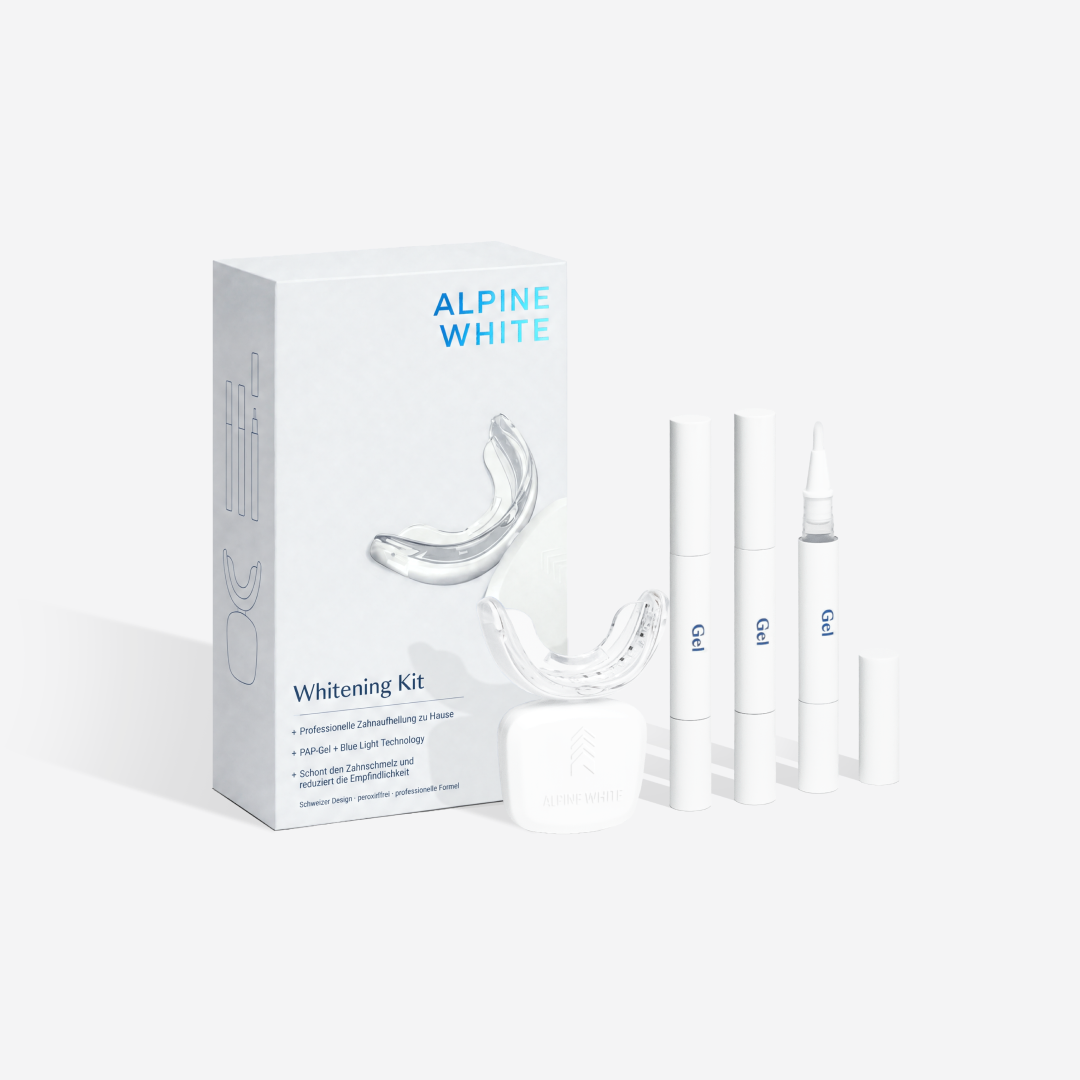
Pack of ALPINE WHITE Whitening Kit with tray, charging case and three gel pens
4.6(119)

Whitening Kit

CHF 79.90

1 pc • CHF 79.90

Learn more

Yellow teeth despite care?

Are your teeth yellow even though you brush and floss carefully and avoid potentially staining foods, drinks, mouthwashes and medicines? These could be other causes:

  • Advanced age
  • Cigarettes
  • Dental disease or dead teeth

Advanced age

Yellow teeth are also an age-related problem. As we age, our tooth enamel becomes thinner. Therefore, the underlying yellow dentin becomes more prominent and makes the adult teeth appear more yellow.

Tobacco Use

People who smoke cigarettes, chew tobacco or use any other tobacco products have to expect discolored teeth. Tobacco contains tar, which causes yellow discoloration or leaves brown stained deposits.

But nicotine, ammonia, hydrogen cyanide and carbon monoxide - all components of cigarettes - also promote stubborn yellowish plaque.

To learn more about treatment options for smokers' teeth, read further down the article.

What to do about internal discoloration?

In the case of intrinsic tooth discoloration, the tooth structure has been disturbed by deposits during tooth development.

If the intrinsic discoloration of the teeth is caused by a disease, this must first be treated before tooth whitening can be considered.

Since intrinsic tooth discoloration therefore usually requires dental intervention, a professional consultation is strongly recommended.

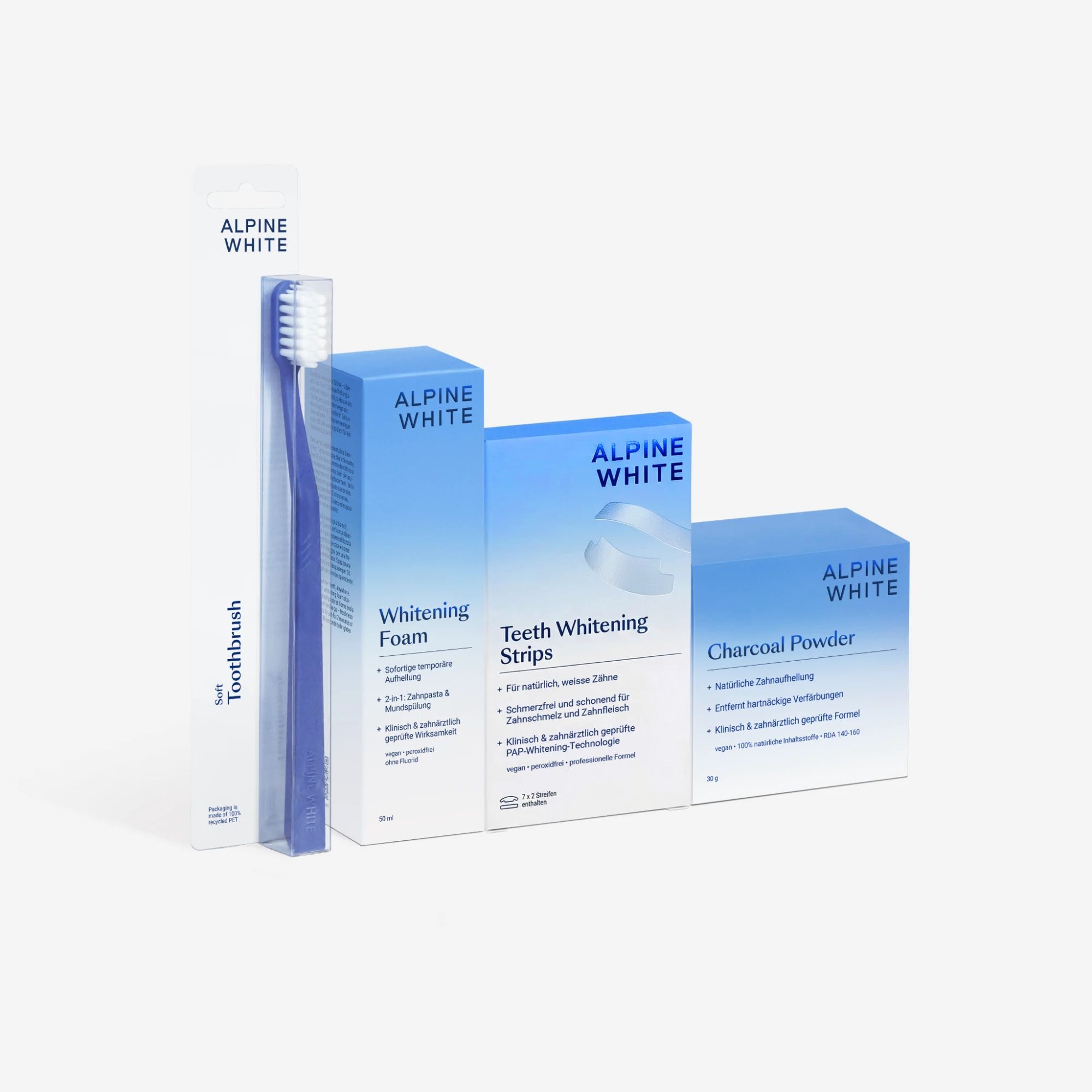
ALPINE WHITE Soft Toothbrush, Whitening Foam, Teeth Whitening Strips and Charcoal Powder side by side

Whitening Bundle

CHF 59.00

1 set • CHF 59

Learn more

What to do about yellow teeth?

Discolored teeth are often not a medical problem but a cosmetic one. But even a smile can become a burden when discolored teeth stand out instead of bright white ones. More than ever, we're putting our money where our beauty mouth is, spending more money each year on over-the-counter and professional whitening products, so-called cosmetic dentistry.

When you are ready to whiten your smile, there are options for every budget - but it pays to know which are safe and effective - and which can do more harm than good. What you can do about it:

Remove discolored teeth yourself

If you want to try to remove discoloration yourself without professional help, here are some whitening treatments:

Teeth whitening foods

In addition to staining foods, there are also foods that can whiten your teeth - a culinary "bleaching", so to speak!

If you want to emphasise the color of your teeth in a natural way, we can recommend the following products:

  • Milk, cheese and other dairy products
  • Rather harder fibre
  • Rich fruits and vegetables
  • Strawberries

White teeth with home remedies?

Intuitively, the first thing people do when removing yellow teeth is to use a common remedy. However, this can have negative consequences.

Find out here which known home remedies are available and which you should stay away from:

  • Baking powder and baking soda (do not use)
  • Citric acid or lemon juice (do not use)
  • Coconut oil
  • Turmeric
  • Toothpastes with fluoride
  • Whitening Toothpaste
  • Whitening Strips

Remove tooth discoloration with baking powder and baking soda?

Often indispensable for cakes and biscuits! Many of us have baking powder and bicarbonate of soda at home and they are also extremely cheap to buy in the supermarket. For generations, the powders have been recommended - as a toothpaste substitute on the toothbrush - for whitening teeth.

Do they really work against tooth discoloration?

In fact, in the fight against discolored teeth, baking soda and baking powder initially seem to achieve positive results.

But, dentists still advise against using these products. While the granular powders do remove surface plaque, they also scrub away the enamel and thus the natural protection of the teeth, which irritates the gums and leads to increased sensitivity to pain.

In the longer term, baking soda/baking powder whitening will even make your teeth darker again, as the yellowish dentin underneath the enamel becomes more visible and dyes - for example from your morning coffee or daily green tea - stain the tooth more easily due to the lack of a protective layer.

Have discolored teeth professionally removed

During a professional dental cleaning at the Alpine White Dental Studio or your dentist, your teeth will be cleaned, polished and finally treated with a fluoride varnish. The experts will also remove discoloration and plaque from the spaces between your teeth, which you can't easily reach yourself.

Do you have veneers, bridges or crowns?

It is important to know that dentures, including veneers, bridges or crowns cannot be whitened as they are made of artificial materials, usually porcelain. Only teeth made of natural enamel can be whitened.

How long and how often?

Professional dental cleanings take about an hour and should be done 1-2 times a year. However, the length and frequency of treatment will always depend on the dental health of the individual.

Smiling woman with curly hair against a blue background

Bleaching

CHF 365

Standard • + Oral Health Check

Our innovative in-office bleaching whitens your teeth gently and painlessly in just one session.

  • Naturally white teeth
  • Effective whitening in a single session
  • No change to the tooth structure
Book appointment

Bleaching with ALPINE WHITE

If professional teeth cleaning is not enough, bleaching methods can also be used. With our whitening products, you can achieve maximum whitening results in a short time.

Whitening products vary in the concentration of the whitening active ingredient, hydrogen peroxide. In addition to the active ingredient hydrogen peroxide, the gentle alternative PAP has now become established. Our Alpine White Whitening Kit is based on this active ingredient.

Our Whitening Strips are a professional home remedy for chemically whitening your teeth. Whitening strips help you to remove discolouration and whiten your teeth effectively and without harming your health. The Whitening Strips visibly whiten your teeth after just three days.

However, if you want a faster whitening effect, you can also get your whitening directly at Alpine White Studio. In the Studio, we offer in-house bleaching, which is completely painless and free of harmful substances.

This might also interest you

Black splashes on a white backgroundTeeth Whitening

Whiter teeth with activated charcoal

Activated charcoal (carbon) is a particularly fine-grained carbon that is very porous and has a large inner surface area. Among other things, activated carbon is used in medicine, the treatment of water and wastewater, air conditioning and ventilation technology, and chemistry.

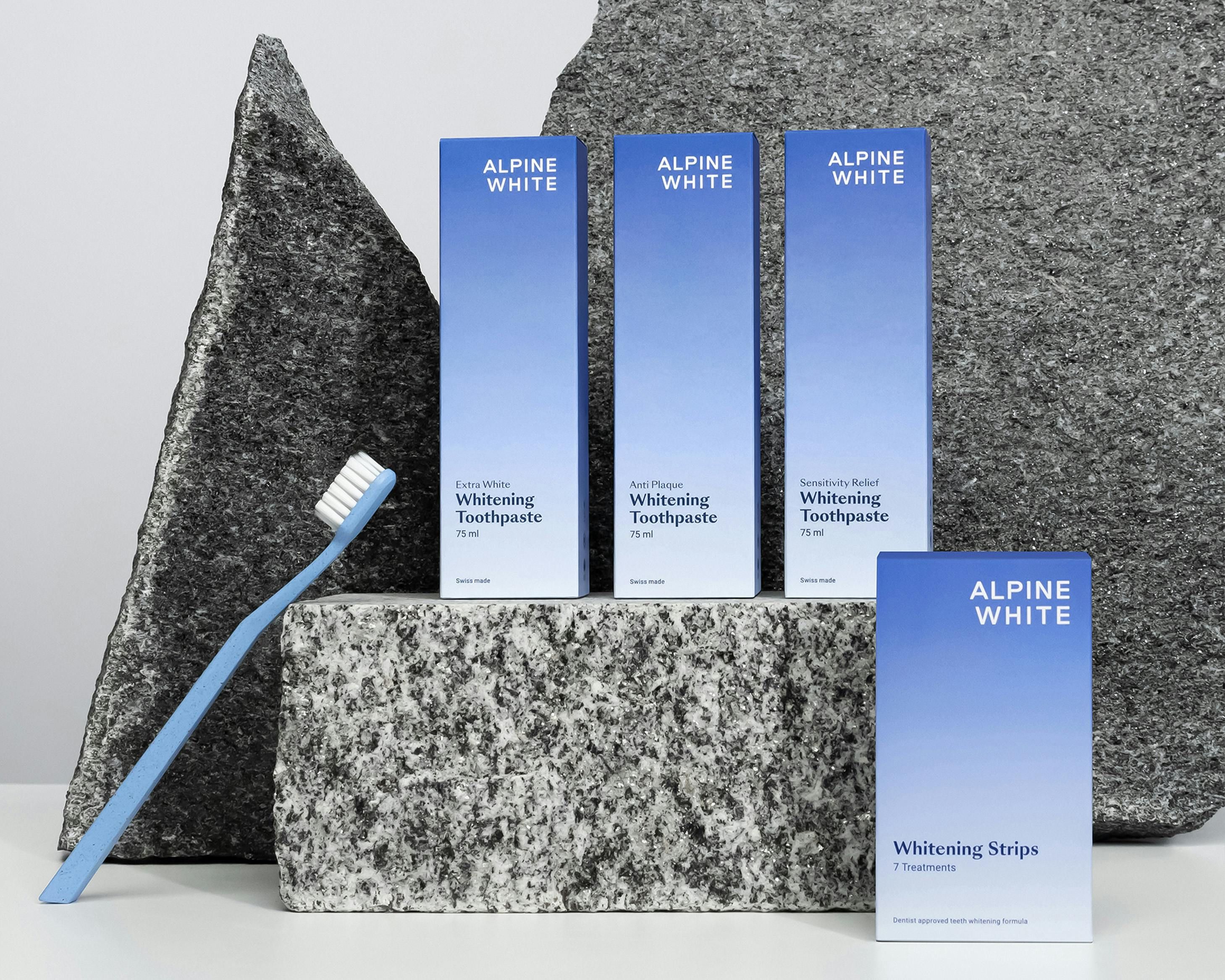
ALPINE WHITE Whitening Toothpaste in three variants next to Whitening Strips and a blue toothbrush, in front of rocksOral Care

The best toothpaste for you

The range of kinds of toothpaste is huge. There are many different brands, such as Sensodyne, Crest Pro Health and Colgate. While one promises fresh breath with minty flavour, another supports the gums or helps to whiten teeth (whitening toothpaste). Still, other toothpastes are designed to combat tartar, pain-sensitive teeth or aphthae. Then there are fluoride and fluoride-free toothpastes or SLS or SLS-free.