Why is gentle teeth whitening so important?
Many people know the dilemma. You want brighter teeth, but you worry about damaging your enamel or triggering tooth sensitivity. If your teeth are already sensitive, you are likely to be sceptical about classic bleaching.
Gentle whitening means:
- Reducing stains in a controlled way instead of promising "maximum" results.
- Treating your enamel with respect and avoiding unnecessary weakening.
- Choosing formulations made for everyday use, with a focus on prevention and long-term oral health.
At ALPINE WHITE, the focus is always on healthy, white teeth rather than short-lived, radical interventions. Modern whitening products should complement a well-balanced oral care routine, not replace it.
What is PAP teeth whitening technology?
Phthalimido peroxy caproic acid (PAP) is a modern, peroxide-free whitening ingredient developed for gentle tooth whitening. PAP is used in several ALPINE WHITE products, such as whitening strips and whitening toothpaste.
PAP explained in simple terms
Classic bleaching with hydrogen peroxide lightens the pigments in and on the tooth surface using reactive oxygen compounds. Depending on the concentration, how long it is applied and your individual situation, this can also put stress on enamel and dentine.
PAP takes a different approach:
- PAP targets the pigments responsible for stains.
- The formulation is designed to work gently and to protect your enamel.
- In ALPINE WHITE PAP products, the active ingredient is combined with caring components that support daily oral hygiene.
The result is a modern, science-based way to reduce stains as part of a complete oral care routine. ALPINE WHITE's PAP whitening technology was developed in Switzerland to reduce stains effectively without putting unnecessary stress on your enamel.
PAP compared with classic bleaching agents
The key difference between PAP and classic peroxide-based bleaching agents lies in the mode of action and formulation:
- Hydrogen peroxide releases free radicals that can penetrate deep into the tooth structure and chemically change pigments. This can be effective, but it is also linked with increased sensitivity.
- PAP is designed to whiten in a more targeted and controlled way. ALPINE WHITE formulations aim for a balance between visible results and protection.
For you, this means:
- A whitening option that is particularly interesting if you are looking for a gentle alternative.
- A technology that fits easily into everyday life, without constantly feeling like a "treatment".
Is PAP safe for enamel? What really matters
Whatever the active ingredient, safe teeth whitening needs well-thought-out formulations and clear usage instructions.
Important principles include:
- Formulations with enamel in mind: Additional ingredients can help protect and care for the tooth surface.
- Clinically tested products: Products should be tested for effectiveness and tolerability before they become part of your daily routine.
- Transparent communication: The aim is not miracle promises, but realistic support on the way to healthy, white teeth.
The PAP-based whitening technology from ALPINE WHITE was developed in Switzerland, with a strong focus on safety and everyday suitability. In clinical studies, stains were visibly reduced, and no relevant effects on enamel or gums were observed. Such data support the goal of developing whitening products that combine results and gentleness as well as possible.
How do PAP products fit into your oral care routine?
PAP technology works best as part of a well-structured daily oral care routine. Depending on your needs, you can combine different product types.
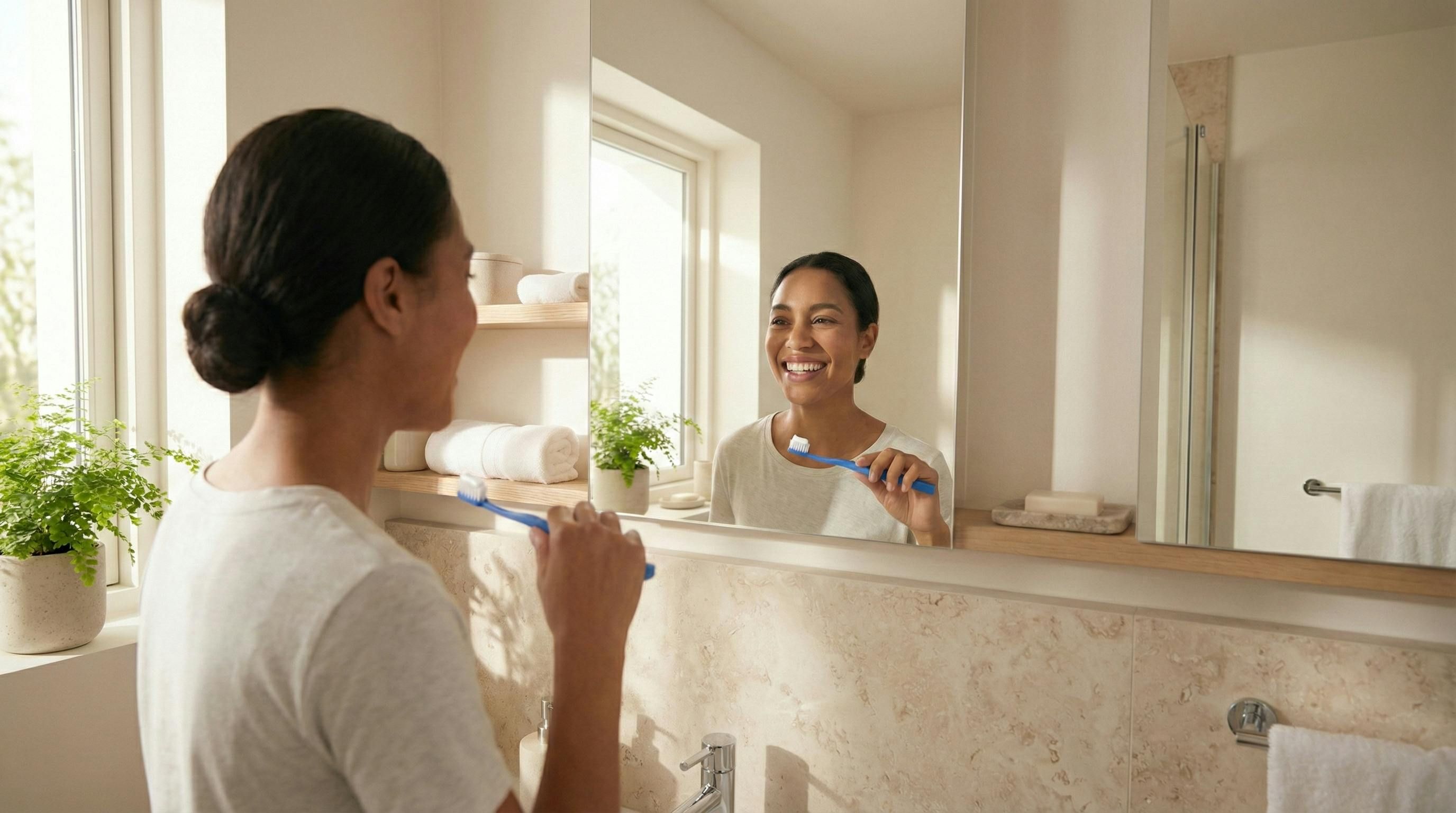
Daily whitening toothpaste with PAP
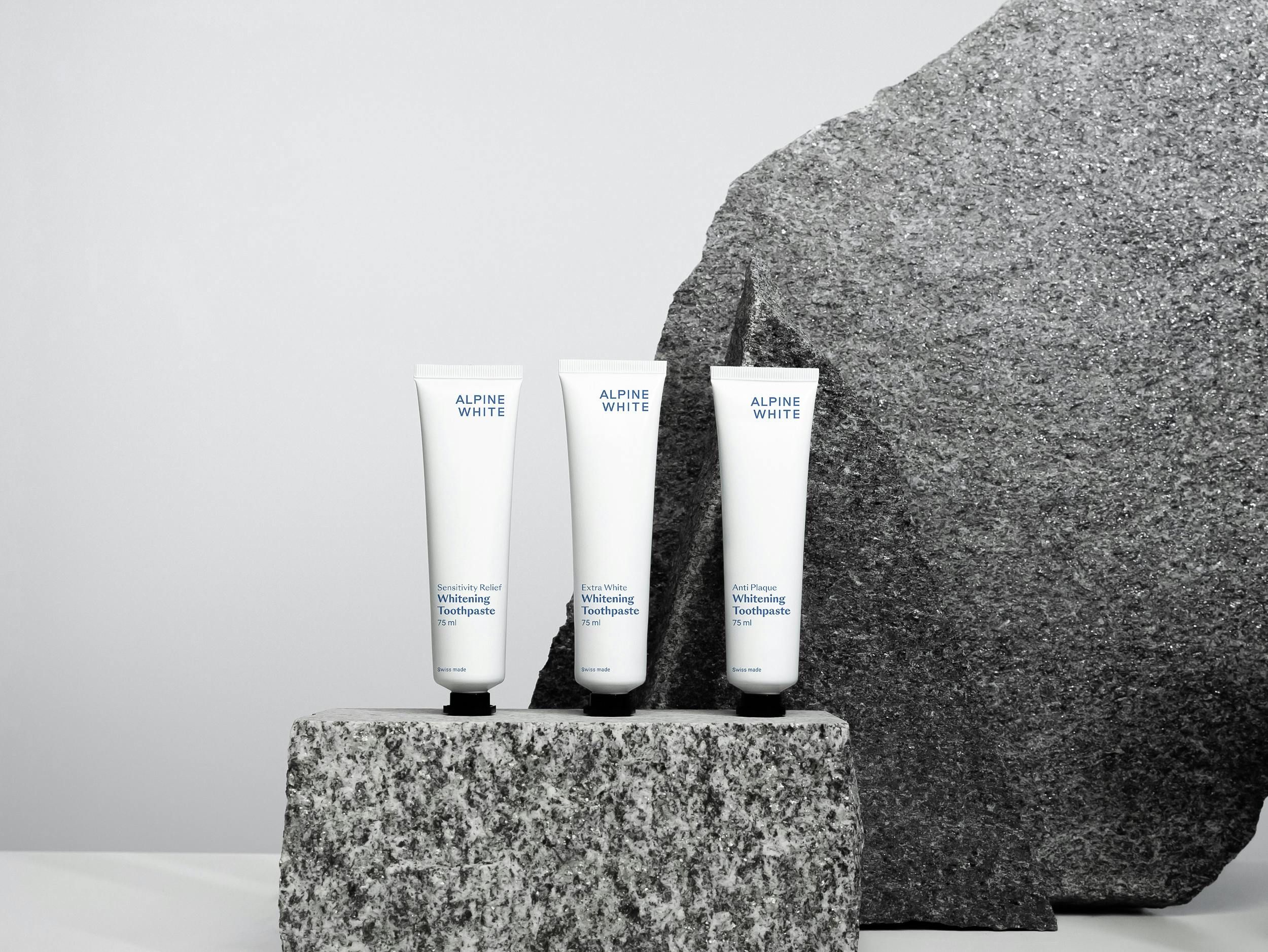
A PAP-based whitening toothpaste such as Whitening Toothpaste Extra White is designed for daily use. It combines cleaning, enamel care and a gentle reduction of stains.
Typical everyday benefits:
- Regular, gentle effect: Light stains from coffee, tea or wine can be reduced step by step.
- Easy to use: You use it just like any conventional toothpaste.
Good brushing technique, the right toothbrush and cleaning between your teeth remain essential. PAP technology complements this foundation.
Whitening strips and the Whitening Kit for a stronger effect
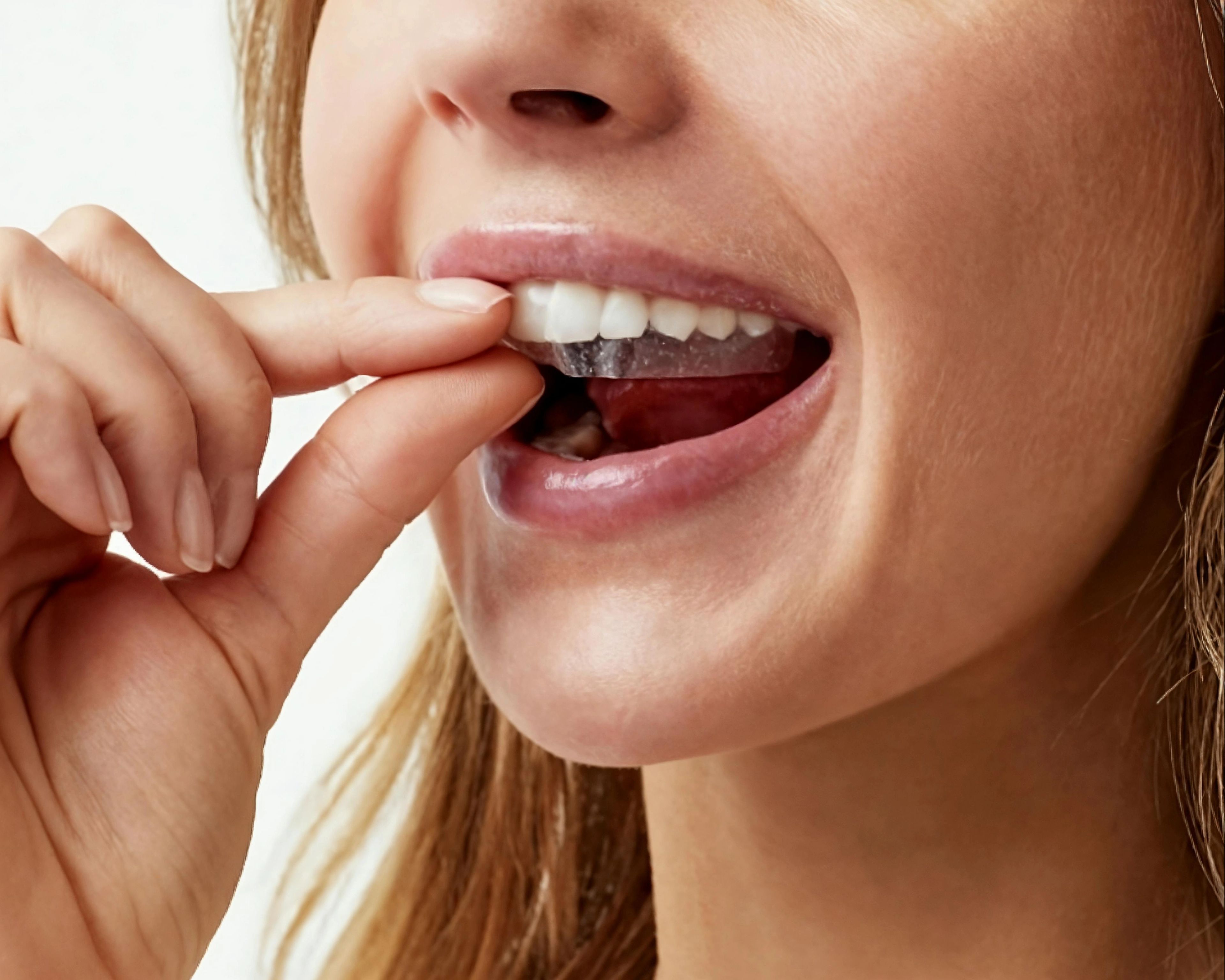
If you would like a stronger whitening effect, you can add PAP-based whitening strips or a Whitening Kit. They are designed for limited periods of use and complement your daily toothpaste.
Typical use of whitening strips:
- Short periods of use over several days.
- A focus on visibly reducing everyday stains.
- Simple use at home, without complicated tools.
Again, these products are not a replacement for good oral hygiene. They are an add-on that brings modern whitening technology to your home.
Who is PAP suitable for, and when should you see a professional?
PAP products can be particularly interesting if you:
- want to reduce everyday stains from coffee, tea, red wine or nicotine,
- are looking for a gentle alternative to classic bleaching agents,
- value modern, science-based technology.
If you already have significant problems, pain or visible damage to your teeth or gums, always see your dentist first. This article does not replace a diagnosis or personal advice. It gives you an overview of how PAP works and how it can be used in daily oral care.
Frequently asked questions about PAP and teeth whitening
Does PAP make teeth sensitive?
Sensitive teeth can have many causes, from exposed tooth necks and microscopic cracks to existing enamel damage. That is why many people are particularly cautious about whitening products.
PAP-based formulations are designed to make whitening as gentle as possible. That means:
- The focus is on a controlled reduction of stains.
- The formulas can include ingredients that support enamel.
- The usage instructions are designed so the products fit into a normal routine.
Still, every mouth is different. If you have very sensitive teeth, introduce new products gradually and speak to your dentist if discomfort persists.
How quickly will I see results, and how long do they last?
How quickly whitening becomes visible depends on several factors:
- your starting shade and the type of stains,
- everyday habits (for example coffee, tea or smoking),
- the type of product (daily toothpaste or whitening strips),
- how consistently you follow the instructions.
In general:
- Whitening toothpaste with PAP supports gradual change through daily use.
- Whitening strips can deliver a stronger effect over a shorter period, and you can then keep up with a PAP toothpaste routine.
To help results last as long as possible, consistent oral hygiene is crucial. That includes regular brushing, cleaning between your teeth and being mindful of strongly staining foods and drinks.
Can I combine PAP with other products in my routine?
PAP products are designed to fit well into existing routines, for example alongside a fluoride toothpaste, interdental brushes or an electric toothbrush.
Please remember:
- Do not "layer" several intensive whitening products just to speed things up.
- Follow the manufacturer's recommendations for dosage and frequency.
- If you are unsure or already have problems, it is better to ask your dentist early.
That keeps the focus on preventive oral care, with modern whitening technology as one building block, rather than on as many treatments as possible at once.
Your personal plan for healthy, white teeth with PAP
To sum up, here are the key steps for your everyday routine:
- Build a solid foundation: Brush thoroughly at least twice a day, use a suitable toothbrush and clean between your teeth.
- Add a PAP toothpaste: Choose a PAP-based whitening toothpaste such as Whitening Toothpaste Extra White and use it consistently.
- Boost when needed: If you like, plan a limited course of whitening strips, always following the instructions on the pack.
- Watch your everyday habits: Enjoy strongly staining foods and drinks mindfully and, if possible, rinse your mouth with water afterwards.
- Listen to warning signs: If you have persistent pain, strong sensitivity or visible damage, contact your dentist.
Used in this way, PAP technology becomes one building block of a modern, personal oral care routine, with the long-term goal of supporting healthy, white teeth.

 Teeth Whitening