The role of bacteria in oral diseases
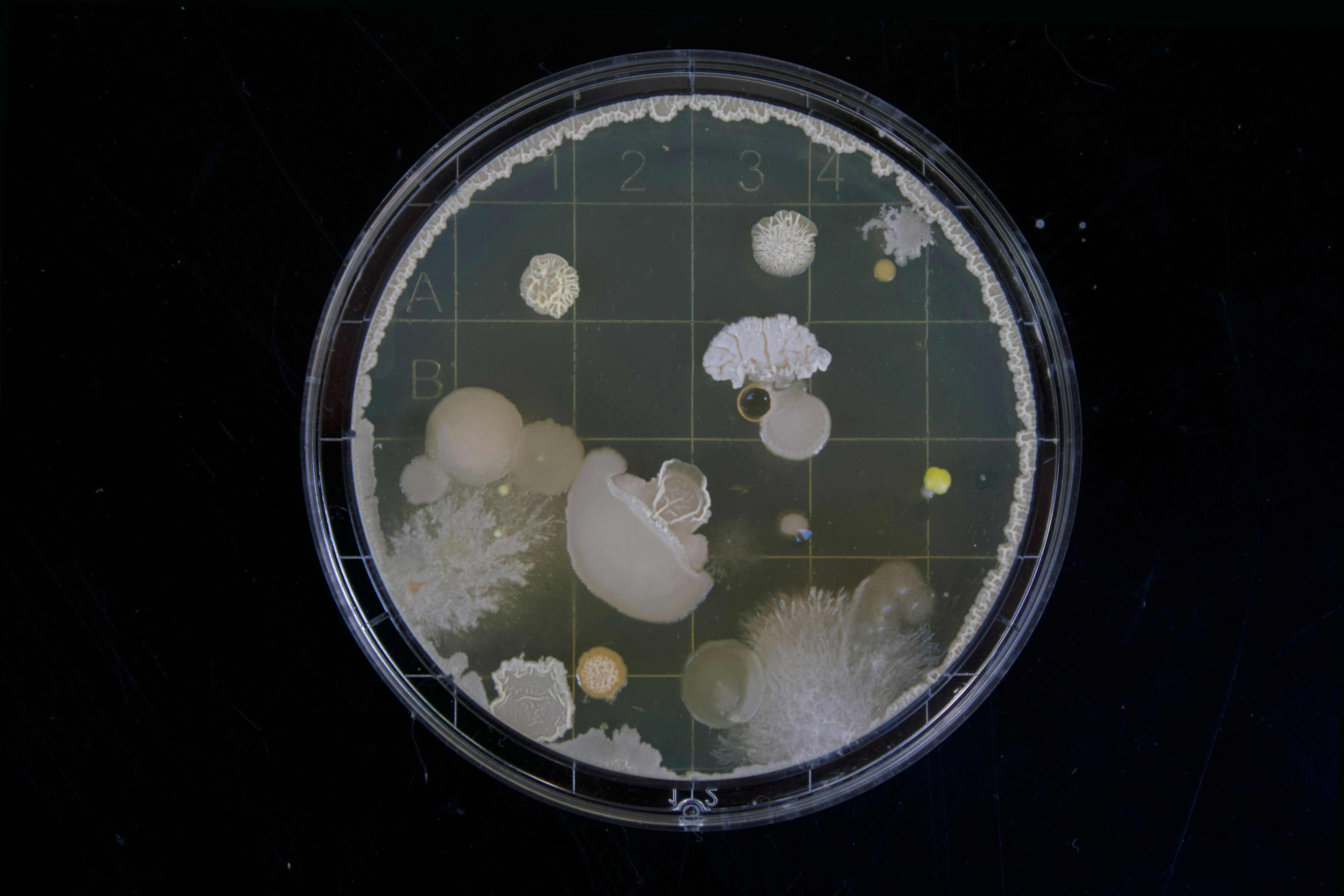
Our oral cavity is a complex ecosystem in which hundreds of species of bacteria coexist. While many of the oral bacteria are considered good bacteria and beneficial to our oral health, there are also bad bacteria, like Porphyromonas gingivalis and Streptococcus mutans, that can cause serious problems. Tooth decay, periodontal disease and gingivitis are just some of the diseases caused by these harmful bacteria. They feed on food debris between the teeth and in the gums, produce acids that attack the enamel and cause inflammation in the gums and periodontium.
These bacteria are not only responsible for the direct damage they cause, but also for the secondary effects they can trigger. For example, persistent bad breath can be an indication of an excessive accumulation of harmful bacteria. Furthermore, the long-term presence of these bacteria can put a strain on the immune system, which in turn can affect other areas of health. Interestingly, there is also evidence that changes in the composition of oral flora may be linked to systemic diseases such as diabetes and cardiovascular disease. This emphasises the importance of maintaining a balance of microbes in the mouth and keeping harmful bacteria in check to promote not only dental health but also general health.
Oral hygiene: the key for a healthy mouth
Good oral hygiene plays a key role in the fight against harmful bacteria in the mouth. It's not just about keeping teeth clean, but also about maintaining the balance of oral flora and minimising the risk of gingivitis, tooth loss and periodontitis. Daily brushing, ideally after every meal, is essential to remove plaque and prevent the build-up of harmful microbes. Using a toothbrush with soft bristles protects the enamel and the sensitive oral mucosa, while toothpastes containing fluoride help to strengthen the enamel and prevent tooth decay. We recommend one of our ALPINE WHITE whitening toothpastes for this purpose, especially the anti-plaque variation, which effectively prevents plaque with natural ingredients.
Cleaning the spaces between the teeth should also not be underestimated. Here, dental floss and interdental brushes offer effective solutions to remove food debris and bacteria that accumulate in these hard-to-reach areas. These steps are particularly important as plaque often forms here, which can harden into tartar and lead to gum inflammation if not removed.
In addition to mechanical cleaning methods, mouthwashes play an important role. They can reach areas that brushes and threads cannot and provide additional protection against bacteria. Some mouthwashes contain antibacterial agents such as chlorhexidine, which helps to reduce the number of harmful bacteria in the mouth. However, such products should be used after consulting an expert and not as a permanent solution, as they can also affect the natural oral flora.
It is also important to adapt oral care to individual needs. People with sensitive gums, wearers of dentures or people with a weakened immune system may need special care products or techniques.



 Dental Health