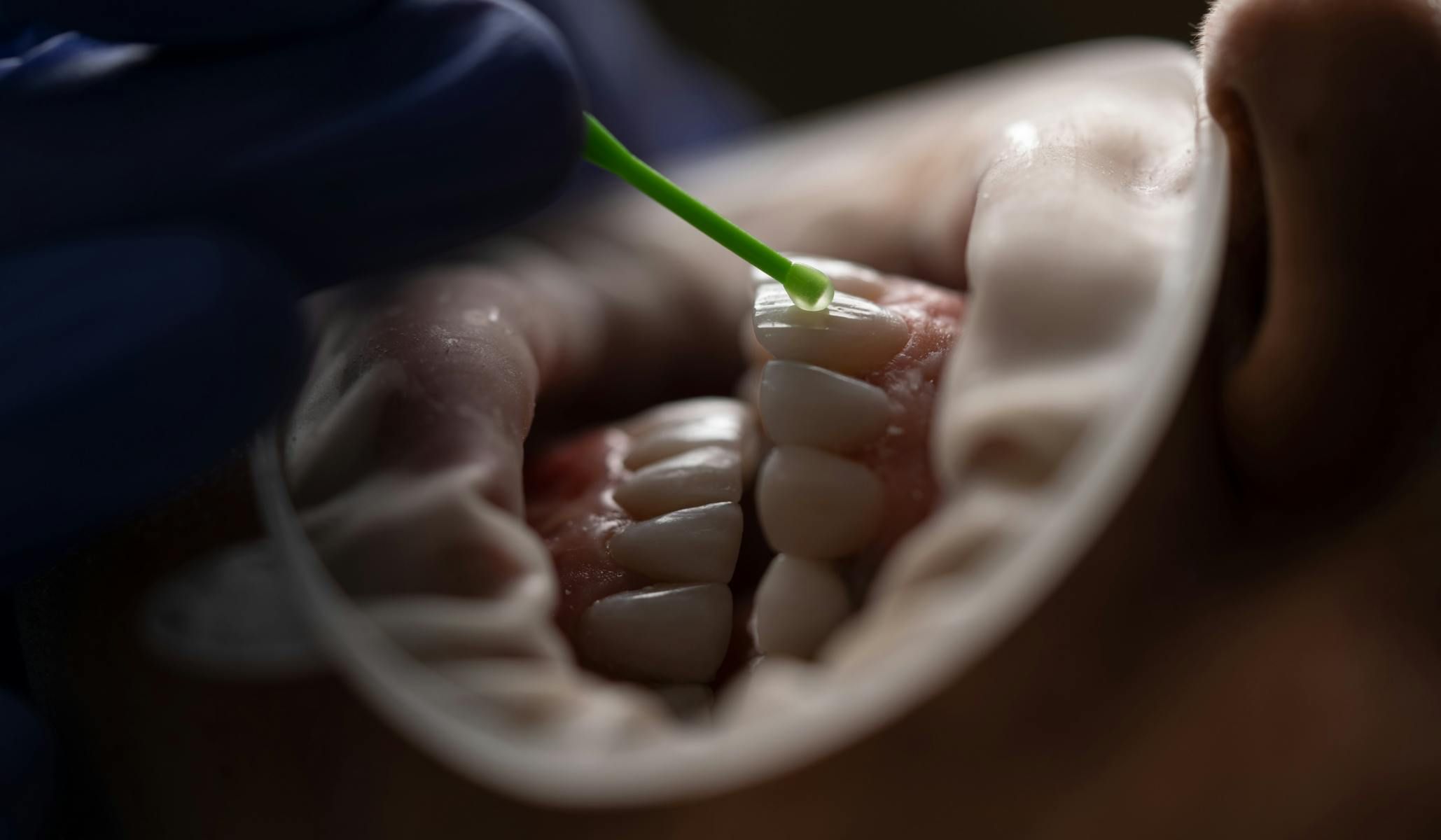
What is a dental crown?
A natural dental crown is the visible part of the tooth that is above the gum line. This is made of enamel, a hard layer that protects the tooth. If the natural tooth crown is damaged by tooth decay, accidents, or other dental diseases, such as a broken tooth, the use of an artificial tooth crown is necessary.
The crown also helps to anchor the artificial crown in the case of a dental implant or denture.
The artificial dental crown is made in a dental lab, based on impressions of the tooth to be treated. It is then placed on the tooth and fixed with dental adhesive or cement. Artificial dental crowns can restore both the function and aesthetics of the damaged tooth by giving it protection, stability and a natural look.
Difference between dental crown and dental bridge
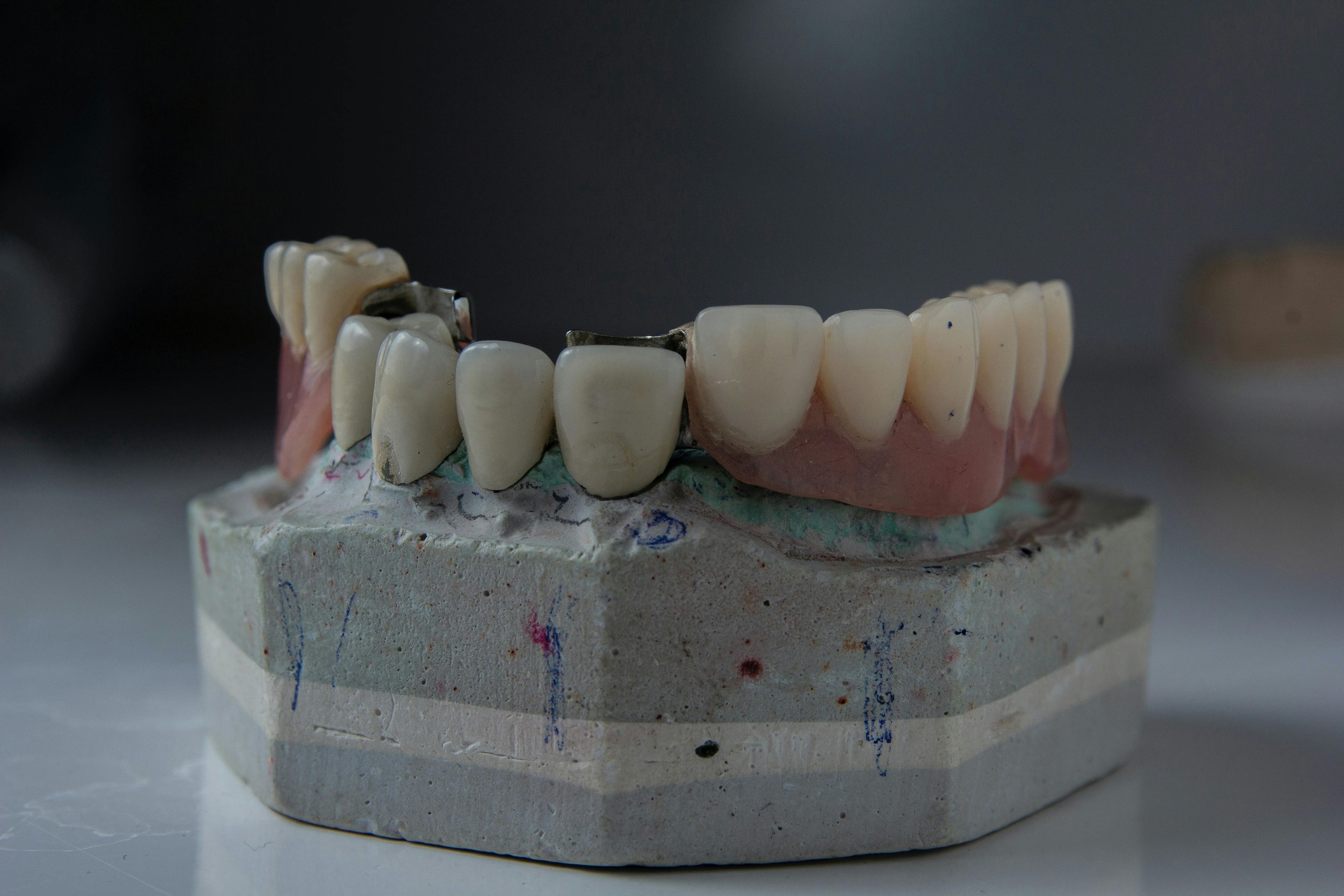
The main difference between a dental crown and a dental bridge is how they are used. Dental crowns cover the entire visible part of the tooth, while bridges use two or more crowns to bridge the gap created by missing teeth. In contrast, dental crowns are used for individual teeth. In terms of material selection, dental bridges can only be made from porcelain-fused-to-metal, while dental crowns are made from a variety of materials including metal alloys, composite resin and ceramic.
Difference between a dental crown and a dental bridge
The main difference between a dental crown and a dental bridge is how they are used. Dental crowns cover the entire visible part of the tooth, while bridges use two or more crowns to bridge the gap created by missing teeth. In contrast, dental crowns are used for individual teeth. In terms of material selection, dental bridges can only be made from porcelain-fused-to-metal (PFM), while dental crowns are made from a variety of materials including metal alloys, composite resin and ceramic.
Types of dental crowns
There are different types of dental crowns that can be chosen according to individual needs. In this section, we take a closer look at the different types of dental crowns.
What is inlay and onlay?
An inlay is a type of dental restoration used to treat cavities or larger defects in the chewing surfaces of the molars or dental fillings. It is an indirect restoration, which means it is made outside the patient's mouth and then placed in the tooth. Inlays are usually made of ceramic, gold or tooth-coloured resin (composite) and offer a good fit and durability.
An onlay is similar to an inlay, but it not only covers the chewing surface of the tooth but also extends over the cusps or edges of the tooth. It is used to repair major damage to the teeth that extend beyond the chewing surface. Onlays are also made outside the mouth and then inserted into the tooth.
What is the difference between a full crown and a partial crown?
The difference between a full crown and a partial crown is the amount of tooth preparation, that is, how much natural tooth is prepared for the crowning. Here is an explanation to clarify the difference:
Full crown
With a full crown, the entire visible part of the tooth is crowned. This means that the tooth is reduced to a conical shape to make room for the crown. The full crown encases the entire tooth and is placed on the tooth stump. Full crowns are used in cases where the tooth is badly damaged, badly worn or weakened by root canal treatment. They provide a high degree of stability and are long-lasting.
Partial crown
Unlike a full crown, a partial crown only covers part of the tooth. The preparation of the tooth for a partial crown is less extensive than for a full crown. Only the damaged or weak part of the tooth is removed, while healthy tooth structures are preserved. A partial crown provides protection for the affected area of the tooth and allows as much natural tooth structure as possible to be preserved. Partial crowns are often used when the tooth has a larger defect that cannot be treated by fillings or inlays alone.
The main difference between a full crown and a partial crown is therefore the extent to which the tooth is preserved. While a full crown involves crowning the entire tooth, a partial crown involves preparing and crowning only the affected part of the tooth. The choice between a full crown and a partial crown depends on the specific situation of the tooth, the extent of the damage and the patient's aesthetic goals.
Metal-ceramic crown
A metal-ceramic crown, or metal crown, is made of a metal alloy covered with a ceramic veneer. This type of crown combines the strength and durability of metal with the aesthetic effect of ceramic. The metal framework forms the internal structure of the crown and provides strength, while the ceramic veneer is applied to create a natural tooth colour. Metal-ceramic crowns are known for their high strength and long-lasting durability. They are often used in the back teeth where stability and functionality are particularly important.
All-ceramic crown
An all-ceramic crown, also known as a ceramic crown or zirconia crowns, is made entirely of ceramic materials without a metal framework. These crowns are characterised by their high aesthetics, as they have optimal translucency and look similar to natural teeth. All-ceramic crown is therefore a popular choice for the front teeth, where aesthetics play an important role. The ceramic crown can also be used when the gums are receding. For severely discoloured teeth, this crown also offers help as it can cover the discolouration.
Veneer crown
A veneer crown, on the contrary, consists of a metal framework covered with a tooth-coloured ceramic veneer. This crown is often used for aesthetic reasons. Veneered crowns offer a good balance between strength and aesthetics and are often placed on the visible area of the tooth, such as the incisors.
Full-cast crown
Full-cast crowns are made of gold alloys or other precious metal alloys, for example. This is why this type of crown is also called a gold crown. This crown has high strength and long durability, which makes it ideal for restoring molars (back molars) and premolars (front molars) that are exposed to high stress. Although all-cast crowns are not particularly popular in terms of aesthetics, they offer excellent fit and functionality.
Crown materials
There are a variety of materials used to make dental crowns that offer different benefits to the patient.
Porcelain crowns offer a natural-looking restoration that blends seamlessly with the colour and texture of the surrounding teeth.
Crowns made of metal alloys such as gold, silver or palladium are extremely durable and resistant to wear and tear.
Finally, composite resin crowns offer the greatest flexibility in terms of shape, making it easy for dental technicians to customise the restoration to the patient's individual needs.
Regardless of which filling material is chosen, all dental crowns must be made with precision and accuracy to ensure the best possible outcome for the patient.
Dental crown procedure
The treatment procedure is called crowning. During treatment at the dentist’s office, the crown is placed over the entire visible portion of the tooth.
Crowning involves removing a small amount of enamel to make room for the artificial crown. The tooth is then prepared by a dental technician to achieve an ideal shape and size for the crown. An impression of the prepared tooth is taken to create the custom crown in the dental laboratory. Until the permanent crown is ready, a temporary provisional is placed on the tooth to protect it. The temporary crown is usually made of plastic.
After the custom-made crown is made, it is cemented or attached to the prepared tooth with a special adhesive. To ensure that the crown does not interfere with chewing, it is ground to fit the tooth structure perfectly.



 Nutrition & Lifestyle