Poor dental hygiene is the most common cause of diseased teeth
Poor dental hygiene should not be taken lightly! If you don't brush, floss and rinse your teeth as regularly as you should, it can lead to tooth infections. Yet many people neglect basic tooth brushing and flossing routines. If you're not careful, poor oral health often leads to diseased teeth and bleeding gums caused by bacteria and plaque. This decay can attack tooth enamel and lead to tooth decay, which can cause pain and sensitivity if left untreated. If you take just a few minutes to brush your teeth twice a day and also floss regularly, you can easily avoid this pathway!
Peritonitis and bad teeth
Peritonitis, a form of gum disease, is a serious health condition that can lead to bad teeth if left untreated. Peritonitis occurs when bacteria build up and infect the gum line. The infection causes inflammation of the gum tissue, which can lead to pain, bleeding and even tooth loss. If you suffer from peritonitis, it can cause your teeth to weaken because they have no support from healthy gums. In addition, peritonitis often leads to plaque build-up on the teeth' surface, leading to tartar and tooth decay. Without proper treatment, periodontitis can develop into periodontal disease, which further damages your dental health by attacking the bone that supports your teeth, leading to even more serious consequences for your oral health. Periodontal disease can also affect your overall health if the bacteria enter your bloodstream. In the worst cases, the infection damages the body through nerves and blood vessels. The body secretes substances to fight this inflammation. In chronic inflammation, the bacteria enter the bloodstream in a similar way to tooth decay. Persistent chronic inflammation can also put a strain on your immune system.
Sugary and acidic foods
We all know that sugary and acidic foods are bad for our teeth, but did you know that they can attack and weaken tooth enamel, leading to tooth decay? Sugary snacks create an ideal environment for bacteria to form acids that damage the protective layer of tooth enamel. Even healthy, acidic foods like citrus fruits cause dental problems if eaten too often or not accompanied by good oral hygiene.
Teeth grinding
Have you ever woken up with a sore jaw or toothache? Maybe you've been grinding your teeth at night and didn't even realise it. Unfortunately, teeth grinding is not just an annoying sleep habit, it can also lead to serious dental disease. Over time, the constant force of grinding can wear away tooth enamel and lead to chipping, fractures and even tooth loss. In addition, grinding puts pressure on your gums and can lead to gingivitis. Read more about teeth grinding here.
Cigarette or other tobacco use
Smoking has many unpleasant health consequences, one of which is how it affects your mouth. Smoking cigarettes or other tobacco products can not only cause stinky breath and a bad taste in the mouth, but it can also stain your teeth a severe yellow, which can drastically lower your self-confidence. It can damage your dental health even further by increasing the risk of gingivitis, inflaming and hurting your gums, and possibly leading to tooth loss or jawbone deterioration if not treated in time.
Various medications
No one likes bad breath, but if you are taking certain medications, you may experience an unpleasant odour coming from your mouth. This is because some medications can cause dry mouth, which is an important part of the recipe for plaque formation. In short, a dry mouth means more plaque, which leads to tooth decay and gingivitis. So if you are taking certain medications and find that you suddenly have a dry mouth, make sure you brush your teeth twice a day, floss regularly and drink plenty of water to rinse away excess bacteria. With the right preventative measures, you can keep bad breath at bay, no matter what medication you take!
What is a dead tooth?
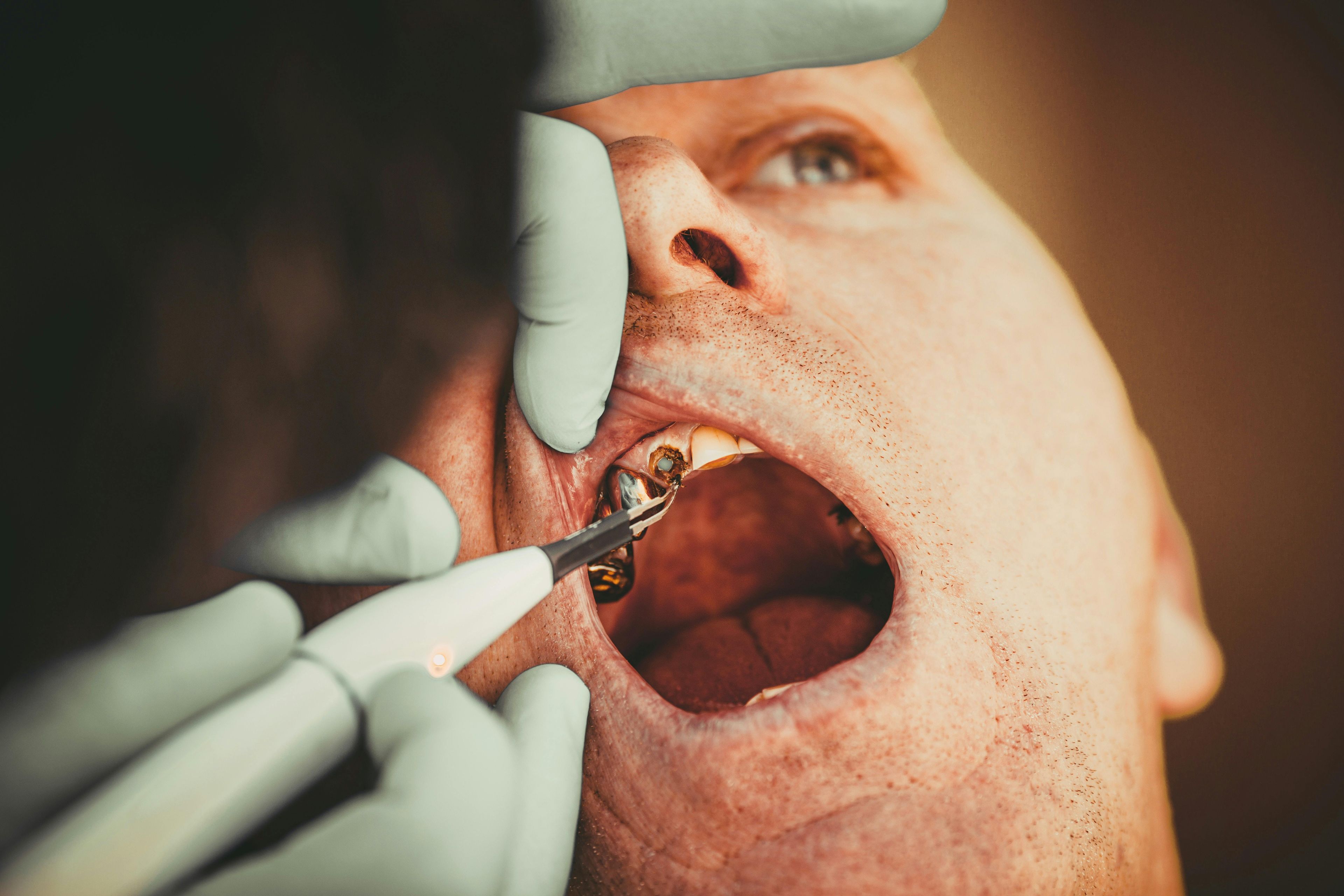
A dead tooth is a tooth that has lost its blood supply and nerve due to an injury or decay. It may have a yellowish-grey colour and feel loose because the ligaments that hold it in place have weakened. In some cases, a dead tooth can cause pain if there is an infection. Treatment for a dead tooth usually involves removing the infected area of the pulp and root canal treatment to restore the tooth and root to health. If left untreated, a dead tooth can lead to serious complications such as abscesses or gum disease.
Consequences of dental diseases
The consequences of dental disease can be far-reaching. Untreated tooth decay and other dental diseases can lead to an increased risk of infection, inflammation, rheumatism and other serious health problems for the whole body. Poor oral hygiene can lead to chronic pain and difficulty eating and speaking. In pregnancy, diseased teeth can also lead to premature birth in the worst-case scenario. During pregnancy, the blood supply to the tooth tissue increases, making it more susceptible to infection.
Dental diseases and health problems can promote the development of heart disease because of the connection between the mouth and the body. When a person suffers from gum disease, bacteria can be released from the gum pockets, which can lead to inflammation throughout the body. This inflammatory response can also affect the cardiovascular system, making it difficult for the body to keep cholesterol levels under control. This increases the risk of developing heart attacks or strokes. Untreated plaque and tartar can also build up in other vascular systems of the body and promote the formation of blood clots, which in turn increases the risk of a heart attack. So it is very important to see a dentist regularly to detect infections early and thus minimise the risk of more serious diseases. For people with certain underlying health issues, it is especially important to keep an eye on their oral hygiene to avoid serious consequences for their general health.
Treating bad teeth
Taking care of sick teeth can be a daunting task, but it's important to remember that there are treatments available to help you get your oral health back on track. With the right treatment options and regular checkups, you can restore your smile and avoid dental treatment at an early stage. Here are some tips for treating diseased teeth: Daily brushing your teeth with fluoride toothpaste, floss daily, using mouthwash, eat a healthy diet low in sugar and processed carbohydrates, avoid smoking and other tobacco products, and drink plenty of water throughout the day. If you take these measures and have regular dental checkups you can ensure that your teeth stay healthy and you can enjoy a beautiful smile for many years to come!



 Nutrition & Lifestyle