Back to overview
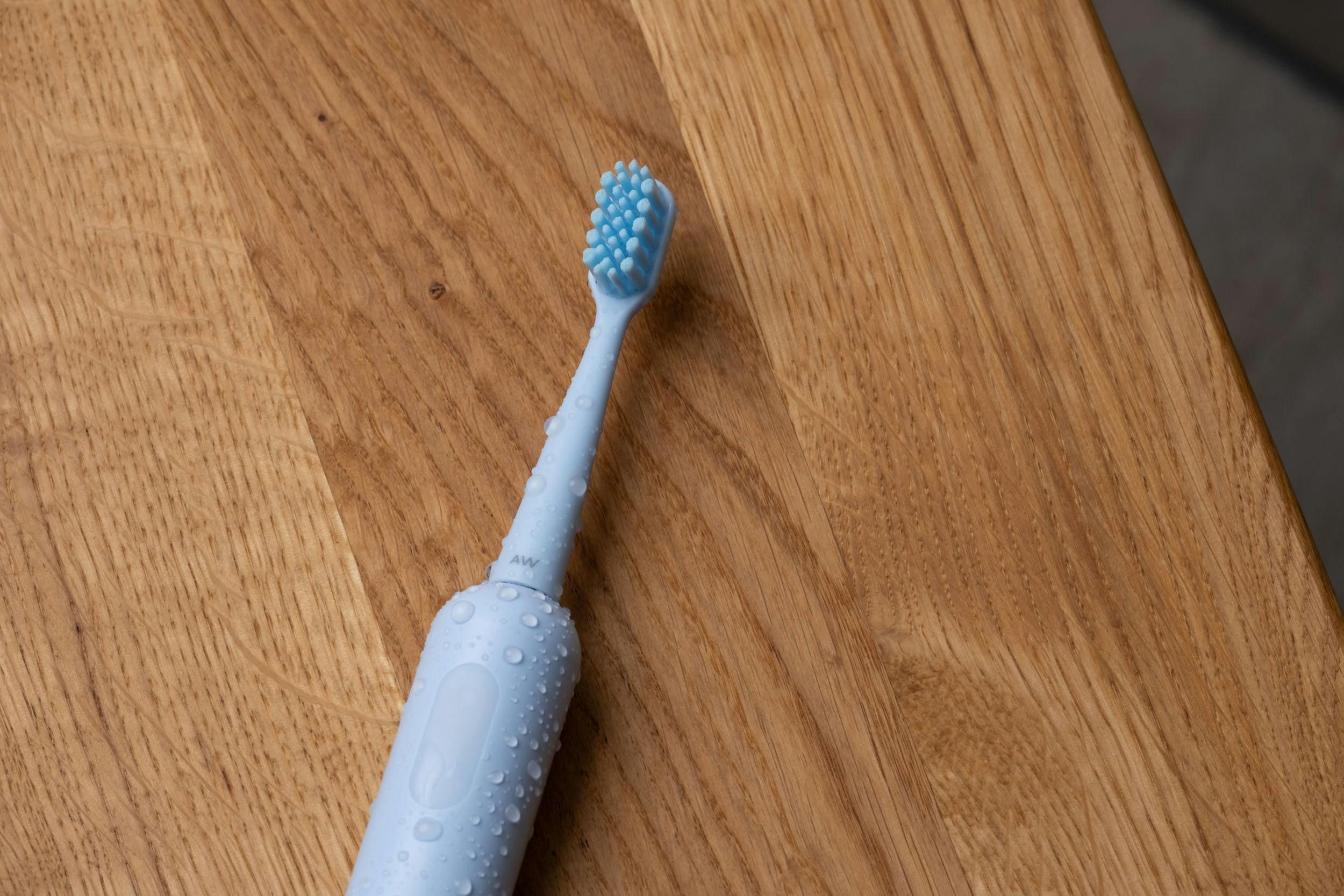
Light blue electric toothbrush with water droplets on a wooden table

Electric or manual toothbrush?

Oral Care26 Nov 20246 min read

Choosing between an electric toothbrush and a manual toothbrush depends on your individual needs. Both have their advantages, and there are some differences that can help you decide. Here you will find a detailed comparison to help you find the best option for you.


Andrea Seraina

Andrea Seraina

Dental Content Specialist

Manual toothbrush: the classic approach

The classic manual toothbrush has been a fixture of daily oral hygiene for decades. It is easy to use and ideal for anyone who wants to stick to their own brushing technique.

Advantages:

  • Affordable: Manual toothbrushes like the one from ALPINE WHITE are inexpensive and available everywhere. At a price of CHF 4.90, we offer a sustainable toothbrush that is one-third wheat starch.
  • Sustainability: Our manual toothbrush reduces plastic waste and has an environmentally friendly design.
  • Flexibility: You decide the brushing motion and the bristle hardness yourself (we recommend soft bristles).
  • Gentle: Used correctly, it protects the tooth surface and the gums.

Challenges:

  • Requires a good brushing technique to clean effectively.
  • Difficult to reach hard-to-access interdental spaces.
  • Not always as thorough as an electric toothbrush, especially with stubborn deposits.
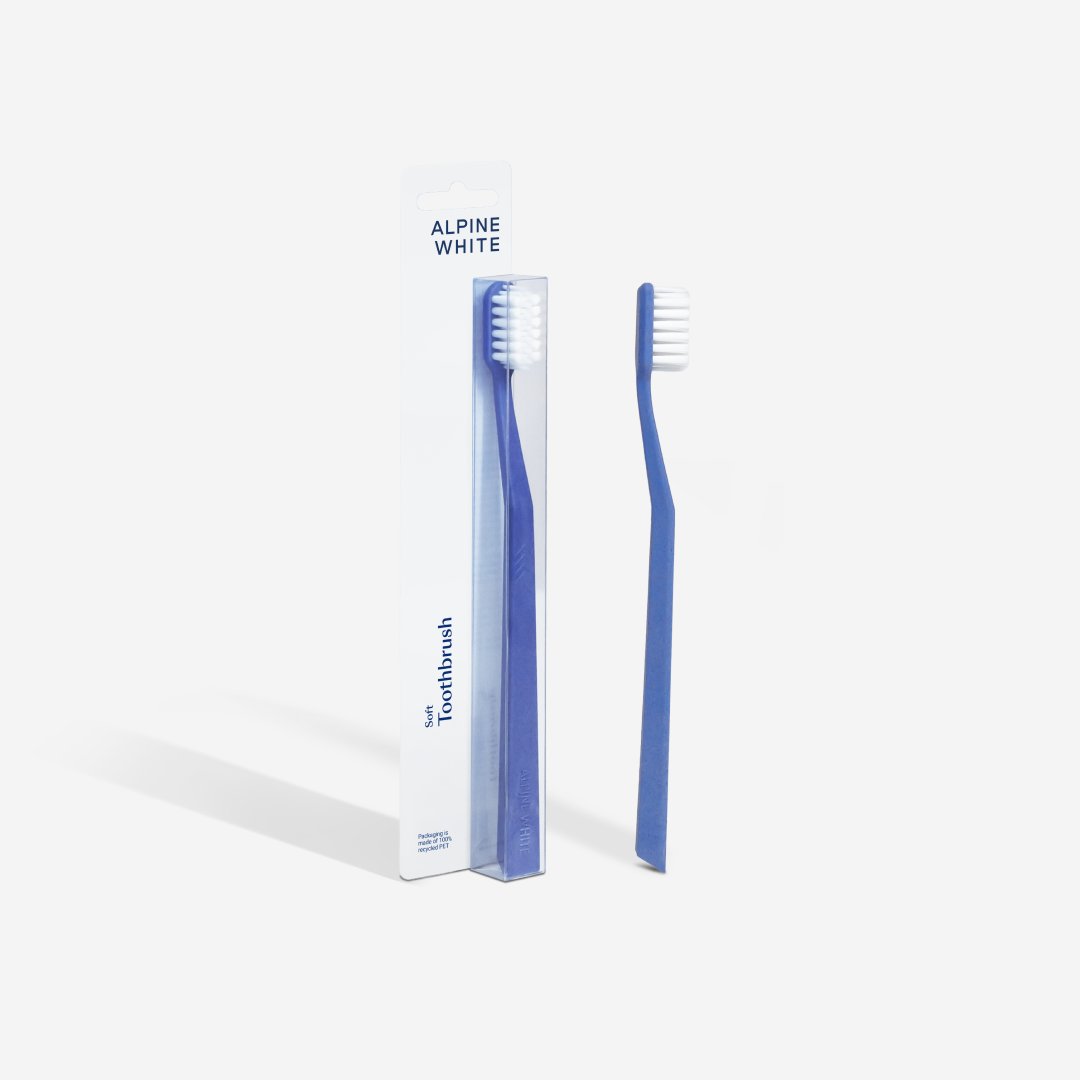
ALPINE WHITE Soft Toothbrush in blue next to its packaging
4.6(43)

Toothbrush

CHF 4.90

1 pc • CHF 4.90

Learn more

Electric toothbrushes: technical progress

Electric toothbrushes such as our Sonic Toothbrush make it easier to clean your teeth effectively. They are often the better choice, especially for people whose brushing technique is limited.

Advantages:

  • Effective cleaning: The Sonic Toothbrush from ALPINE WHITE reaches up to 80,000 vibrations per minute and removes up to 86% more plaque.
  • Simplicity: Thanks to automated brushing motions, you have to do less manual work, which makes cleaning easier.
  • Less gum inflammation: Our sonic technology reduces inflammation by up to 92%.
  • Time management: Automatic shut-off after the recommended brushing time helps you brush for the right length of time.
  • Kind to enamel: Soft bristles with rounded tips are especially gentle on sensitive tooth necks.

Challenges:

  • Cost: Electric toothbrushes are more expensive to buy. The Sonic Toothbrush costs CHF 129.90 but offers excellent value for money.
  • Dependence on power: The battery needs to be charged regularly.

Why electric toothbrushes are often the better choice

Electric toothbrushes, especially sonic toothbrushes and oscillating toothbrushes, clean more thoroughly than the classic manual toothbrush. Thanks to their rapid movements, they clean the tooth surface efficiently and remove stubborn deposits that are hard to get rid of with a classic manual toothbrush. The technology behind sonic toothbrushes or ultrasonic toothbrushes makes it possible to reach even the chewing surfaces and hard-to-reach gaps more easily, which significantly reduces the risk of tooth decay. With features such as a round brush head and precise oscillating movements, they achieve results that, according to dentists and dental professionals, come close to a professional teeth cleaning. If you value particularly gentle care, electric toothbrushes are not only more effective but often also kinder to enamel than natural bristles.

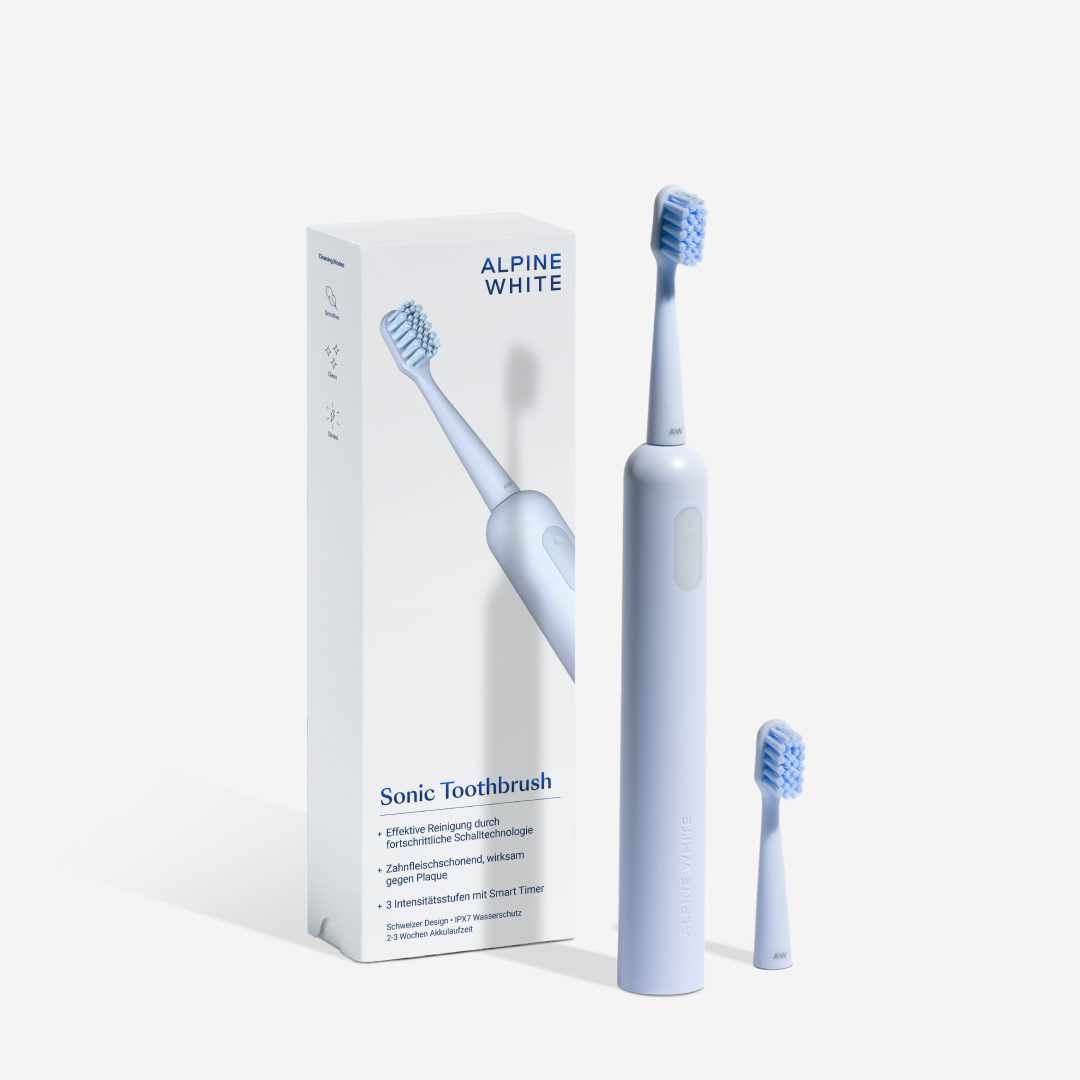
Sonic Toothbrush next to its packaging and a replacement brush head against a light background
4.7(36)

Sonic Toothbrush

CHF 99.90

1 pc • CHF 99.90

Learn more

Cost and sustainability

The manual toothbrush is the more affordable choice. It is inexpensive to buy, and you can replace it easily. Our sustainable manual toothbrush from ALPINE WHITE is one-third wheat starch, which makes it particularly environmentally friendly. That makes it ideal for anyone who values sustainability.

The electric toothbrush, such as our Sonic Toothbrush, costs more to buy but offers excellent value for money in the long run. The brush heads need to be replaced regularly, much like a manual toothbrush, which adds extra costs. In return, it scores with its durability and more thorough cleaning.

Cleaning effectiveness

When used correctly, the manual toothbrush can ensure thorough cleaning. What matters is that you master the right brushing technique. You should brush your teeth in small circular motions and make sure you also clean hard-to-reach areas such as the interdental spaces. The right bristle hardness also plays an important role here. ALPINE WHITE recommends soft bristles to protect the tooth enamel and the gums.

The electric toothbrush makes cleaning much easier, especially for those who struggle with technique. Our Sonic Toothbrush delivers up to 80,000 vibrations per minute and reaches hard-to-access areas with ease. It removes up to 86% more plaque than a manual toothbrush and reduces gum inflammation by up to 92%. It is a gentle and effective choice, especially for sensitive tooth necks or exposed dentine.

Ease of use

The manual toothbrush requires more control and attention while brushing. You are responsible for the brushing motion and the duration. If you do not use the right technique or do not brush for long enough, the result can suffer.

The electric toothbrush, on the other hand, makes brushing easier. The automatic oscillating movements or sonic technologies do much of the work for you. The Sonic Toothbrush even signals when the recommended brushing time has been reached and switches off automatically. This saves time and ensures a good result.

Protecting gums and enamel

With the manual toothbrush, a lot depends on your brushing technique. Too much pressure or bristles that are too hard can injure the gums and damage the tooth enamel. Soft bristles, like those used by ALPINE WHITE, reduce this risk.

The electric toothbrush is particularly gentle. Our Sonic Toothbrush has rounded bristles that minimise the risk of injury. It also allows even cleaning, which is a real advantage if you have sensitive gums.

Cleaning between the teeth

The manual toothbrush can only reach hard-to-access areas to a limited extent, which is why you should always also use dental floss or interdental brushes to thoroughly clean the interdental spaces.

The electric toothbrush has clear advantages here. The vibrations of the Sonic Toothbrush create a hydrodynamic effect that cleans even hard-to-reach areas. This ensures more thorough cleaning without any extra effort.

Time management

With a manual toothbrush, there is a risk that you brush either too briefly or for too long. The recommended brushing time is two minutes – 30 seconds per quadrant.

The Sonic Toothbrush takes away this uncertainty. It gives you a signal when you have completed the time for one quadrant and switches off automatically after three minutes. This ensures that you brush neither too briefly nor for too long.

Our recommendation

If sustainability and control are important to you, the manual toothbrush is an excellent choice. Our sustainable manual toothbrush from ALPINE WHITE combines elegant design with environmentally friendly materials and is perfect for when you are on the go.

However, if you want particularly thorough and comfortable cleaning, we recommend the Sonic Toothbrush. It offers state-of-the-art technology that takes your oral hygiene to the next level. It is the better choice especially if you have sensitive gums, exposed tooth necks or a tendency towards gum inflammation.

Final thoughts

Whether you choose the manual toothbrush or the electric toothbrush, good oral hygiene takes more than just the right toothbrush. Complete your routine with a fluoride toothpaste, regular use of dental floss and visits to us at the studio.

ALPINE WHITE offers both options, perfectly tailored to your needs. Choose your toothbrush now and improve your dental care for the long term!
This might also interest you

Hand passes a light blue electric toothbrush, a second hand points at it, grey backgroundOral Care

Why you need an electric toothbrush

In a world where technology plays a role in almost every aspect of our lives, why should we compromise on dental care? The electric toothbrush isn't just another gadget, it's a powerful tool for your oral health. In this article, we'll show you why switching to electric is a good decision you can make for sparkling white teeth.

Two smiling women against a white background, one in green top, the other in beige jacketDental Hygiene

Dental hygiene explained

Dental hygiene is necessary from both a cosmetic and a medical point of view. Cosmetically, it is about removing discolouration and enabling good oral health. But dentistry is also important for your general health. Dental prophylaxis serves to preserve dental health. Because your teeth can be preserved much longer through regular check-ups.

Man lifts his upper lip with a finger and looks to the side, against a light grey backgroundDental Health

The Importance of a Healthy Oral Mucosa

The oral mucosa is an essential part of your oral cavity. It covers the floor of the mouth, gums, hard and soft palate, as well as the back and underside of the tongue. Your mucosa not only protects the underlying tissue but also supports your oral hygiene and contributes to a healthy mouth feel. But what happens when mucosal changes occur, and how can you prevent them? In this blog post, we take a closer look at the mucosa, typical diseases, their causes, and the importance of proper care.