The role of bacteria in the mouth
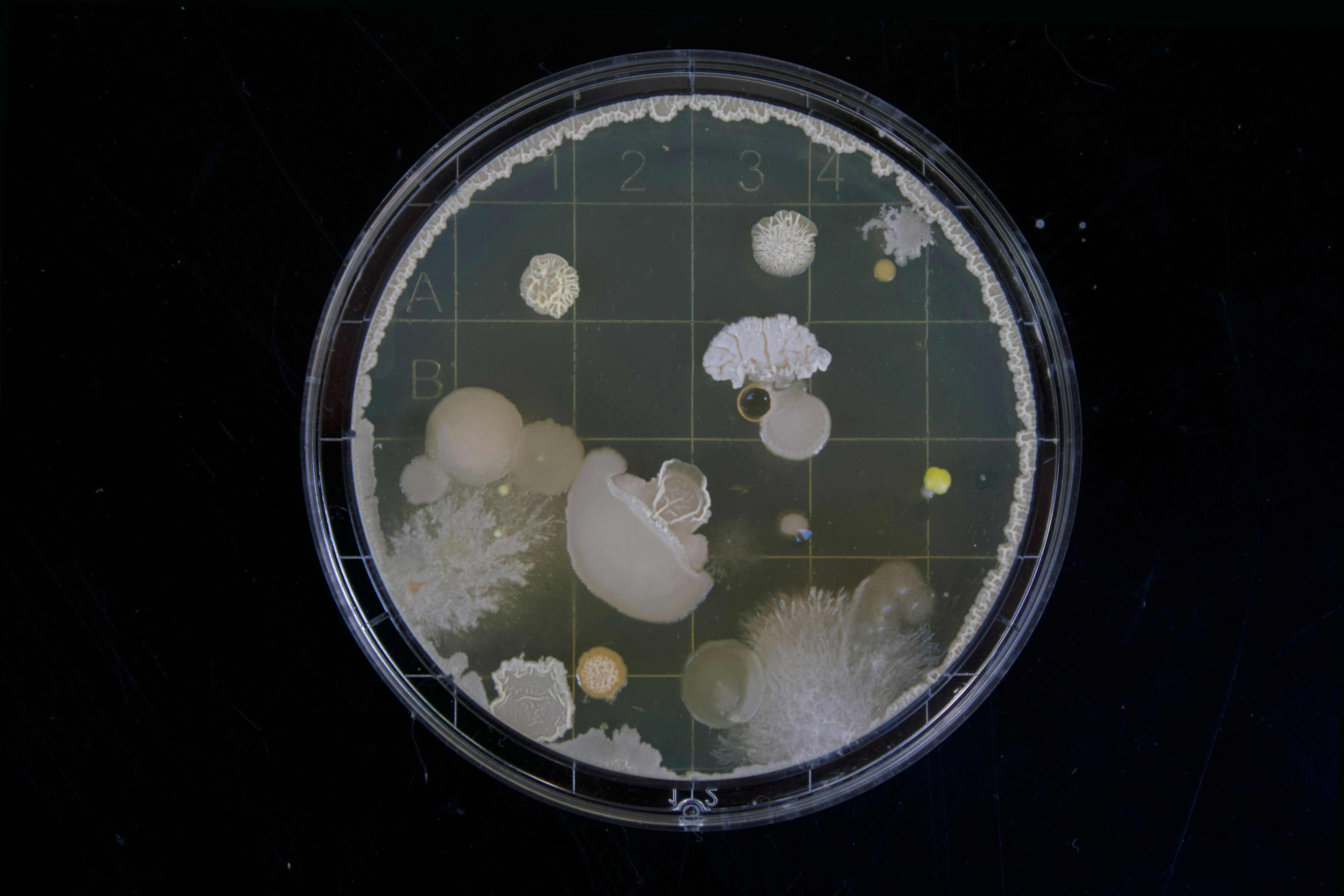
Your mouth is a fascinatingly complex ecosystem in which hundreds of species of bacteria coexist. Most of these microorganisms are harmless or even beneficial and support essential functions such as digestion and protection against pathogenic invaders. However, some bacteria, particularly Streptococcus mutans, can cause significant damage if not effectively controlled. They are the main cause of tooth decay and periodontitis, two of the most common dental diseases worldwide, which can attack the tooth surface and deeper structures such as the tooth root and surrounding jawbone.
Oral flora: a game of balance
Oral flora is made up of a variety of bacteria that live in a delicate balance. An imbalance, often caused by poor oral hygiene or dietary factors, can lead to overgrowths of harmful bacteria that promote bleeding gums and other forms of inflammation of the gums such as gingivitis. If left untreated, such inflammation can progress to periodontal disease, a more serious condition that can lead to tooth loss.
Dental diseases: A creeping danger
Dental diseases often begin unnoticed and initially only manifest themselves through minor symptoms such as mild toothache. However, these can quickly become a serious problem. Pain in the mouth is a warning signal from your body that can indicate various problems - from tooth decay and tooth decay to infections of the tooth root. These conditions are not only painful, but also affect the integrity of your tooth structure.
The influence of bacteria
The main cause of many dental diseases is the harmful influence of bacteria that accumulate on the tooth surface and produce acids that attack the enamel. If these bacteria penetrate deeper into the tooth structure, they can lead to inflammation that affects not only the tooth cavities but also the surrounding tissues. In the worst case, such an infection can penetrate the tooth root and from there release bacteria into the bloodstream.
Caries
Tooth decay occurs when caries bacteria convert sugar and starch from our food into acids. These acids attack the enamel, the hard protective layer of your teeth. Without sufficient care, this leads to demineralisation of the enamel, which can result in small cavities or fillings. Regular brushing with a fluoride toothpaste can work wonders here, as fluoride helps to remineralise and strengthen the enamel.
Periodontitis
Another serious threat is periodontitis, an inflammation of the periodontium that can lead to tooth loss if left untreated. The disease often begins with a seemingly harmless inflammation of the gums. However, if bacteria get into the gum pockets, they can cause deep inflammation that attacks the jawbone and jeopardises the stability of the teeth.
Health consequences
Once bacteria enter the bloodstream, they can cause various health problems. In pregnant women, for example, this can lead to premature births, as the infection triggers a systemic reaction in the body. But even non-pregnant people are not exempt from potential risks; an advanced infection can favour cardiovascular disease and other serious conditions.
Prevention
However, the best strategy against dental diseases is prevention. A balanced diet, low in sugar and acids, supports dental health, as do regular dental check-ups and professional dental cleanings. By making these practices an integral part of your daily routine, you can significantly reduce the risk of dental disease and maintain healthy teeth and a bright smile in the long term.
Prevention through oral hygiene
The key to preventing dental diseases lies in consistent oral hygiene. This includes brushing your teeth twice a day, using dental floss or interdental brushes to clean the spaces between your teeth, and regular visits to your dentist for a professional dental cleaning (PZR).
Dental floss: your tool against plaque
Dental floss is essential to effectively remove plaque that builds up between the teeth. These interdental spaces are often a breeding ground for bacteria as they are harder to reach and are often not cleaned sufficiently by the toothbrush.
Professional teeth cleaning: Not just clean, but pure
Professional teeth cleaning not only removes tartar and plaque, but also enables early signs of dental disease to be recognised and treated. A professional dental cleaning also thoroughly cleans the tooth necks and molars, areas that are particularly susceptible to problems.
Diet: your daily contribution to dental health
A healthy diet plays an important role in maintaining healthy teeth. It is best to eat foods that are rich in vitamins and minerals, which not only support the health of the gums but also the regeneration of tooth enamel. Sugary and acidic foods, on the other hand, should be avoided so as not to give the bacteria in your mouth even more "food".



 Oral Care