The most common causes of white gums
White gums can be caused by a variety of factors. The most common causes are:
Gum disease: The silent enemy of your gums
Gingivitis and periodontitis are two of the most common gum diseases that can lead to white gums. Gingivitis is the early stage of gum inflammation caused by the build-up of plaque and tartar. If these are not removed, the condition can develop into periodontitis, a more serious form of gingivitis that can attack the jawbone. Both conditions can irritate the gums and lead to discolouration. Therefore, regular teeth cleaning is essential to maintain healthy gums.
Fungal infections: The invisible invader
Oral thrush is a fungal infection caused by the yeast Candida. This infection can manifest as whitish plaques on the gums and other parts of the mouth. Oral thrush often occurs in people with a weakened immune system and can be made worse by poor oral hygiene. Treatment is usually with antifungal medication.
Irritation: The irritating factor
Braces, dentures and even ill-fitting fillings can irritate the gums and cause irritation and discolouration. If you wear braces or dentures, it is important to clean them regularly and watch for signs of infection. Poorly fitted fillings should be corrected as soon as possible to prevent further problems.
Diet and lifestyle: the underestimated factors
Tobacco use, acidic food and drink can erode tooth enamel and affect the gums. Food debris and bacteria can also irritate the gums. It is therefore important to maintain a balanced diet and healthy lifestyle to protect your dental health.
Other factors: The unknown variables
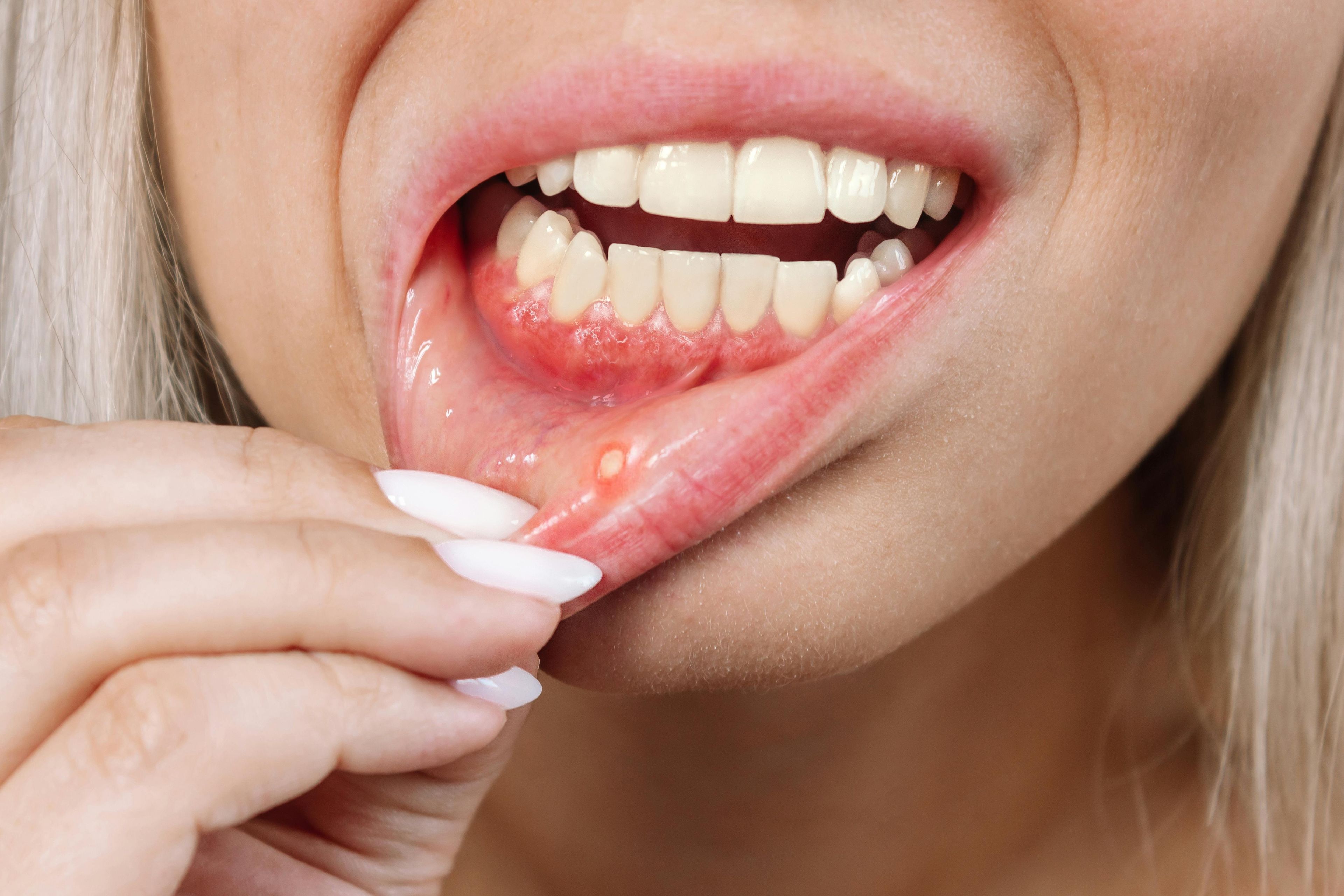
Aphtae, small painful ulcers in the mouth, can also cause white gums. These can be triggered by stress, certain foods or hormonal changes. Hormonal changes, such as those that occur during pregnancy or menstruation, can also affect the gums and cause discolouration.
Symptoms and accompanying conditions: More than just a colour change
White gums are often just the tip of the iceberg when it comes to symptoms and accompanying conditions. In addition to the noticeable discolouration, other signs can include bleeding gums, bad breath and irritation in the mouth. Bleeding gums are particularly worrying as they can be an early sign of gum disease such as gingivitis. Bad breath, medically known as halitosis, can also be an indicator of poor oral hygiene or an underlying disease.
In more severe cases, white patches or even leukoplakia may occur. Leukoplakia is a thickening of the oral mucosa that occurs in response to chronic irritation. Although it is usually harmless, in rare cases it can be a sign of cancer. Therefore, it is important to see an expert immediately if you experience such symptoms.
When is a denture necessary?
In extreme cases where the gums are irreparably damaged, dentures may be necessary. Modern dentures and fillings are comfortable and natural looking, so you can show off your smile without worry.
The key to healthy gums
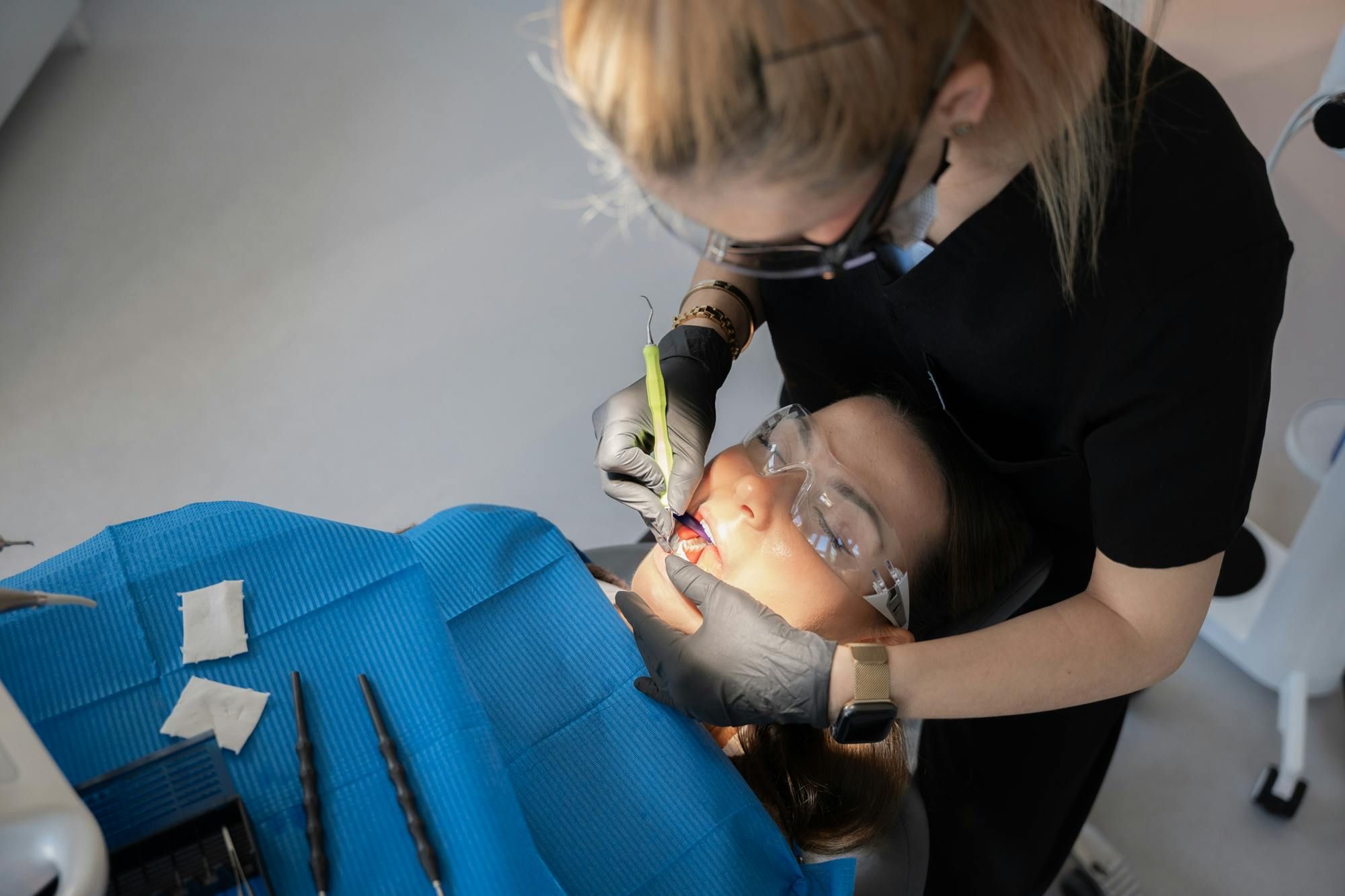
The correct diagnosis is the first step to effective treatment and a healthy smile. During your first appointment at the ALPINE WHITE Studio, our qualified team will perform a comprehensive dental cleaning. This will remove plaque and tartar, which are often the main causes of gum problems.
If your problems persist despite professional dental hygiene at the ALPINE WHITE Studio, we have the option of referring you to a dentist we trust. There, further diagnostic steps such as X-rays or blood tests can be taken to determine the exact cause of your discomfort.
Depending on the diagnostic results, the dentist will draw up a treatment plan tailored to your individual needs. For example, if you have gingivitis, special mouthwashes or medications may be prescribed to help reduce the inflammation and restore your oral health to optimal levels. For fungal infections such as oral thrush, antifungal medications are usually used to effectively treat the infection. In more severe cases, such as leukoplakia or other serious conditions, surgical intervention may be required to remove the affected tissue.



 Oral Care