Back to overview
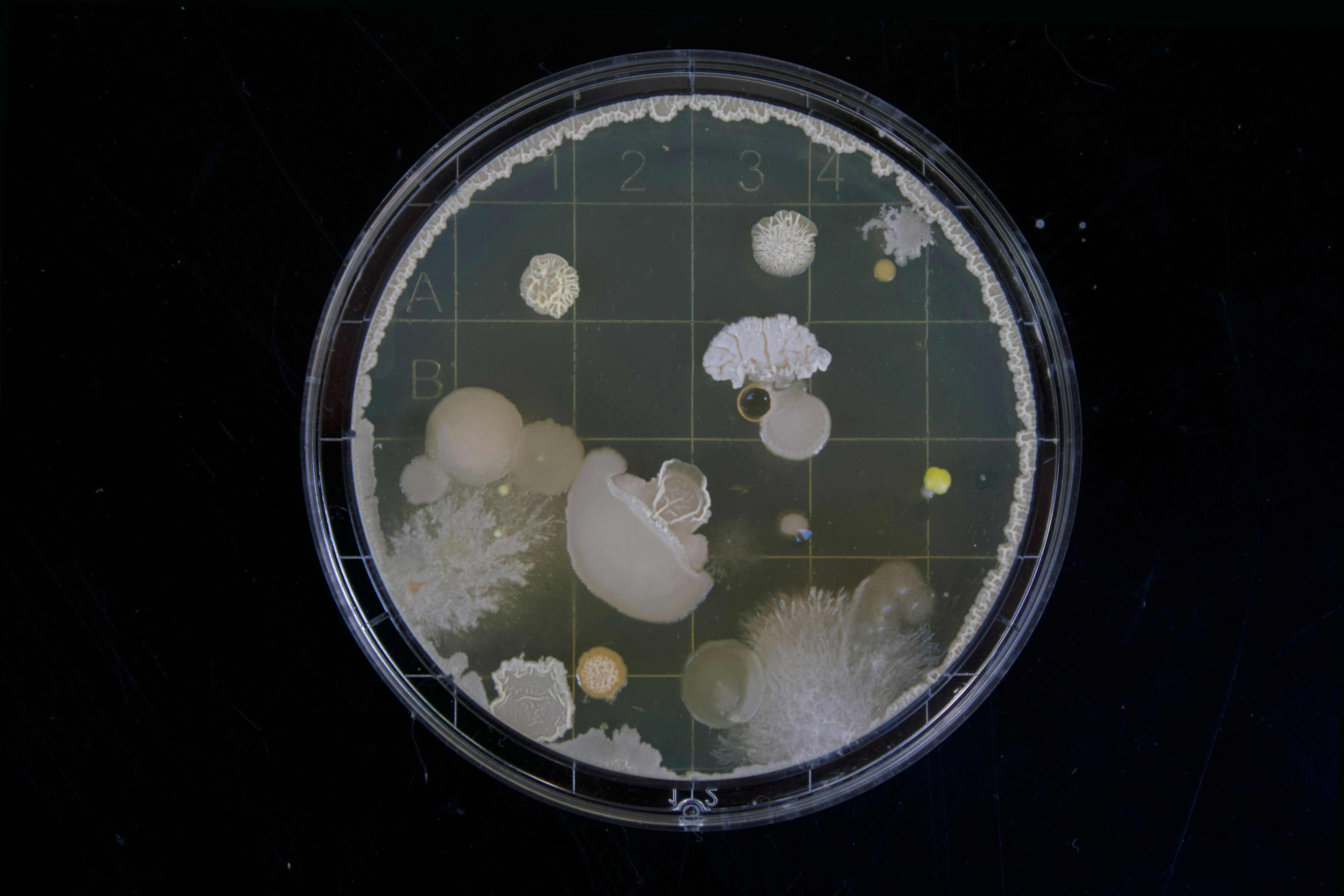
Petri dish with various bacterial colonies against a black background

Dangerous bacteria in the mouth: the invisible threat to your teeth and gums

Dental HealthDec 12, 20234 min read

When we think about oral health, we usually think of cavities, gum disease or bad breath. Behind these common problems often sit harmful bacteria in the mouth. These tiny microbes can affect far more than your teeth, including your general health. Here is what you need to know about them and how to keep them under control.


Andrea Seraina

Andrea Seraina

Dental Content Specialist

How do bacteria in the mouth cause disease?

Your mouth is a complex ecosystem in which hundreds of bacterial species live side by side. Many of them are harmless or even good for your oral health. Others are harmful and can cause real problems. Cavities, gum disease and gingivitis are some of the conditions linked to these bacteria. They feed on food debris between the teeth and along the gums, produce acids that attack the enamel, and trigger inflammation in the gums and the tissue that supports the teeth.

The damage does not stop there. Persistent bad breath, for example, can be a sign that harmful bacteria have built up. Their long-term presence can also put a strain on the immune system, which may affect other areas of your health. There is evidence that changes in the balance of the oral microbiome are linked to conditions such as diabetes and cardiovascular disease. That is why keeping your mouth flora in balance matters for your general health, not just your teeth.

How can you keep harmful bacteria under control?

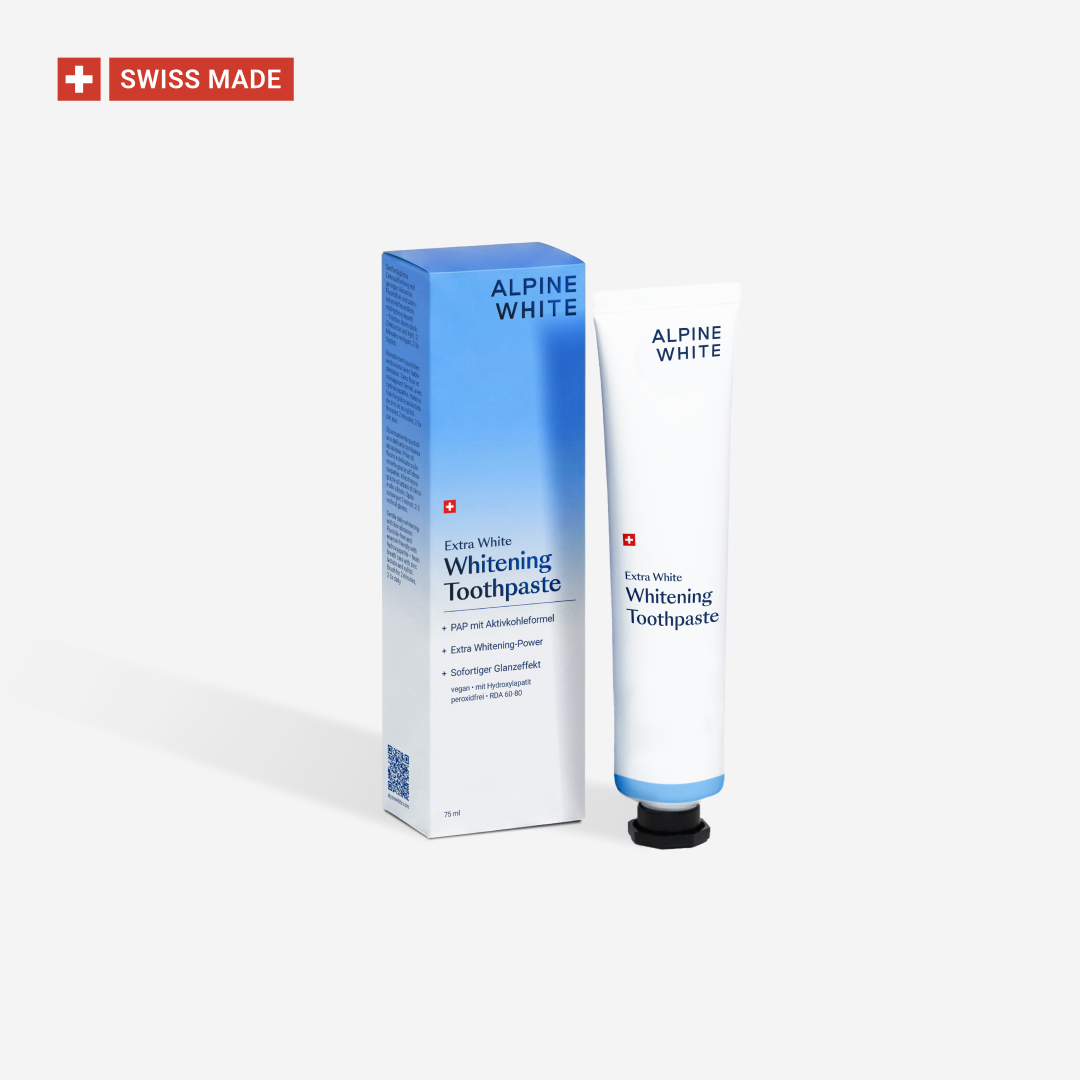
Good oral hygiene is your best defence. The aim is not only clean teeth but also a healthy balance of mouth flora, which lowers your risk of gum inflammation, cavities and gum disease. Brushing daily, ideally after meals, removes plaque and stops harmful microbes building up. A toothbrush with soft bristles protects your enamel and delicate gums, and a fluoride toothpaste helps strengthen the enamel and prevent tooth decay. For daily brushing, try the Alpine White Whitening Toothpaste Extra White.

Folding box and tube ALPINE WHITE Extra White Whitening Toothpaste, “Swiss Made” note
4.7(69)

Whitening Toothpaste Extra White

€ 19.90

75 ml • € 26.53

Learn more

Do not underestimate the spaces between your teeth either. Dental floss and interdental brushes remove food debris and bacteria from places a toothbrush cannot reach. This matters because plaque often forms there, and if it is not removed it can harden into tartar and inflame the gums.

Mouthwash can add extra protection by reaching areas that brushes and floss miss. Some contain antibacterial agents such as chlorhexidine, which helps reduce the number of harmful bacteria in the mouth. However, use these products only after talking to your dentist, and not as a long-term solution, because they can also affect your natural mouth flora.

It also helps to tailor your routine to your own needs. If you have sensitive gums, wear dentures or have a weakened immune system, you may need special products or techniques. A sonic toothbrush can make thorough daily cleaning easier.

Can bacteria from your mouth affect the rest of your body?

Yes, the effects go beyond your teeth. Studies have shown that poor oral health is associated with a range of systemic health problems. Bacteria from the mouth can enter the bloodstream and trigger inflammatory reactions throughout the body. There is evidence that poor oral hygiene may increase the risk of heart disease, stroke and even premature birth.

Why is a professional scale and polish important?

Alongside your daily routine, regular professional teeth cleaning at your dentist or dental hygienist is a vital part of keeping harmful bacteria in check. Brushing at home mainly removes plaque and food debris. A professional clean goes a step further and carefully treats hard-to-reach areas such as the spaces between the teeth and the gum line.

Dental professionals use special instruments to remove tartar, a hardened form of plaque that gives bacteria an ideal surface to grow on. Brushing alone cannot remove tartar. A professional clean is also a chance to examine your whole mouth, including the mucous membranes and gums, so that early signs of gingivitis or developing gum disease can be spotted and treated in good time.

Your dental hygienist can also give you personal advice on improving your care at home, from the right brushing technique to using floss and mouthwash effectively. Every mouth is different, so this tailored guidance is valuable.

Can a bacterial analysis help protect your oral health?

Your mouth flora differs from person to person, so individual solutions are often the most effective. Some dental practices offer an oral microbiome analysis, which gives a detailed picture of the bacteria present in your mouth. Knowing which species are there helps to understand your specific risk of gum disease or cavities, and a care routine can then be adapted to suit. If you notice bleeding gums, pain or persistent bad breath, book an appointment with your dentist.
This might also interest you

Three smiling women in everyday clothes against a light backgroundDental Health

How can cavities be treated?

Cavities are one of the most common dental problems in the world. They affect people of all ages and, if left untreated, can lead to serious trouble. This guide explains how tooth decay develops, how a dentist treats cavities at each stage, and what you can do at home to keep your teeth strong.

Laughing woman with curly hair and hand on her chin, shows her teethOral Care

Air Floss: easy interdental cleaning

Plaque and food debris collect easily between your teeth, which can lead to cavities and gum problems. Traditional string floss and interdental brushes work, but many people find them fiddly and skip them. Air Floss makes interdental cleaning quick and comfortable. It is used by dental hygienists during professional teeth cleaning and is also available for use at home.

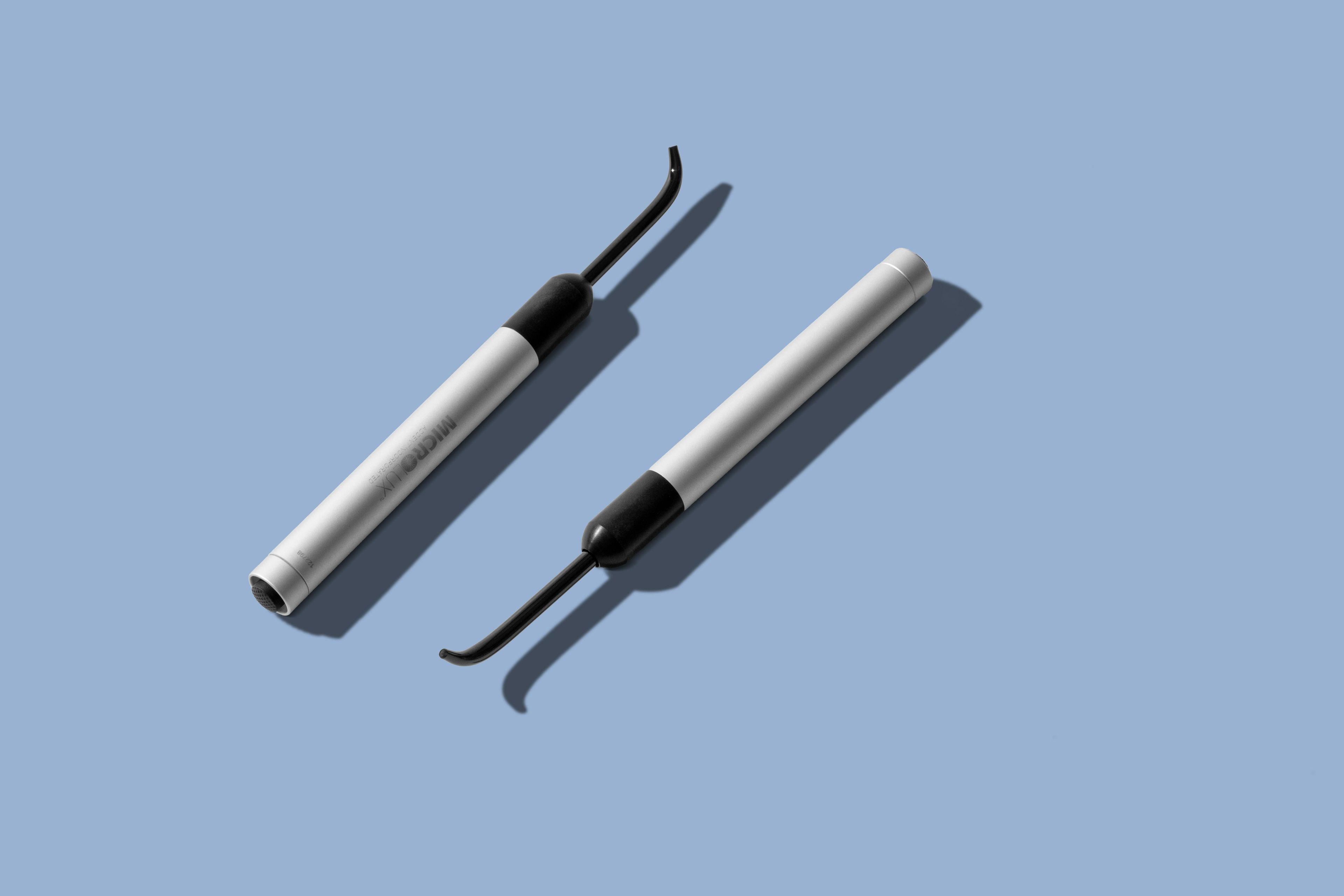
Two silver dental instruments with black tips on a blue backgroundDental Hygiene

Ultrasonic teeth cleaning at the dental hygienist: gentle and pain-free

Looking after your oral health matters, and regular professional teeth cleaning plays a big part. Plaque, tartar, stains and inflamed gums are much easier to prevent when you keep up with your oral hygiene. A visit to the dental hygienist is often the only way to remove stubborn build-up that brushing at home cannot shift. In this article we look at ultrasonic dental hygiene, a gentle and pain-free way to clean your teeth, and at how you can support the results at home.