How does ultrasonic teeth cleaning work?
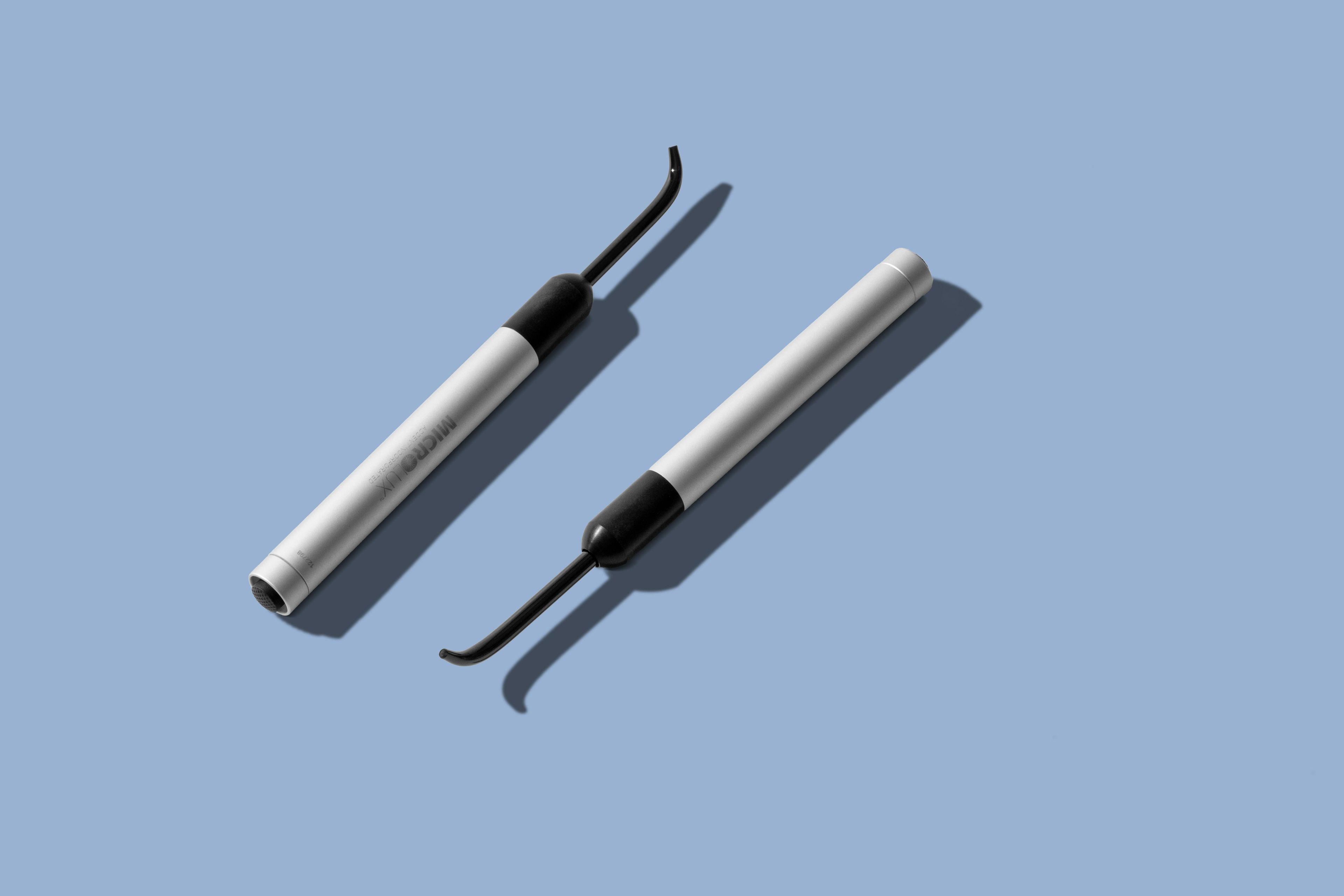
Would you like to know more about ultrasonic teeth cleaning? At the dental hygienist, this method is very effective at removing plaque, tartar and stains from the surface of your teeth. It uses an ultrasonic device together with gentle hand instruments such as the Piezon (the ultrasonic Piezon no-pain method). And the best part? It is painless. Traditional scaling often relies on pressure to remove deposits, whereas ultrasonic cleaning works gently and without pain.
What are the benefits of ultrasonic dental hygiene?
Dental hygienists value ultrasonic cleaning because it helps to calm acute inflammation such as gingivitis and periodontitis. By removing plaque and bacteria from between the teeth, from gum pockets and from hard-to-reach spots, it can help prevent bleeding gums, bad breath and gum disease. Another advantage is that the procedure is gentle and precise, so it is suitable around dental implants, crowns and veneers. Many practices also offer a powder-jet device, known as airflow, which cleans gently and lifts even stubborn stains. The aim of a professional clean is not just the visible surfaces, but also the spaces between your teeth and other hard-to-reach areas, for complete oral health care.
How often should you see a dental hygienist?
Ultrasonic dental hygiene is suitable for almost everyone and should be done regularly. As a rule, a professional clean every 6 months is recommended, or more often if your dental hygienist advises it.
Do not forget your care at home, though. That means brushing thoroughly at least twice a day and cleaning between your teeth with dental floss or interdental brushes. Only a mix of professional and home care keeps your teeth and gums healthy in the long run.
For specific dental needs such as root canal treatment, implants or dentures, regular visits to your dentist are essential. These treatments often call for specialist expertise and careful aftercare. If you have pain, bleeding gums or persistent bad breath, see your dentist.
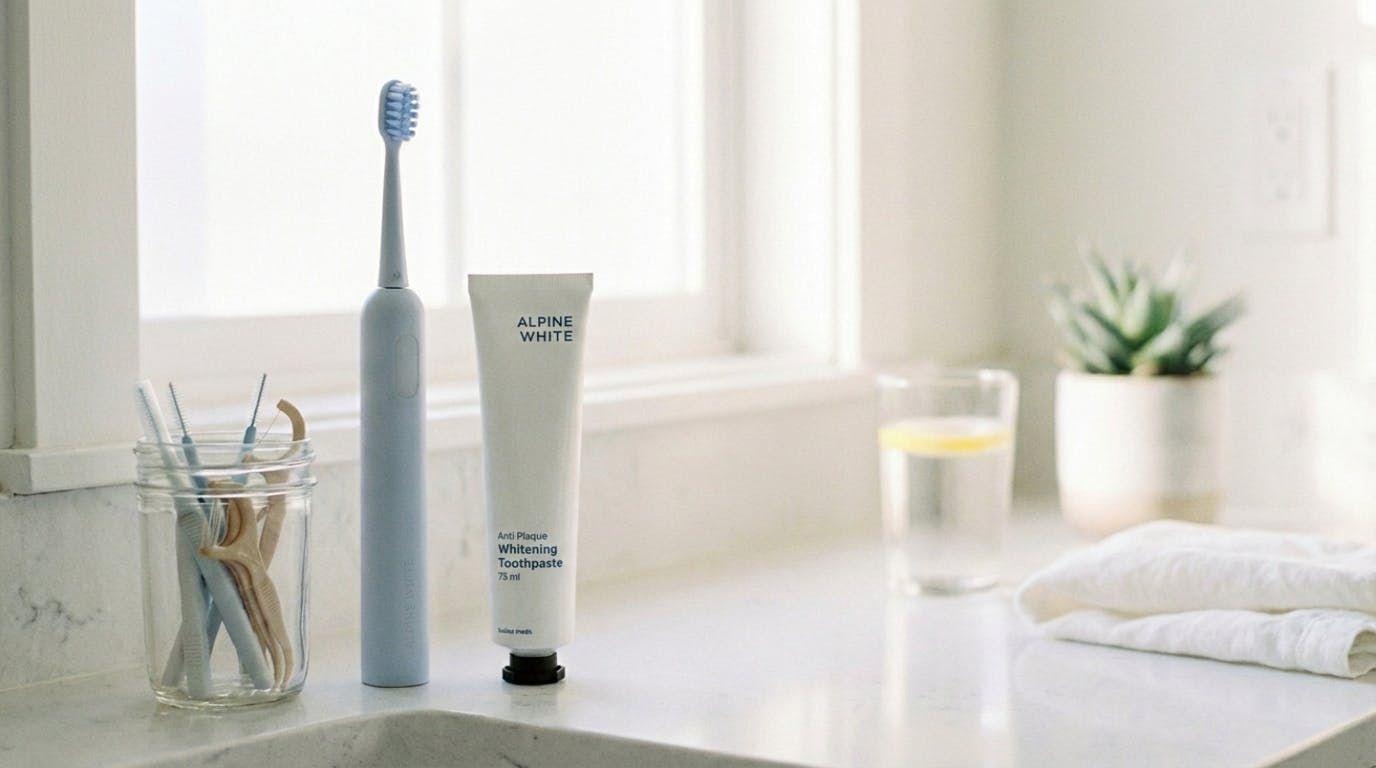
Alpine White products can support your routine at home. The Alpine White Sonic Toothbrush cleans effectively and gently. The Whitening Toothpaste Extra White is made for gentle daily use and helps keep your teeth looking bright between visits. Together they are a useful addition to professional teeth cleaning and any treatment at your dentist.
Other options for a brighter smile
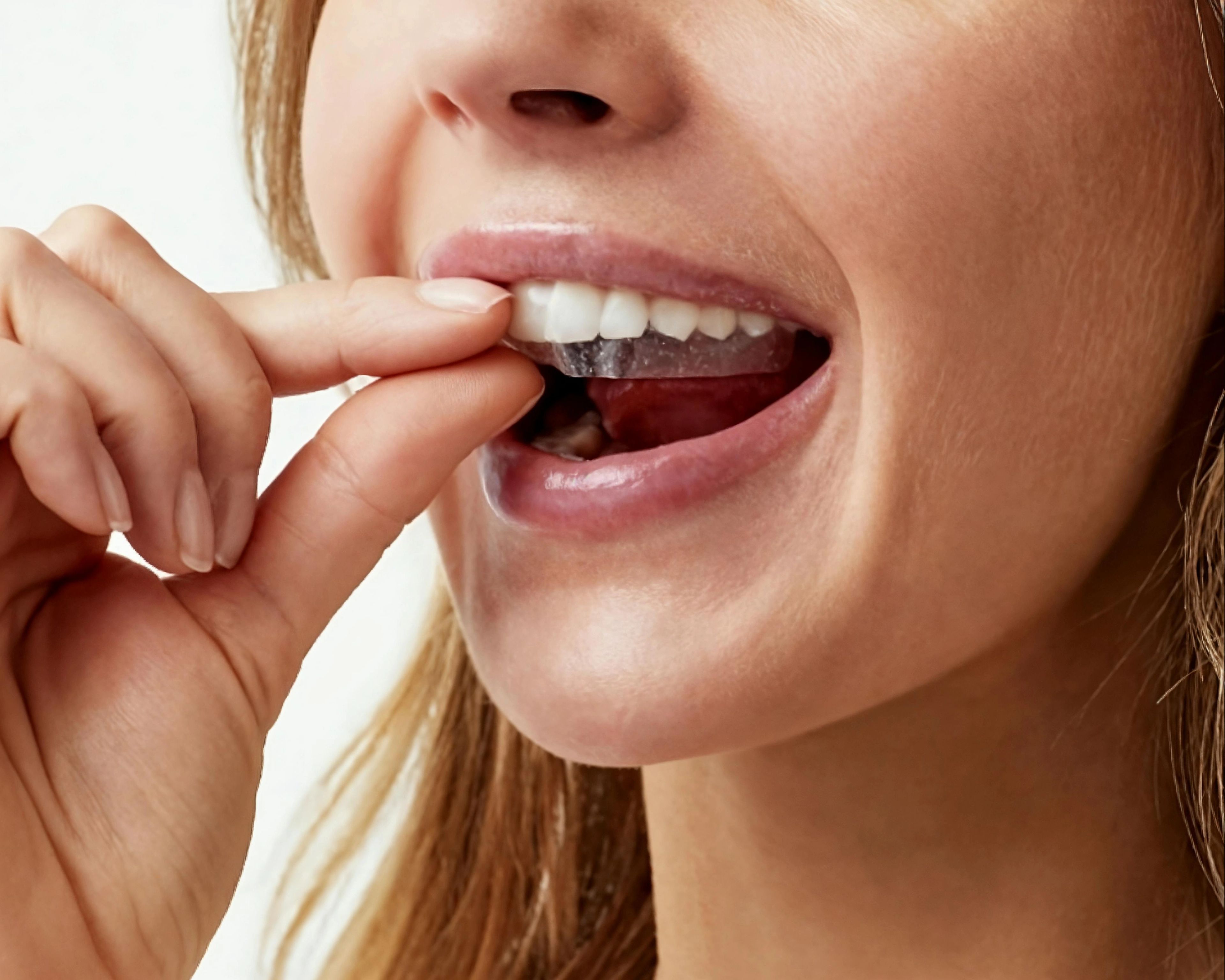
Once your teeth are professionally cleaned, many people notice that they already look brighter. If you would like to go further, your dentist can talk you through professional teeth whitening. For gentle whitening at home, Alpine White whitening strips are an easy way to maintain your results.
Conclusion: your oral health is in your hands
In short, ultrasonic teeth cleaning is a gentle, effective and pain-free way to support your oral health. It suits anyone who wants regular, careful professional cleaning. Combined with good habits at home, it helps you prevent cavities, tartar, stains and gum problems. Healthy teeth and gums matter for more than your smile: they are part of your general health and well-being.
Ready to get started? Book a scale and polish with your dental hygienist, and ask whether ultrasonic cleaning is right for you.

 Teeth Whitening