Back to overview
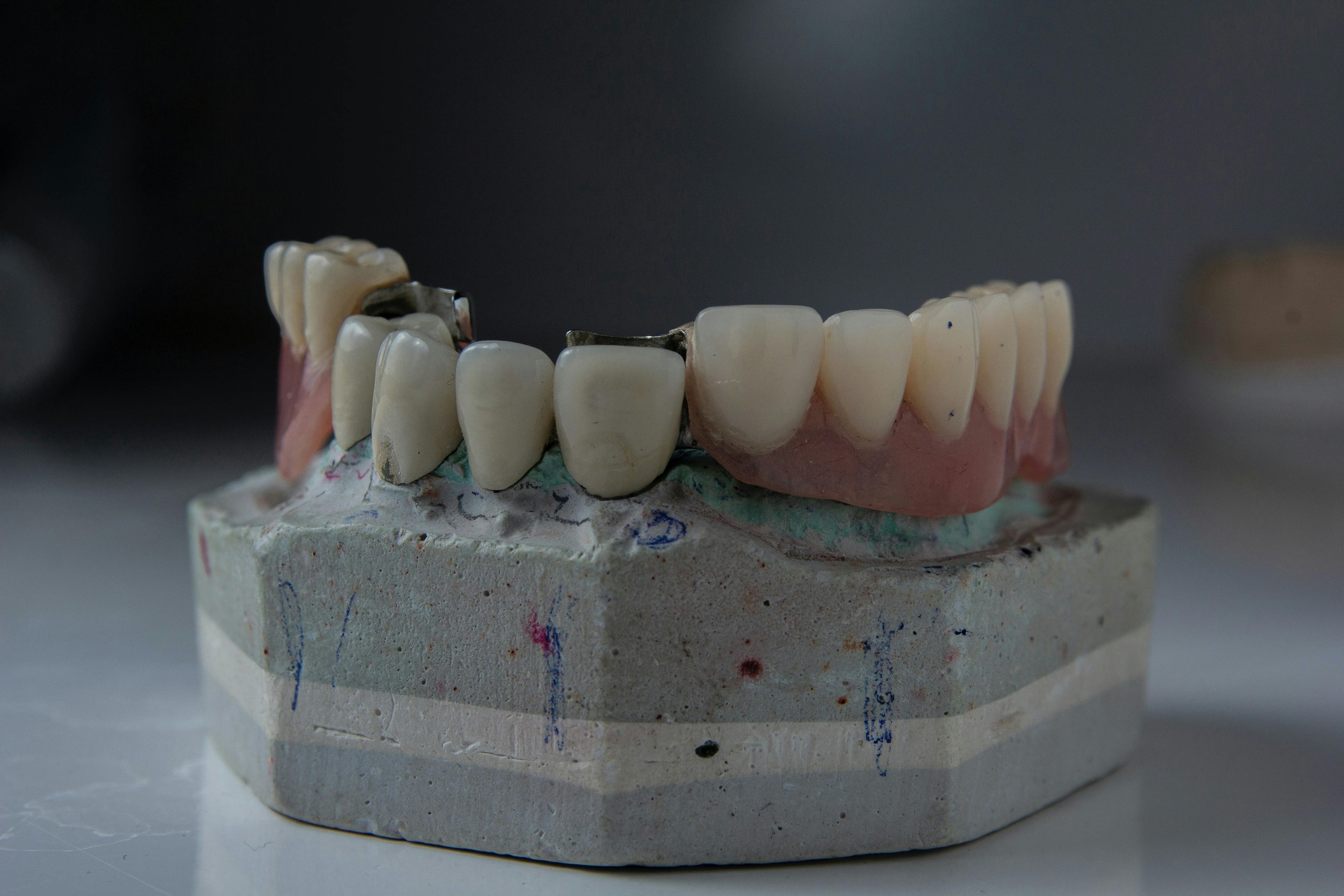
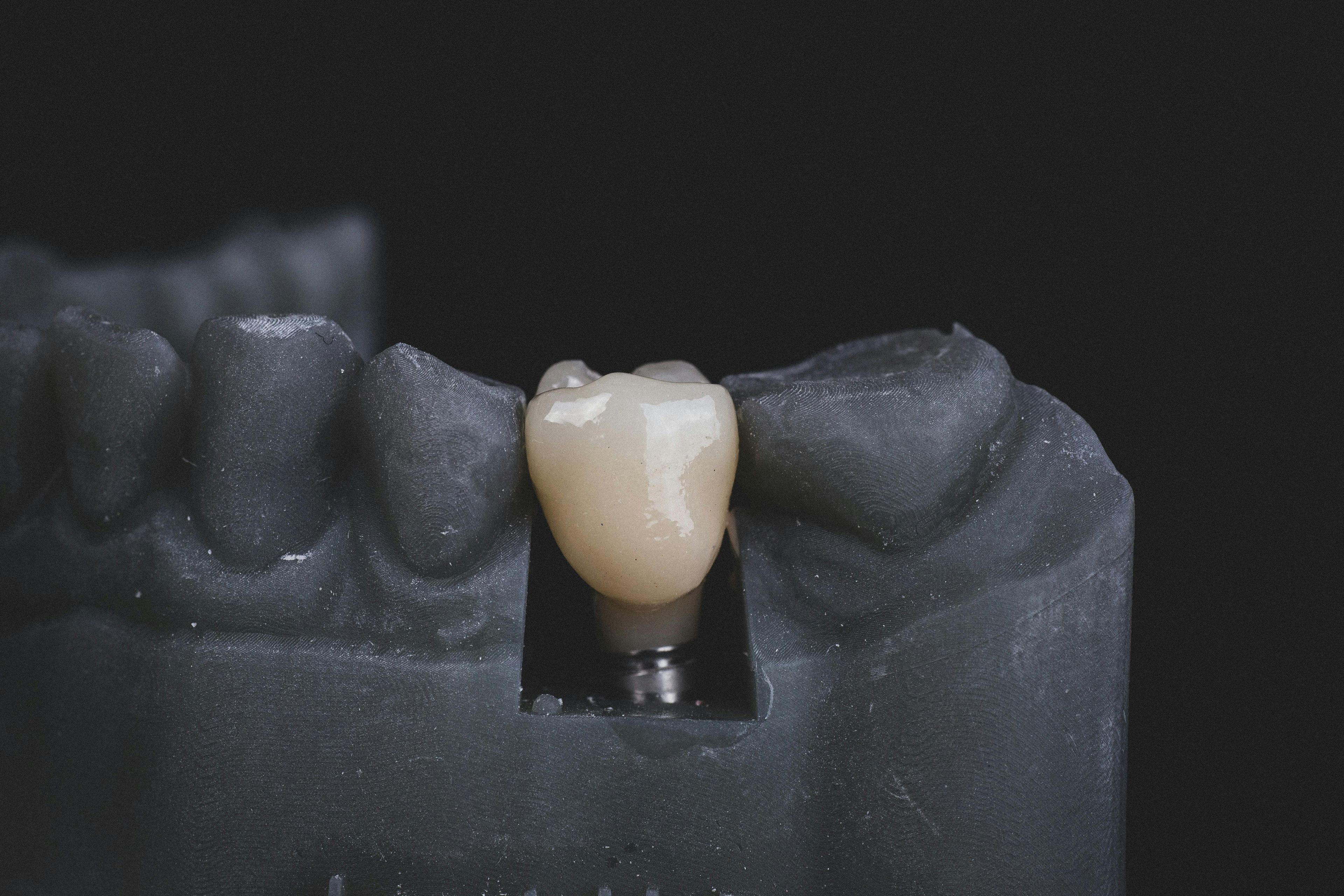
Ceramic crown on an implant in a black jaw model

Dental implants: the modern way to replace a missing tooth

Dental HealthAug 15, 20235 min read

A missing tooth can knock your confidence and change your smile. Dentistry has come a long way, especially in implantology, and dental implants are now a modern, long-lasting way to replace lost teeth. Here is what you need to know about dental implants, from materials to procedure and aftercare.


Andrea Seraina

Andrea Seraina

Dental Content Specialist

What are dental implants?

Dental implants are artificial tooth roots placed in the jawbone to replace missing teeth. They are usually made of titanium or ceramic, materials the body accepts well and that offer high stability. An implant gives a firm base for a replacement tooth, which makes it an especially good option when a single tooth is missing.

A dental implant has three main parts: the implant screw, which sits directly in the jawbone; the abutment, the connector between the screw and the crown; and the crown itself, the visible part, which is matched in shape and colour to your natural teeth. Together, these parts copy both the function and the look of a natural tooth.

Titanium or ceramic dental implants?

When choosing a material for dental implants, there are usually two options: titanium and ceramic.

Titanium implants have been the gold standard in implantology for decades. They are known for their durability, stability and biocompatibility, so allergic reactions and rejection are rare. Titanium also supports osseointegration, the process in which the jawbone grows firmly onto the implant, which is crucial for its stability.

Ceramic implants, especially those made of zirconia, are becoming more popular. They are a good option if you want a metal-free solution, whether for aesthetic reasons or because of allergies.

Ceramic implants are naturally white, which suits people who dislike the greyish tone of metal showing through. They resist corrosion and offer similar strength and longevity to titanium. Because they contain no metal, they are often preferred by people with certain conditions, such as allergies or rheumatism. In some cases, however, they can be slightly more brittle.

When deciding between titanium and ceramic, weigh up both functional and aesthetic needs, and ask an experienced implantologist which choice is best for your situation.

Sonic Toothbrush next to its packaging and a replacement brush head against a light background
5.0(3)

Sonic Toothbrush

€ 99.90

1 pc • € 99.90

Learn more

Why choose a dental implant?

A dental implant is considered when, for example, root canal treatment is not possible or not advisable, particularly if the tooth is so badly damaged that it cannot be saved.

If you have lost a tooth, whether through periodontitis, an accident or osteoporosis, dental implants can offer a long-term solution. They look and feel like your natural teeth. Unlike removable dentures, they are anchored firmly in the jaw, which gives you more security and comfort. Implant-supported solutions in particular are considered superior to conventional dentures.

How does the dental implant procedure work?

Treatment starts with a thorough examination of your teeth, general health and any risk factors. An individual treatment plan is then drawn up and discussed with you.

X-rays and a 3D scan (DVT) show how much bone is available and where the tooth roots sit. If bone has been lost, bone augmentation may be needed to create a solid base for the implant. The implantologist plans the treatment from these images. Placement is usually done under local anaesthetic. If the implant sits close to the maxillary sinus, a sinus lift may be necessary.

During surgery, the gum is opened under local anaesthetic and a hole for the implant is drilled into the jawbone. With closed healing, the gum is stitched over the implant; with open healing, it is stitched around the implant neck. Most people have little discomfort afterwards. If you prefer, the procedure can also be carried out under general anaesthetic.

After the implant is placed, the healing phase begins and the implant fuses with the jawbone. This can take several weeks to months. An abutment is then screwed onto the implant to connect it to the crown.

Possible complications and aftercare

As with any surgery, there are risks. Swelling, bruising and mild pain are normal after implant placement. Good oral hygiene is essential to avoid complications such as peri-implantitis. Regular professional teeth cleaning with your dental hygienist, daily flossing and gentle brushing with a sonic toothbrush help protect your new and healthy teeth. If your gums bleed, swell or hurt around the implant, see your dentist promptly.

How much do dental implants cost?

The cost of dental implants varies from practice to practice and from country to country. Before you decide on an implant, ask for a written treatment plan and cost estimate so you know exactly what to expect.
Dental implant vs dental crown: what is the difference?

Dental implants and dental crowns both improve how teeth work and look, but they are used for different purposes.

As described above, a dental implant is an artificial tooth root, usually made of titanium or ceramic, placed in the jawbone to replace a missing tooth. It acts as a stable base for a replacement tooth, often a crown. The implant is placed surgically and must then osseointegrate, meaning the bone grows firmly onto it. This can take several months.

A crown, on the other hand, is a kind of cap that covers a damaged or worn tooth. It is often used to protect a tooth weakened by decay, a fracture or other factors. The crown is custom-made to fit exactly over the existing tooth and is fixed with a special cement. So while an implant replaces the root of a missing tooth, a crown restores the shape, size and function of a damaged tooth that is still there. They often work together, but they are different parts of a restorative treatment.

Removable dentures

Removable dentures are designed to be taken out for daily cleaning, which makes oral hygiene easier. They do not offer the same strength and stability as fixed options, but they are often less expensive and can last many years with proper care. For many people, they bring functional benefits such as better chewing and speaking, as well as aesthetic ones, restoring confidence and a full smile.

This might also interest you

Pink-white boxing gloves on a grey concrete floorNutrition & Lifestyle

Dental injuries in sport: how to protect your teeth

Sport keeps us fit, brings people together and builds character. It also carries a risk of injury, whether you play professionally or just for fun. Most people think of sprained ankles, pulled muscles or concussions, yet dental injuries are easy to overlook, even though they are among the most common injuries in sport. A chipped or knocked-out tooth can be painful and can affect how your smile looks and how your teeth work. In this article you will learn which sports carry the highest risk, how a mouthguard protects you and what to do if a tooth is knocked out.

Dental professional wearing a face mask treating a person in the treatment chairDental Health

Periodontitis treatment: from diagnosis to healthy gums

Periodontitis is a serious gum disease caused by bacteria. Left untreated, the inflammation can reach the jawbone and eventually lead to tooth loss. The good news: periodontitis treatment works best when it starts early, and with the right knowledge and daily care you can keep your teeth and gums healthy.