Why good oral hygiene matters for beautiful teeth
We all know the basics of oral hygiene: brush your teeth twice a day, use dental floss regularly and see your dentist for check-ups. But what actually happens if we ignore this advice and do not clean our teeth thoroughly?
How plaque and tartar form
Straight after eating, bacteria in your mouth start to break down food remains. In the process they produce acids, which mix with saliva and food debris to form dental plaque. If plaque is not removed regularly, it can harden into tartar, which only a professional can remove.
Cavities and tooth decay
The acids produced by bacteria attack your tooth enamel and can lead to cavities. Left untreated, tooth decay can reach deeper into the tooth and cause painful infections or even the loss of the tooth. Food debris also collects in the spaces between your teeth, where a toothbrush struggles to reach.
Gum disease: from gingivitis to periodontitis
Plaque along the gumline can cause inflammation of the gums (gingivitis). Typical signs are red, swollen and easily bleeding gums. If gingivitis is not treated, it can develop into periodontitis, a more serious inflammation that affects the jawbone and can lead to tooth loss. See your dentist if your gums bleed or swell regularly.
Bad breath
Another sign of inadequate oral hygiene is bad breath. Bacteria that build up between the teeth, on the tongue and along the gumline produce sulphurous compounds with an unpleasant smell.
Stains and yellow teeth
Coffee, tea, red wine and tobacco can stain your teeth. Without regular cleaning, these stains can become permanent and dull the look of your smile.
Other health problems
Careful, regular teeth care is the key to preventing many dental problems and visits to the dentist's chair. It can also considerably reduce the need for implants and dental crowns or dentures. Removing plaque and bacteria every day by brushing thoroughly and flossing lowers the risk of tooth decay and gum disease. Gum disease, especially periodontitis, can cause receding gums and tooth loss, which in turn can increase the need for implants or dentures.
Good oral hygiene can also help strengthen enamel and protect your teeth from wear and breakage. By investing in a consistent routine, you can keep your natural teeth for longer and avoid costly, invasive dental procedures.
There is also growing evidence that gum disease is linked to other health problems, such as cardiovascular disease, diabetes and strokes. Good oral hygiene may therefore support your overall well-being too.
What does professional teeth cleaning involve?
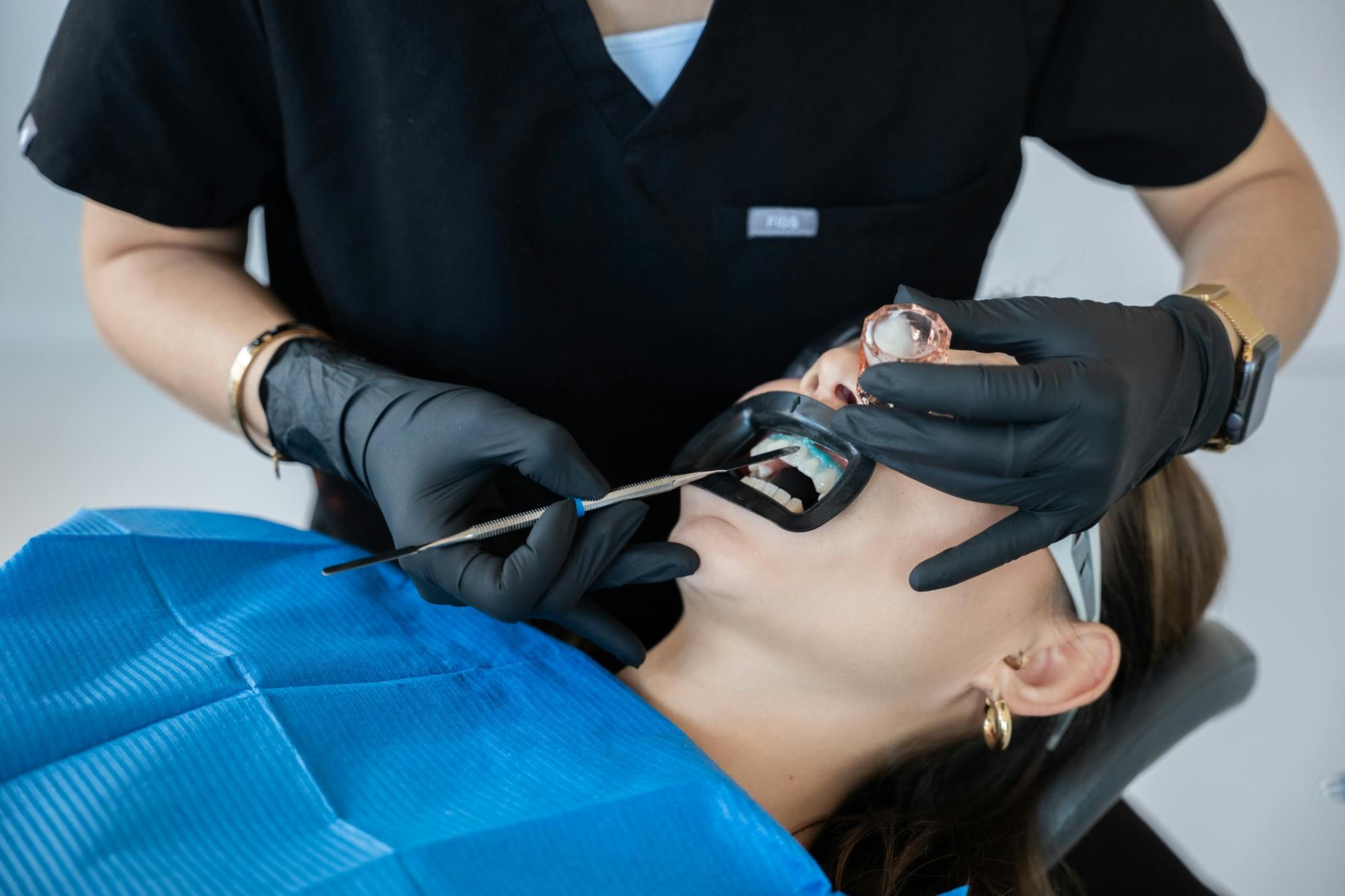
A scale and polish with a dental hygienist or at your dentist goes further than brushing at home. Using hand instruments, scalers, polishing paste and a powder jet (Airflow), the hygienist gently removes stains, plaque and tartar from the tooth surfaces.
This thorough dental cleaning also reaches the deep spaces between teeth and the sensitive tooth necks. If you wish, the teeth are then polished, which leaves them feeling smooth and makes it harder for plaque to stick again.



 Dental Hygiene