What causes bleeding gums?
The most common cause of bleeding gums is inflammation of the gums, known as gingivitis. It starts with plaque, a film made up of food residue, bacteria and their waste products. With poor oral hygiene, plaque stays on the teeth for a long time and hardens, which encourages inflammation. It irritates the gums (the gingiva) and leads to redness, swelling and, eventually, bleeding. Bleeding gums are a warning sign that you should not ignore.
Besides redness and swelling, gingivitis can also cause bad breath and tender gums. If you ignore these early signs and leave gingivitis untreated, it can develop into periodontitis, a more serious inflammation of the tissue that supports the teeth and of the jawbone. In the worst case, it can lead to tooth loss.
Plaque is not the only trigger, though. Hormonal changes during pregnancy and conditions such as diabetes mellitus can also make the gums more prone to inflammation.
How can you prevent bleeding gums with good dental care?
Preventing bleeding gums and gum disease takes consistent, thorough dental care. Good care goes well beyond a quick brush. It covers choosing suitable products, using the right brushing technique, cleaning between your teeth and looking after a healthy oral flora and the lining of your mouth.
Brush thoroughly with a soft toothbrush
Thorough brushing plays a key role in keeping healthy gums and teeth. It removes the plaque that builds up on the visible surfaces of your teeth. Whether you use a manual or an electric toothbrush, choose soft bristles so that you do not hurt your gums or damage the sensitive gum line.
Clean between your teeth every day
Brushing alone is not enough. Dental floss or interdental brushes belong in your daily routine because they reach the spaces between your teeth. Food debris and bacteria often collect there and can cause both bleeding gums and cavities.
Choose the right toothpaste and mouthwash
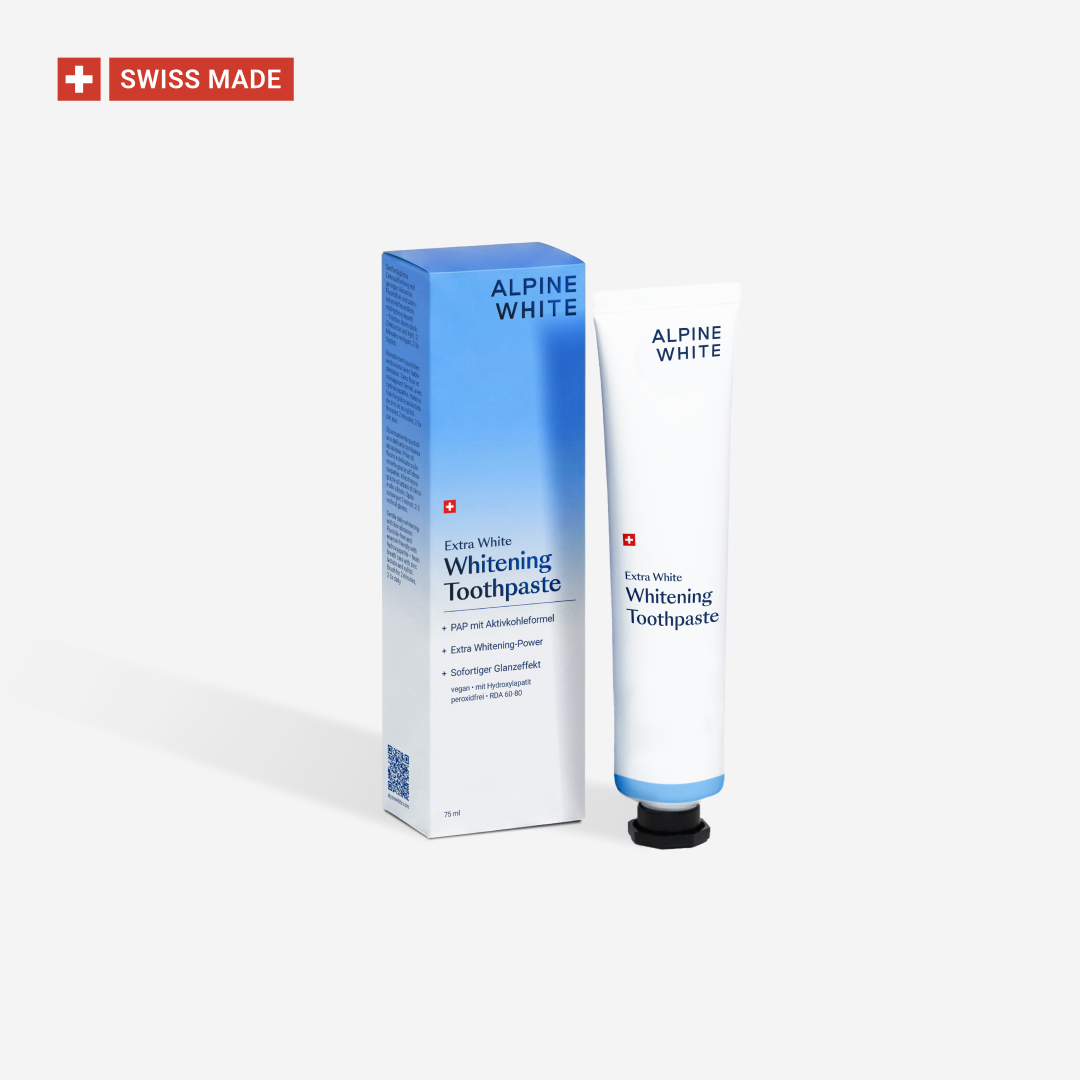
Your choice of toothpaste can make a real difference. A fluoride toothpaste helps strengthen tooth enamel and reduces plaque formation. Some toothpastes also contain antibacterial ingredients that help keep harmful bacteria in check. For everyday prevention, try our Whitening Toothpaste Extra White. Used daily, it supports your routine and helps lower the risk of diseased teeth and gums.
Using a mouthwash regularly can also reduce bacteria in your mouth and help prevent gum inflammation. It adds an extra layer of cleaning where your toothbrush and dental floss struggle to reach. Keep in mind that a mouthwash is only a supplement and never replaces brushing and flossing.
Eat a balanced, low-sugar diet
A healthy diet also helps to maintain a healthy oral flora and prevent bleeding gums. A diet rich in vitamins and minerals and low in sugar helps keep your teeth and gums healthy.


 Oral Care