Back to overview
Winking woman in light jumper sticks out her tongue

Tongue cleaning: why it matters and how to do it properly

Oral CareJun 15, 20233 min read

Wondering how to get rid of bad breath and that furry coating on your tongue? Cleaning your tongue is a small step with a big effect on your oral hygiene. Here is how to clean your tongue gently and effectively, and how it fits into your daily routine.


Andrea Seraina

Andrea Seraina

Dental Content Specialist

Why should you clean your tongue?

Tongue cleaning is an easy way to support good oral health. Bacteria, food debris, dead cells and mucus collect on the surface of the tongue and are a common cause of bad breath. Removing them lowers the bacterial load in your mouth and helps reduce the risk of gum disease, cavities and other dental problems.

A clean tongue can also improve how food tastes. A coated tongue makes it harder to pick up flavours, so removing the coating lets you enjoy the full range of your meals.

If you have difficulty swallowing or suffer from postnasal drip, tongue cleaning may help too. Clearing excess mucus and bacteria from the back of the tongue reduces the amount of irritants that settle in the throat.

What causes a coated tongue?

A coated tongue (also called furry tongue or white tongue) can be caused by poor oral hygiene, dry mouth, smoking, heavy alcohol consumption, certain medications and digestive problems such as acid reflux. Some people are also prone to it because of an imbalance of bacteria in the mouth. In some cases an underlying condition such as diabetes or iron deficiency anaemia plays a role. If the cause is not addressed, or if you brush too aggressively, it can lead to gum inflammation and persistent bad breath.

How do you clean your tongue properly?

The best tool is a tongue scraper, sometimes called a tongue brush. Starting at the back of the tongue, pull it forward slowly and gently along the whole length of the tongue. Light pressure is enough to lift bacteria, food debris and mucus without irritating the delicate tissue. You may gag a little at first, but this usually eases with time.

Afterwards, rinse your mouth thoroughly with water to wash away any residue. Tongue cleaning works best alongside the rest of your dental care: brushing twice a day with a fluoride toothpaste and cleaning between your teeth with floss. Together they form a solid oral hygiene routine that keeps bacteria low and prevents plaque from building up on teeth and gums.

An antibacterial mouthwash after brushing and flossing can reduce bacteria further. Be patient with yourself: once the gag reflex settles, you will notice fresher breath, a cleaner-feeling mouth and a better sense of taste.

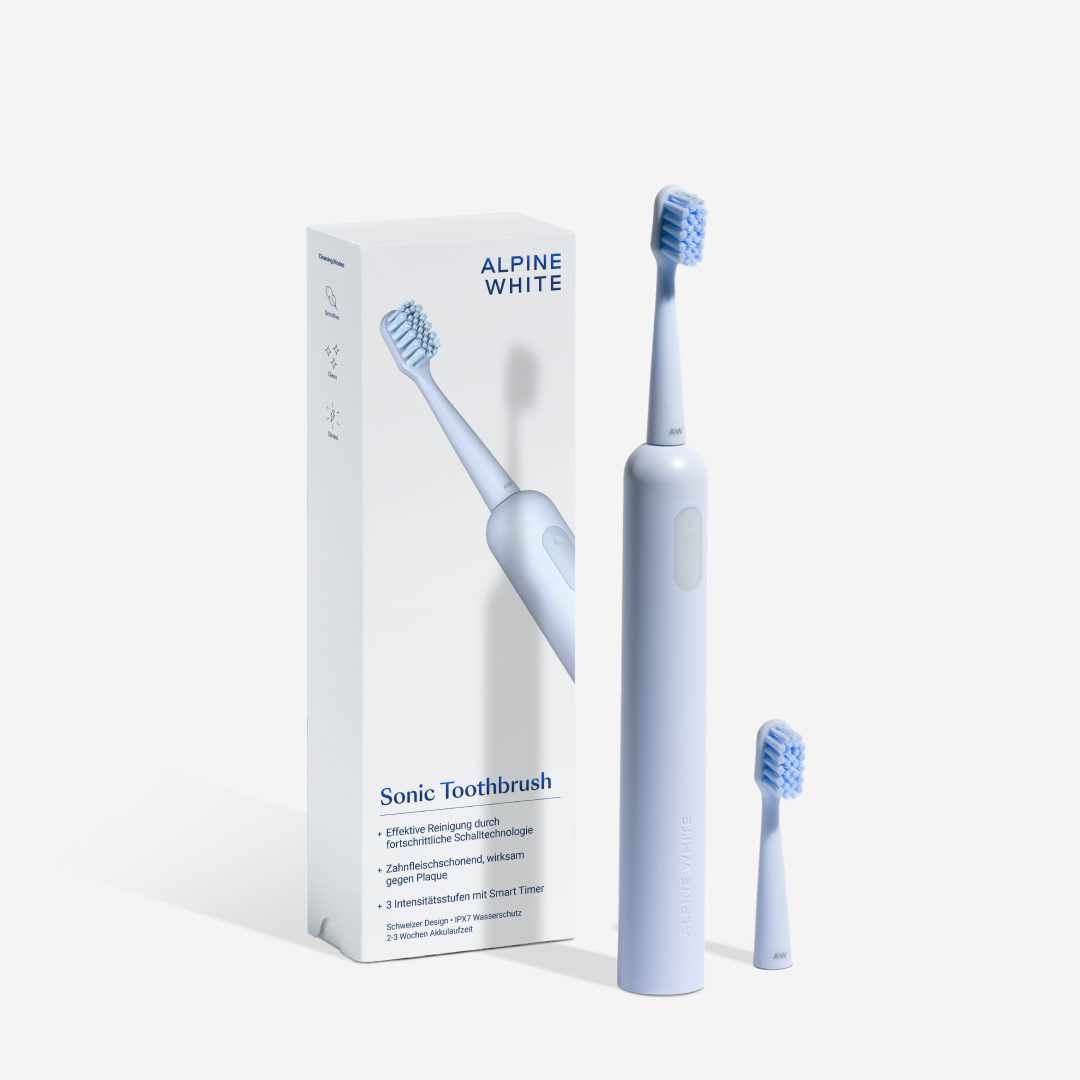
Sonic Toothbrush next to its packaging and a replacement brush head against a light background
5.0(3)

Sonic Toothbrush

€ 99.90

1 pc • € 99.90

Learn more

Tips for cleaning your tongue

Use slow, careful strokes with light pressure along the entire tongue, including the back where bacteria tend to gather. A tongue scraper made of stainless steel or copper is a good choice, as these materials are smooth and less likely to cause irritation. Rinse with water afterwards.

Cleaning your tongue once or twice a week is a sensible minimum for fresher breath and a healthier mouth. An antibacterial mouthwash can support the routine.

Are there home remedies for tongue cleaning?

Salt water or baking soda are common home remedies for cleaning the surface of the tongue and reducing bacteria. Some people also gargle with apple cider vinegar or tea tree oil against bad breath, although the evidence for these is limited. Whatever you try, keep brushing and flossing regularly. If you have persistent bad breath or other oral health problems, see your dentist, as these can be signs of a deeper dental issue.

Can you clean your tongue with a toothbrush?

You can, but it should not be your main method. Brushing helps remove bacteria and debris from the tongue, but it is not as effective as a dedicated tongue scraper, which is designed to remove bacteria, food debris and mucus without damaging the tissue. For the best results, use a tongue scraper regularly and still brush and floss twice a day.

Professional cleaning and everyday support

A professional teeth cleaning with your dentist or dental hygienist also includes care for the tongue and is a good complement to your home routine. Between appointments, a gentle daily routine with a sonic toothbrush and regular tongue cleaning helps keep your mouth feeling fresh and healthy.

This might also interest you

Carrots, oranges, ginger, lemon and chilli beside a bottle of juice on woodNutrition & Lifestyle

Foods for healthy teeth: what to eat and what to avoid

You brush twice a day and clean between your teeth, but are you doing everything you can for a healthy mouth? What you eat and drink affects your teeth and gums, both in the short and the long term. In this guide we show you the best foods for healthy teeth, and the foods and drinks that are better kept to a minimum.

Smiling woman with curly hair holds a blue toothbrush with toothpasteOral Care

How to look after your teeth properly

Do you remember the school dentist handing out purple or dark blue tablets for the whole class to chew? They left coloured stains on your teeth, and some pupils ended up with far more colour than others. Those stains were plaque, and they show why good dental care is about brushing thoroughly, not just brushing often.

Hand reaches for a tin of white peppermint sweets on a wooden tableDental Health

Bad breath: causes and how to get rid of it

Almost everyone has bad breath now and then, and the causes of halitosis are many. The tricky part is that you cannot smell your own breath. From morning breath and onion breath to a sweetish or sour smell, bad breath comes in many forms. Here is how it develops and how to get rid of it.