How does tooth decay develop?
Tooth decay is one of the most common dental problems. It is caused by bacteria that live in your mouth and feed on the sugars you eat, forming sticky layers on your teeth. These bacteria produce acid, which attacks the enamel and works its way towards the nerve of the tooth, creating holes or cavities. The acid also lowers the pH in your mouth, which gives the bacteria ideal conditions to thrive and multiply, causing further damage.
The different types of tooth decay
There are several types of decay. Here are the three main ones at a glance:
- Root and neck decay is most common in older adults who struggle with receding gums. It appears on the surface near the neck of the tooth.
- Pit and fissure decay occurs on the chewing surfaces of the molars. The right brushing technique helps you fight it, but it can quickly become a serious problem if you neglect your oral hygiene.
- Surface decay appears on the flat outer surfaces of the teeth when bacteria are not removed and plaque builds up. It can be kept in check with regular, thorough cleaning of the spaces between your teeth and the use of fluoride toothpaste.
What are the early signs of an early cavity?
Decay often develops without warning. In the early stage (initial caries) you feel no pain, but it slowly erodes the tooth enamel and raises the risk of serious damage. Prevention at this stage is important, and if you recognise the signs you can support your oral health in time. Typical signs are sensitivity to hot or cold food and drinks, visibly discoloured teeth, toothache or bad breath.
What happens if tooth decay is left untreated?
Left untreated, decay can seriously damage your teeth. As it grows, it removes more enamel and exposes deeper layers of the tooth. The bacteria spread into these layers, weakening them further and raising your risk of infection. Once decay reaches the dentine, you may feel pain when biting or chewing, and discolouration appears from plaque deposits. If decay progresses unchecked, it can lead to serious dental problems such as abscesses. Act at the first signs so that you avoid long-term consequences.
How tooth decay affects your gums
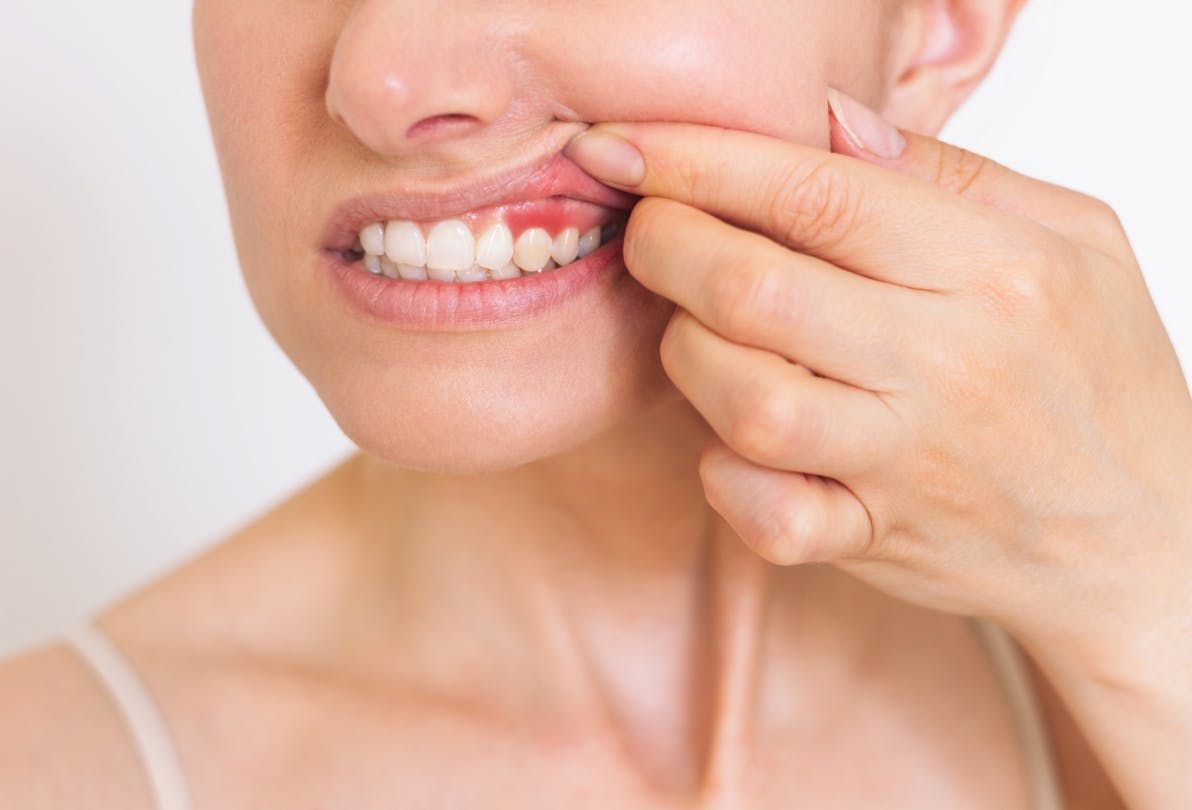
Decay does not only affect the teeth, it can also harm your gums. As the bacteria spread, they reach the gum line and cause an inflammation known as gingivitis. This swelling can lead to bleeding when brushing or flossing, pain in the mouth and an unpleasant taste. Left untreated, it can develop into gum disease, which can cause bone loss around the teeth and eventually even tooth loss.
How can you prevent tooth decay?
To prevent cavities, build a daily dental care routine. Looking after your teeth does not have to be complicated, and small daily steps can save you a trip to the dentist. Brushing twice a day not only helps prevent decay, it also freshens your breath and leaves a pleasant taste in your mouth. Remember to brush every tooth surface, remove food debris and floss once a day. Eating tooth-friendly snacks such as crunchy fruit and vegetables also boosts saliva flow, which helps protect your teeth by washing away sugary residue and the bacteria that cause decay.
It is also worth seeing a dental hygienist regularly for a scale and polish. If your dentist finds an early cavity, they can suggest measures to stop it from progressing.
How are cavities treated?
Treating decay often needs special attention. Regular brushing and flossing are essential parts of any routine, but at some point decay may need intensive treatment. In that case the best step is a detailed consultation with your dentist.
Your dentist will assess how far the decay has progressed and suggest suitable treatment, such as fillings or crowns, to restore the structure and function of the tooth. Root canal treatment is a necessary part of treating decay that has reached the innermost layers of the tooth. The infected and decayed parts of the tooth are removed to prevent further damage to the surrounding teeth and tissue. It usually takes several visits, starting with an X-ray to show where the cavities are and how deep they go.



 Dental Hygiene