What are dental fillings?
Dental fillings replace tooth structure lost to tooth decay or damage. Your dentist first removes the decayed part of the tooth, then places the filling material to restore the tooth's structure and function.
Which types of dental fillings are there?
Dentists choose a filling material based on where the defect is, how visible it is and how much chewing pressure the tooth takes.
Amalgam fillings
Amalgam is the traditional filling material. It is strong and long-lasting, so it is often used in the back teeth. It is quite visible, which is why it is not recommended for the front teeth.
Composite (resin) fillings
Composite fillings are made of tooth-coloured resin that is hardened with a curing light. They blend in well, so they suit the front teeth and visible back teeth, and they hold up well under moderate chewing pressure.
Ceramic fillings
Ceramic fillings are often made of porcelain and are prized for their looks. Ceramic inlays and onlays are especially popular because they resist staining and keep their colour.
Gold fillings
Gold is known for its exceptional durability. It is mainly used in the molars, where looks matter less and chewing pressure is highest. That robustness makes gold a good choice for heavily loaded areas.
Glass ionomer cement
Glass ionomer cement is ideal for baby teeth or as a temporary filling, because it releases fluoride, which helps prevent further decay.
Inlays and onlays: precise restorations for long-lasting results
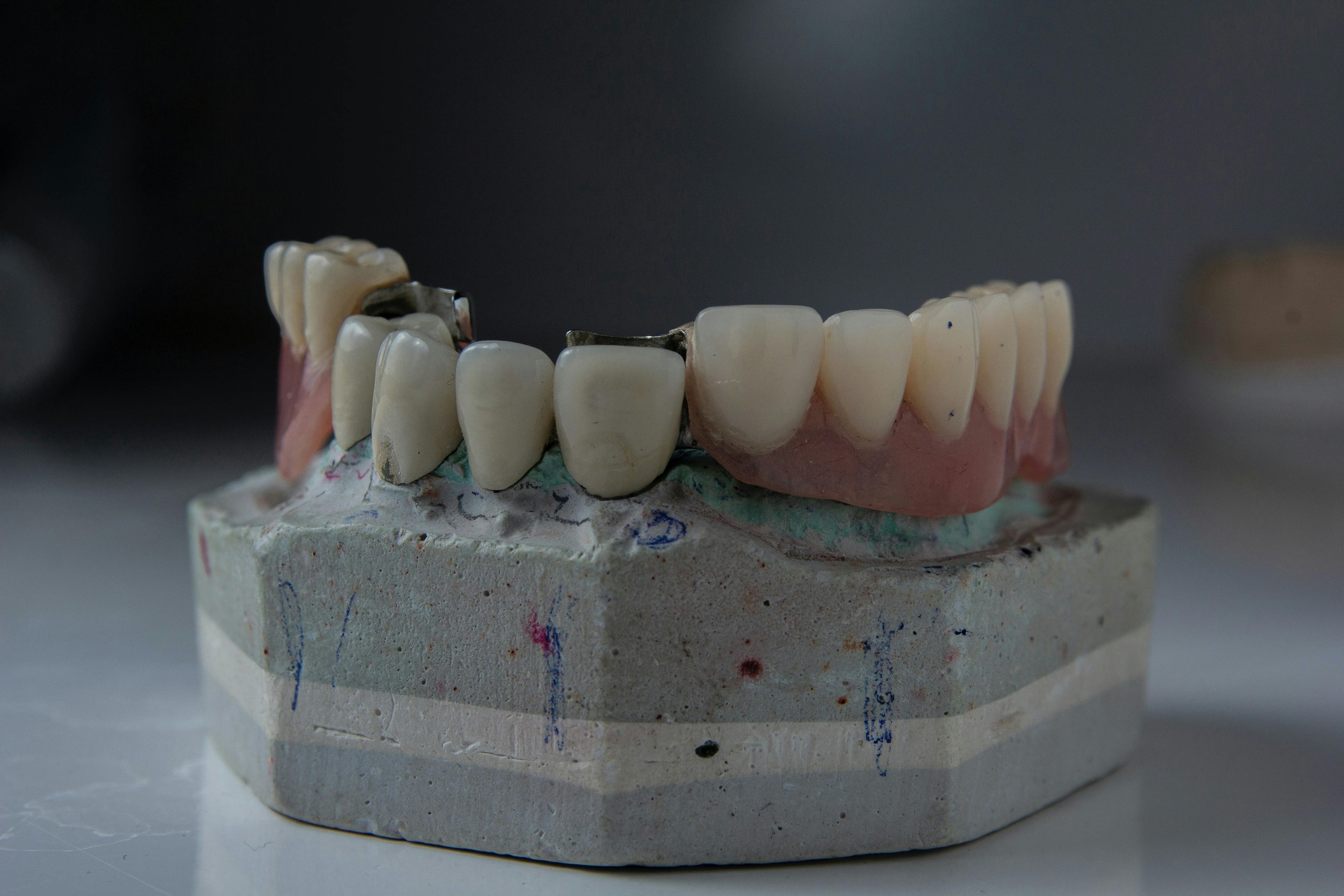
Inlays and onlays offer both functional and aesthetic benefits. They are often used to repair a tooth whose chewing surface has been badly damaged by decay. Unlike a standard filling, which is built up directly in the tooth, an inlay or onlay is made precisely in a dental laboratory so that it fits the cavity exactly.
A major advantage is that this technique preserves more of your natural tooth, which matters most when the alternative would be a full dental crown. It can also help to reduce toothache, which often occurs when a tooth is badly damaged and a standard filling is not enough to protect and strengthen it. While the final inlay or onlay is being made, your dentist can place a temporary filling to prevent further damage and keep the tooth working.
Inlays and onlays are a robust solution for larger areas of damage and can last a long time, which reduces the need for further procedures and supports your overall oral health.
The right material depends on your needs, your preferences and the condition of the affected tooth. For inlays and onlays, your dentist will work with a dental laboratory to make a restoration that matches the shape and size of the cavity.
How do you choose the right filling material?
Several factors play a role:
- Appearance: for visible areas such as the front teeth, tooth-coloured materials like composite or ceramic are ideal.
- Chewing pressure: in areas with high chewing pressure, such as the molars, stronger materials like gold or amalgam are more suitable.
- Cost: costs vary, and gold and ceramic are generally more expensive than composite or amalgam.
- Long-term durability: some materials, such as ceramic and gold, last longer than composite fillings.
How is a dental filling placed? Step by step
Getting a filling always starts with a thorough examination by your dentist. This is how they determine exactly how far the decay or damage extends. The dentist also checks the tooth nerve and the surrounding tooth surface to make sure the right treatment is used.
Examination and preparation
Once the affected tooth has been identified, the area is carefully cleaned to remove all decay-causing bacteria. This stops the infection spreading and prepares the cavity for the filling.
Curing and polishing
After the filling material has been placed, it has to harden. How this works depends on the material: composites and compomers cure under a special light, while ceramics and glass ionomers cure chemically.
Once the material has set, the filling is carefully polished so the surface is smooth and mimics natural enamel. This helps it blend in with your other teeth and prevents plaque from building up at the edges of the filling.
How do you make a filling last longer?
After the filling is placed, good oral hygiene is crucial. That includes regular dental check-ups so your dentist can monitor the filling. It is equally important to avoid very hard foods and to watch for signs of teeth grinding, which puts extra stress on fillings.
Daily oral hygiene
Good oral hygiene is the key to a long-lasting filling. Brush regularly, use dental floss and rinse with an antibacterial mouthwash to help prevent plaque and cavities. A sonic toothbrush can make thorough daily cleaning around the edges of fillings easier.
Regular check-ups and professional cleaning
Plan regular check-ups with your dentist. A visit to your dental hygienist for professional teeth cleaning is also worthwhile. These visits help to spot problems early and keep your fillings and the surrounding teeth healthy. Tell your dentist if a filling feels rough, high or sensitive, or if you notice pain.


 Dental Health