What are cavities and how does tooth decay start?
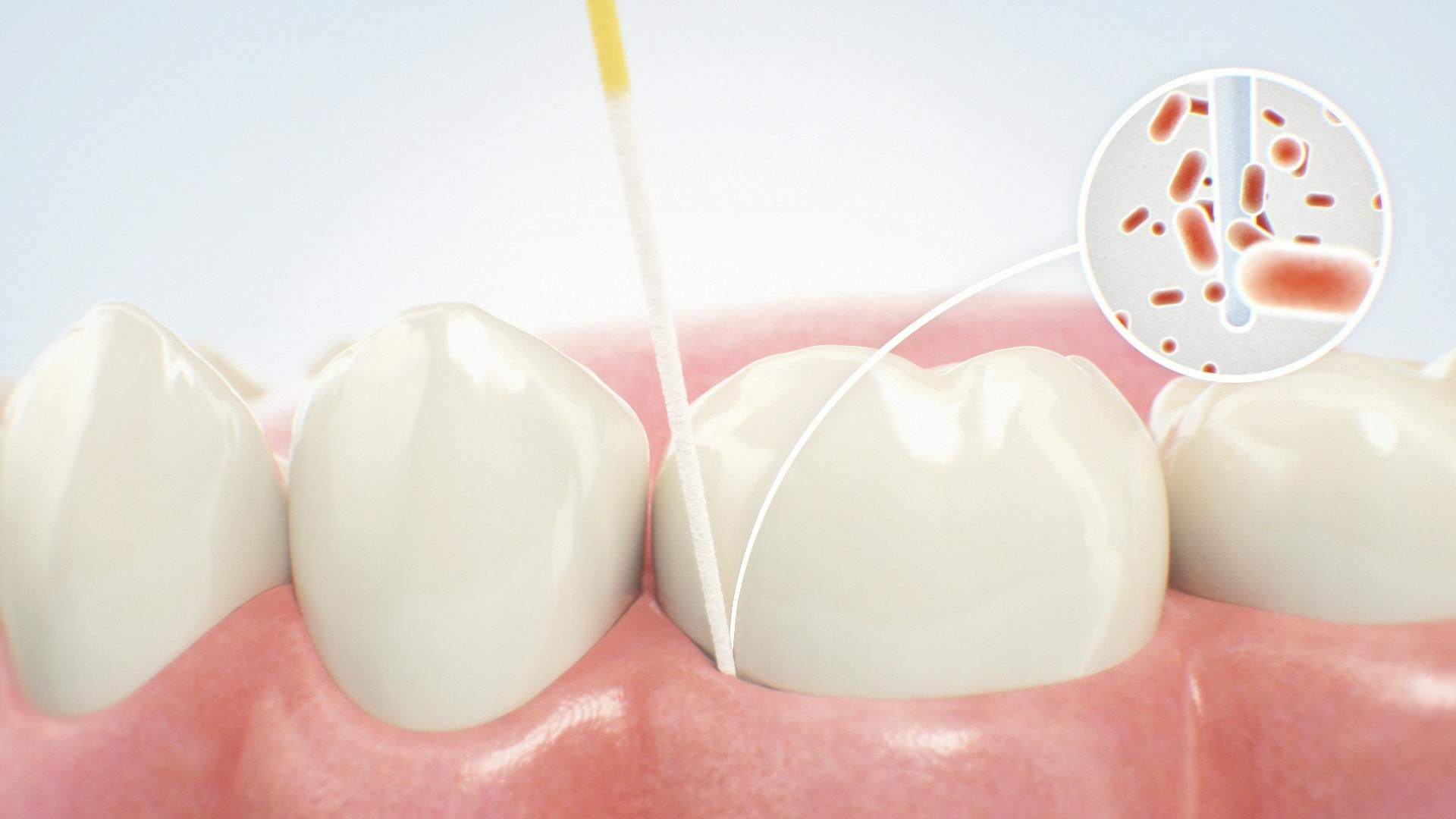
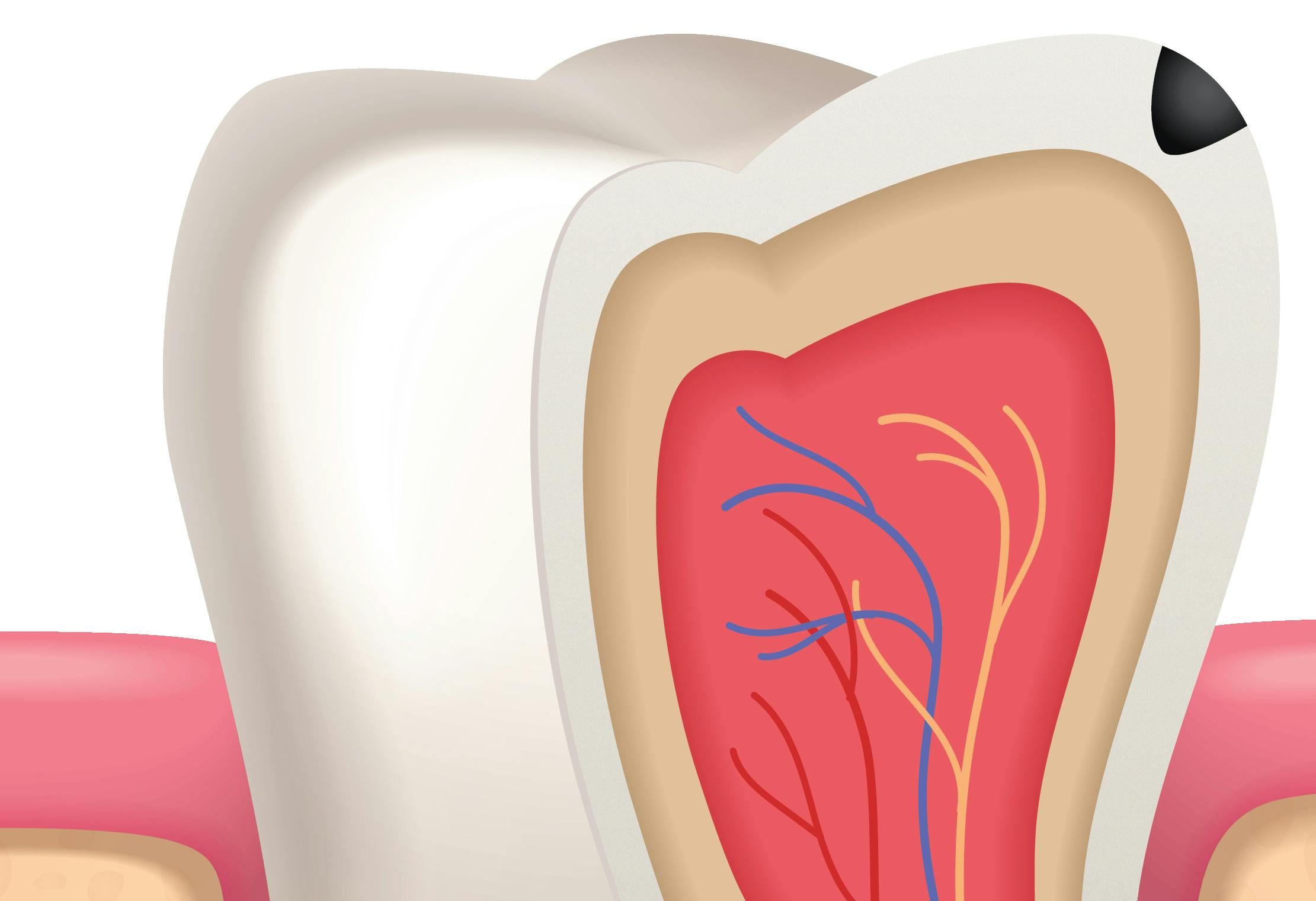
Cavities, also called tooth decay or dental caries, start with plaque: a sticky film of bacteria and food residue on your teeth. These bacteria produce acids that attack the tooth enamel and can first show up as white spots. Decay is a gradual process. Left untreated, it can reach deeper layers, spread to neighbouring teeth and even affect the tooth nerve. Baby teeth are especially vulnerable because their enamel is not yet fully mature. Exposed tooth necks are at risk too, usually after gum recession.
The key point is that decay progresses over time. In the earliest stages, good oral hygiene, the right toothpaste and regular visits to a dental hygienist can often stop it, or even reverse it. Once decay goes deeper, however, it needs professional treatment.
How can you prevent cavities?
A thorough daily routine is your best protection against tooth decay. These habits make the biggest difference:
- Brush regularly: Use fluoride toothpaste and brush for at least two minutes, twice a day. This removes plaque and lowers your risk of decay. A sonic toothbrush can make thorough brushing easier.
- Clean between your teeth: Use dental floss daily to remove plaque and food particles that brushing misses.
- Professional teeth cleaning: Book regular appointments with your dentist or dental hygienist for a scale and polish. It removes stubborn plaque and tartar and keeps your gums and teeth healthy.
- Eat and drink wisely: Cut down on sugary food and drinks and on carbohydrate-rich snacks, which feed decay-causing bacteria.
- Fluoride mouthwash: It gives extra protection against cavities and helps fight bad breath.
- Use the right technique: Brush gently with the correct technique to protect your enamel and keep stains to a minimum.
Stick to these habits and you give yourself the best chance of keeping decay away and your smile healthy.
Can you remove a cavity yourself?
Plenty of home remedies and DIY tricks claim to remove or cure cavities, from baking soda and coconut oil to certain herbs. Some may ease symptoms for a while or reduce bacteria in the mouth, but none of them is an effective treatment. Home remedies cannot cure a cavity.
Tooth decay is a real health problem that often needs professional treatment. Without proper care it can get worse and lead to serious complications, including infection and tooth loss.
If decay has already reached the inner dentin, see a dentist straight away. You may need a filling to treat the affected area and prevent further damage. Without treatment, toothache can get worse, a root canal treatment may become necessary and, in the worst case, the tooth may have to be replaced.
If decay is caught in the early or initial stage, though, timely action can slow its progress. That is where professional remineralisation comes in.
Can an early cavity be reversed? Professional remineralisation
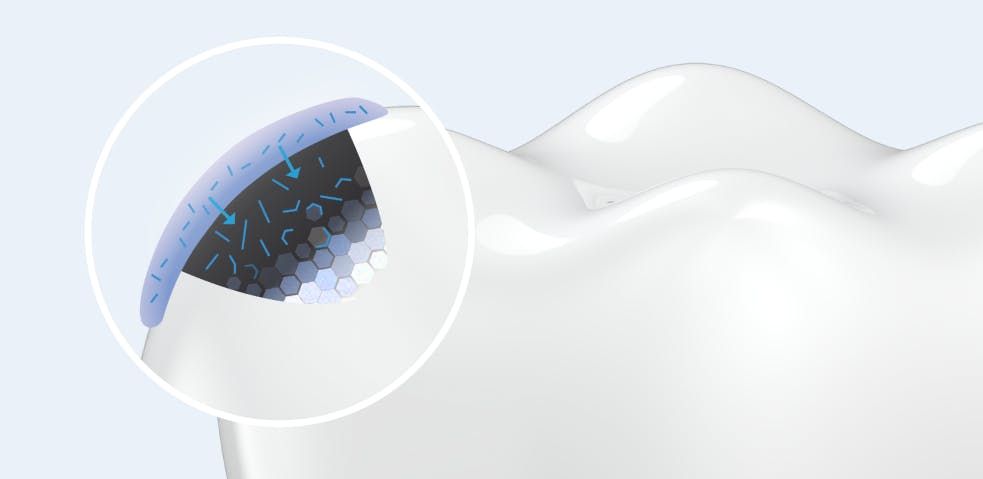
Professional remineralisation treatments, offered by dentists and dental hygienists, help rebuild the tooth surface and fight cavity-causing bacteria before they reach deeper into the dentin. Used early, they can stop decay from progressing and protect the tooth without drilling or fillings.
Some systems report restoring enamel hardness up to eight times deeper than conventional fluorides, with success rates of up to 93% for decay ranging from initial to superficial. Ask your dentist which option suits your teeth.
Benefits of professional remineralisation:
- Comfortable: no drilling or injections are involved, because the tooth is remineralised rather than cut.
- Preserves tooth structure: unlike drilling, it keeps the natural integrity of your teeth and supports long-term dental health.
- Stops decay spreading: it halts the progress of a cavity and protects the tooth from further damage.
- Suitable for decay beyond the surface: it can also address deeper damage reaching into the inner dentin.
- High reported success rate: up to 93%, according to the figures above.
Why a caries risk analysis is worth it
To assess your individual risk of cavities and plan tailored prevention, your dentist can carry out a caries risk analysis. It evaluates your risk in detail and picks up early signs of decay using modern analysis techniques. A saliva test looks at three microorganisms that play an important role in cavity formation. One of these types of bacteria can even cause infections in other parts of the body if it enters the bloodstream. The test also checks the flow rate and buffering capacity of your saliva, which is essentially your personal shield for your teeth.
You then receive a comprehensive report with personalised recommendations for oral hygiene and lifestyle changes to improve your oral health in the long term.
Conclusion: keep your teeth healthy every day
You cannot remove a cavity yourself, but you can do a lot to prevent one and to protect your enamel: brush well, clean between your teeth, limit sugar and have regular check-ups and professional cleanings. Alpine White supports your daily routine at home with products such as the Whitening Toothpaste Extra White. If you notice pain, sensitivity or a visible hole in a tooth, book a dental appointment soon.

 Dental Health