What are cavities and how do they form?
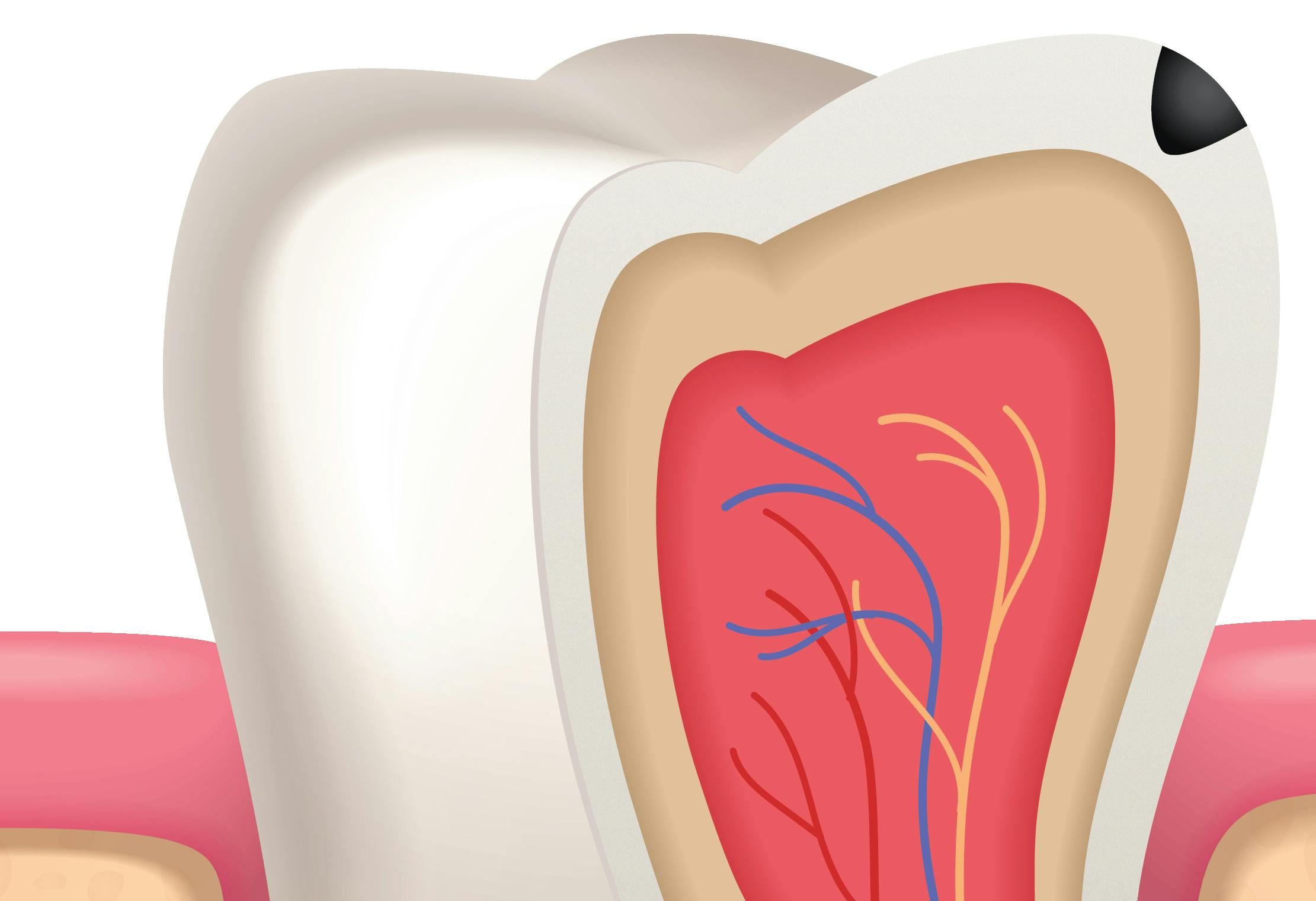
Before asking whether home remedies for cavities work, it helps to know what tooth decay actually is. Bacteria in the mouth form plaque, a sticky film that builds up on the teeth. When you eat foods rich in sugar or starch, these bacteria feed on the leftovers and produce acids. The acids attack the enamel, the outer layer of the tooth, and over time they can create holes known as cavities. Left untreated, a cavity can reach deeper into the tooth and lead to toothache, infection and even the loss of the tooth.
An early warning sign is white spots on the tooth surface. These rough, chalky patches in the enamel point to the start of decay, so it is worth showing them to your dentist early.
How can you prevent cavities?
Do home remedies for cavities work?
Plenty of remedies are said to prevent cavities, including sage, garlic, cloves, coconut oil and oil pulling. Sage has anti-inflammatory properties, garlic is antimicrobial, clove oil contains eugenol, which is used for disinfection, and coconut oil is antimicrobial too. Oil pulling with coconut oil is said to reduce plaque. These remedies are often promoted for their antibacterial effect, but on their own they are not enough to fight or prevent cavities. Scientific evidence that they prevent tooth decay is largely lacking.
Oral hygiene at home
Consistent oral hygiene is what really protects against cavities. Thorough brushing with a fluoride toothpaste after meals removes plaque and the cavity-causing bacteria. Dental floss is just as important, because it clears food debris and plaque from between the teeth where the toothbrush cannot reach. An antibacterial mouthwash can add to your routine by helping to reduce harmful bacteria.
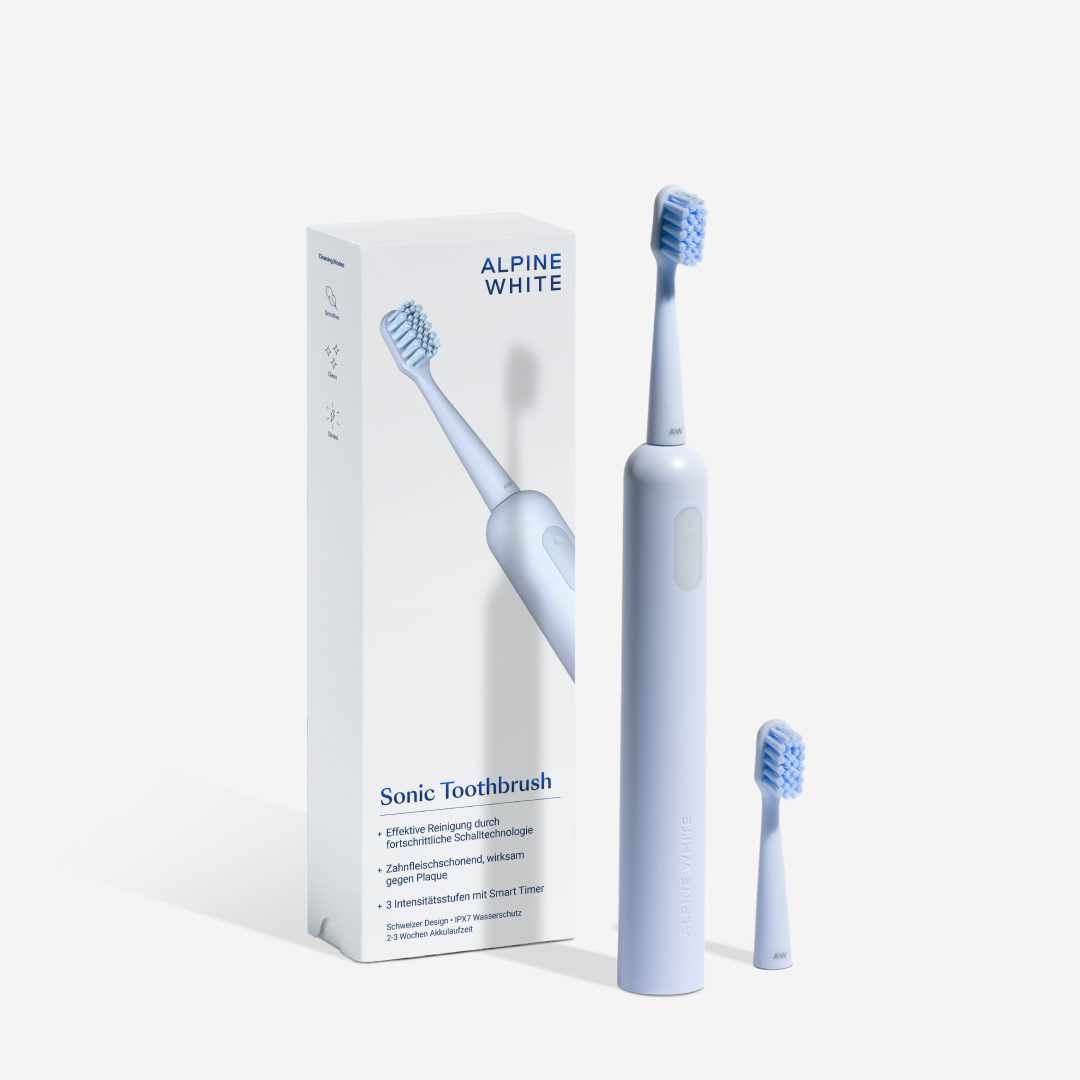
A sonic toothbrush and our Whitening Toothpaste Extra White make a good daily routine at home.
Professional teeth cleaning
Alongside your home routine, regular professional teeth cleaning at your dentist or dental hygienist is an important part of preventing cavities. A scale and polish removes plaque and tartar, reduces stains, and cleans the spaces between the teeth thoroughly. It also helps to keep gum inflammation and periodontitis in check and limits the growth of cavity-causing bacteria. As a bonus, it can help you avoid bad breath. Ask your dentist how often a visit makes sense for you.

 Dental Health