Why do microbes matter for oral health?
Research shows that the microbes in your mouth interact in complex ways and influence one another. Some types of bacteria can help curb the spread of the bacteria that cause cavities, while others encourage the growth of harmful microorganisms. A better understanding of these interactions can help develop targeted preventive measures to improve oral health.
The goal is to keep the oral microbiome in balance so that harmful bacteria do not take over and cause problems such as cavities and gum inflammation. Two simple measures can help: cleaning your tongue and, where appropriate, finding out more about your own mouth flora.
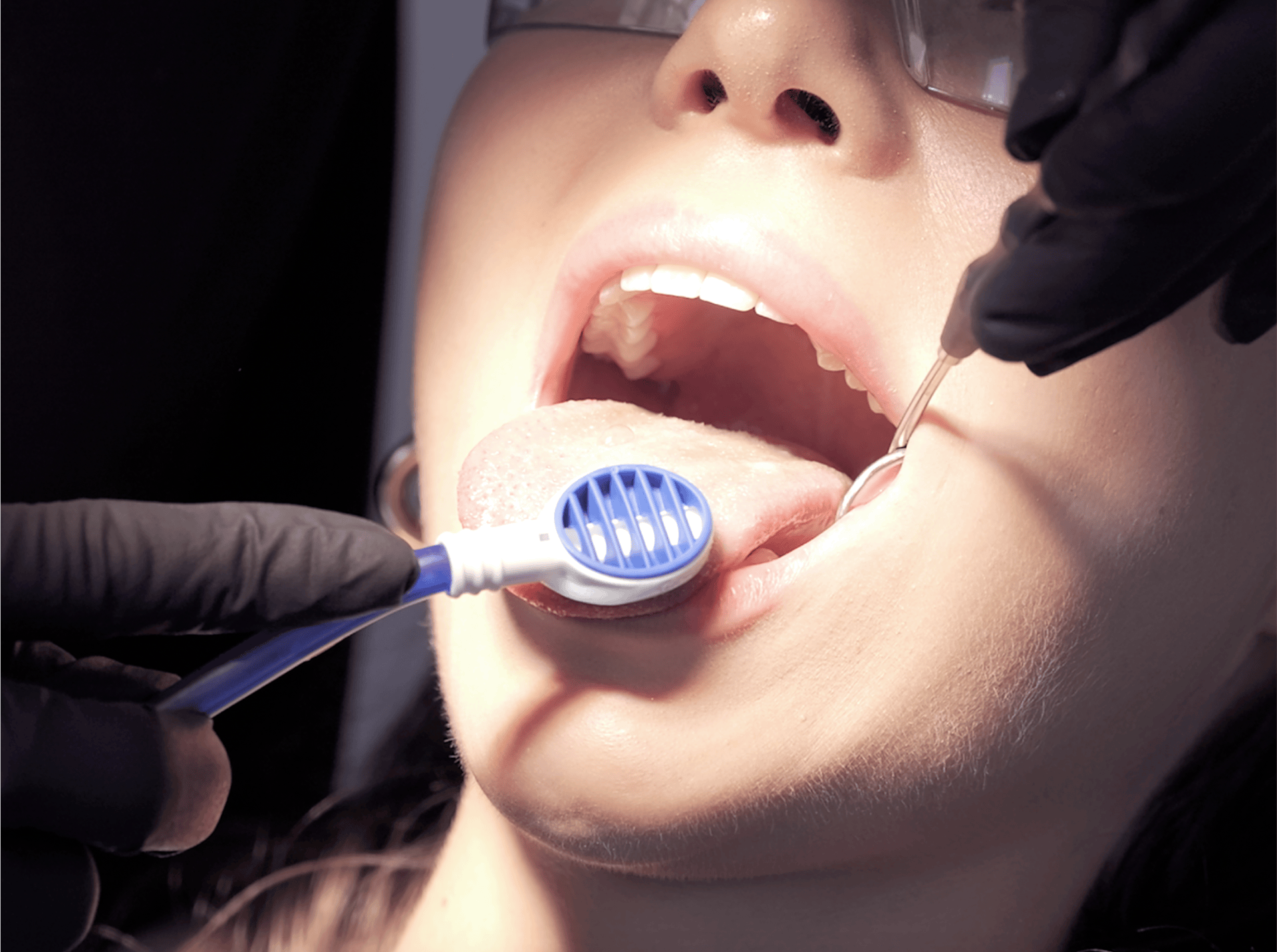
Tongue cleaning for fresher breath
Bacteria and deposits collect on the surface of your tongue, which is a common cause of bad breath. Gently cleaning your tongue with a tongue scraper or your toothbrush removes these bacteria and leaves your mouth feeling cleaner. Doing it regularly can also reduce the build-up of plaque and the risk of gum problems. A clean tongue means fresher breath and a more pleasant sense of taste.
Bacterial analysis: what does it show?
Would you like a deeper understanding of your own mouth flora? Some dental practices offer a bacterial analysis that identifies the bacterial strains in your mouth. Such a test gives insight into the composition of your oral flora and highlights individual risks for dental disease.
An analysis can go beyond spotting potentially harmful bacteria. One approach examines 20 periodontal microorganisms in three groups: beneficial bacteria that support a healthy biofilm, opportunists that create an ideal environment for pathogenic germs, and harmful bacteria that can cause gum problems.
Based on the results, you can receive tailored recommendations for your oral hygiene and lifestyle. This allows targeted steps to keep harmful bacteria in check and restore the balance of your mouth flora. Ask your dentist whether a bacterial analysis makes sense for you.
Which foods and remedies support healthy mouth flora?
Your mouth flora is shaped not only by your diet but also by natural remedies and supplements. A balanced diet rich in fibre, vitamins and minerals can help maintain healthy oral flora. Some foods, especially those with probiotic properties, may also benefit oral health by supporting healthy bacterial populations and inhibiting the growth of pathogens.
Alongside a healthy diet, plant-based remedies can help strengthen your oral flora and reduce inflammation. Chamomile, sage, marigold and aloe vera are known for their anti-inflammatory properties and can help soothe inflammation in the mouth. Vitamin C lozenges, which are also anti-inflammatory, can support your immune defences and the healing of mouth ulcers.
To help rebalance disrupted mouth flora, home remedies such as oil pulling can be used. The method helps remove harmful germs and may help restore the balance of your oral flora. Regular oil pulling can improve oral health and reduce the risk of gum disease.
It is also worth knowing that healthy mouth flora is closely linked to gut flora. A balanced gut flora supports digestion, can strengthen the immune system and may reduce inflammation throughout the body. Taking probiotics that contain healthy bacteria can help support the balance of your gut flora and, in turn, your oral health.
Conclusion: a healthy oral microbiome starts with daily habits
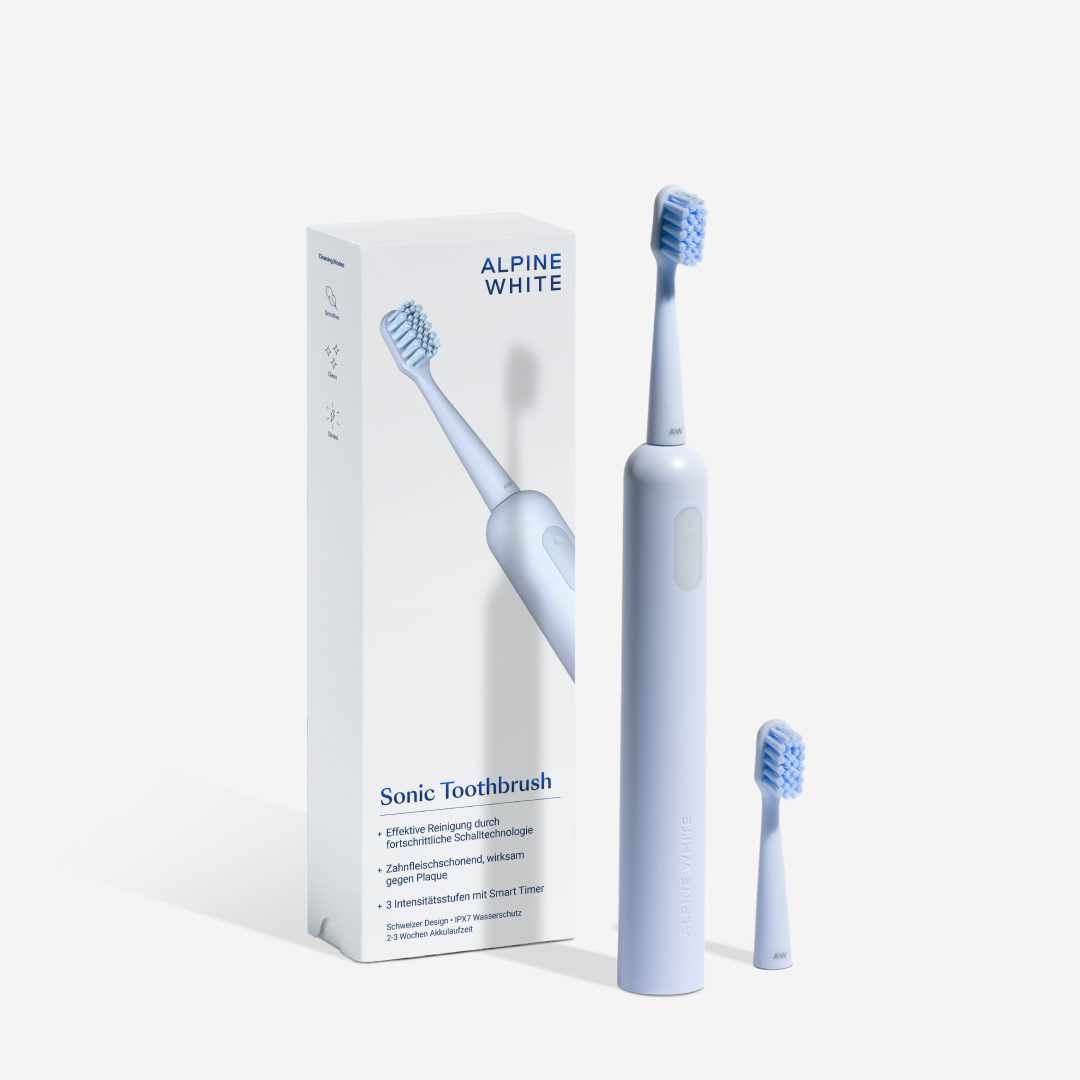
Your mouth flora is crucial for your oral health. By brushing and cleaning between your teeth thoroughly, cleaning your tongue, eating a balanced diet and seeing your dental team regularly, you can restore the balance between beneficial bacteria and harmful germs. Explore the Alpine White range for at-home support and invest in your oral health.


 Dental Health