What causes gingivitis?
The most common cause of gum inflammation is poor oral hygiene. Bacteria collect between the teeth and on their surface and form plaque. This plaque can spread to the gum line and trigger inflammation. If it is not removed regularly, it can harden into tartar, which can damage the tissue that supports your teeth. Mechanical irritation can also hurt your gums, for example brushing too hard with stiff bristles or using dental floss incorrectly. This can lead to redness and swelling.
Some health conditions also matter. Diabetes mellitus or a weakened immune system can raise the risk of gum inflammation. Hormonal changes, such as those during pregnancy or puberty, can increase the risk of gingivitis too. Tooth decay is another factor that can lead to gum problems.
What are the symptoms of gum inflammation?
Typical signs of gingivitis are swollen gums, bleeding gums and sometimes bad breath. In more advanced cases, gum pockets can form and the necks of the teeth may become exposed. Spotting these symptoms early matters, because it helps you avoid more serious problems such as periodontitis, which can cause severe damage to the gums and jawbone and even tooth loss. Acute gum inflammation can appear suddenly. Chronic gum inflammation lasts for a longer period and is often the result of inflammation of the tissue supporting the teeth, also known as periodontal disease.
If your gums bleed regularly, hurt, or your bad breath does not go away, see your dentist.
Home remedies for gingivitis
A number of home remedies can help ease the symptoms of gum inflammation:
- Salt water rinses: Salt has a disinfectant effect and can relieve inflammation. A rinse with warm water and a pinch of salt can help reduce bacteria in the mouth and support the healing of inflamed gums.
- Chamomile tea: Its ingredients have an anti-inflammatory effect. Gargling with chamomile tea can be soothing and may reduce the redness and swelling of your gums.
- Sage: It has antibacterial and anti-inflammatory properties. An infusion of sage leaves can be used as a mouthwash to soothe inflammation and freshen the mouth.
- Coconut oil: It helps fight bacteria in the mouth and can be used for oil pulling. Swishing coconut oil in your mouth can help support healthy gums.
- Apple cider vinegar: Thanks to its antibacterial properties, it can help balance the pH level in the mouth and fight bacteria. A teaspoon of apple cider vinegar in a glass of water can be used as a mouthwash.
Although these home remedies can help relieve symptoms, they are only a supplement to your daily teeth care routine and do not replace regular brushing and flossing.
How can you prevent gum inflammation?
Thorough oral hygiene is essential to keep your gums healthy. This includes:
- Brushing your teeth twice a day: Brush gently with a soft-bristled toothbrush and a good toothpaste, such as Alpine White Whitening Toothpaste Extra White. Healthy teeth and a bright smile start with the right daily care.
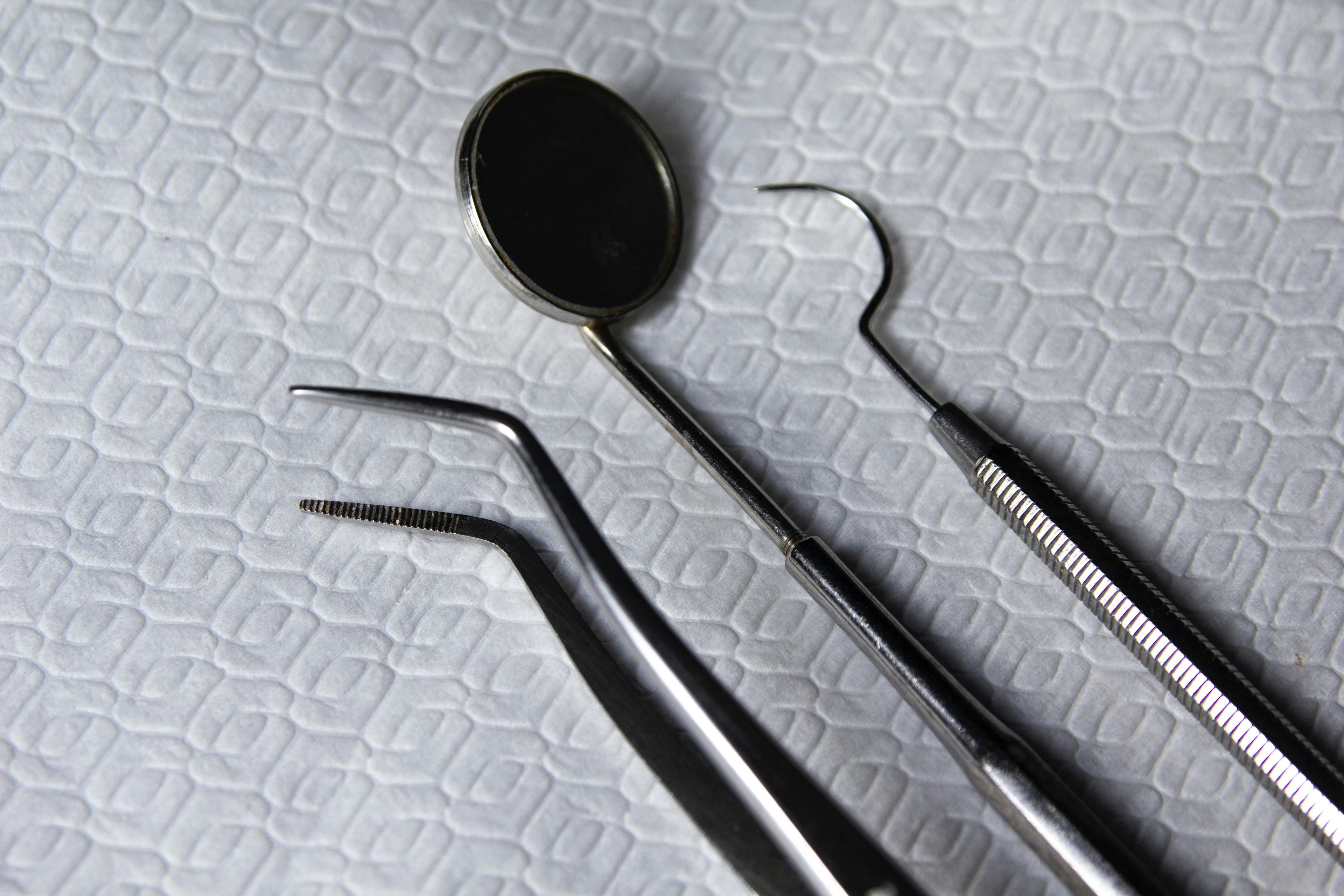
- Regular professional teeth cleaning: A dental hygienist at your dentist or a dental practice checks your oral health, removes plaque and tartar from every corner of your teeth and can build an oral hygiene plan around your individual needs. Regular visits support long-lasting oral health.
- Dental floss or interdental brushes: Cleaning between your teeth is an often neglected but crucial step. Floss or interdental brushes remove food particles and plaque from hard-to-reach areas, which further lowers the risk of tooth decay and gum disease.
- Regular oral health check-ups: Caring for your teeth at home is important, but so are regular check-ups. They help to spot problems early so you can act before they turn into bigger health issues. A proactive approach is the key to lasting oral health.

 Dental Health