What causes receding gums? It often starts with oral hygiene
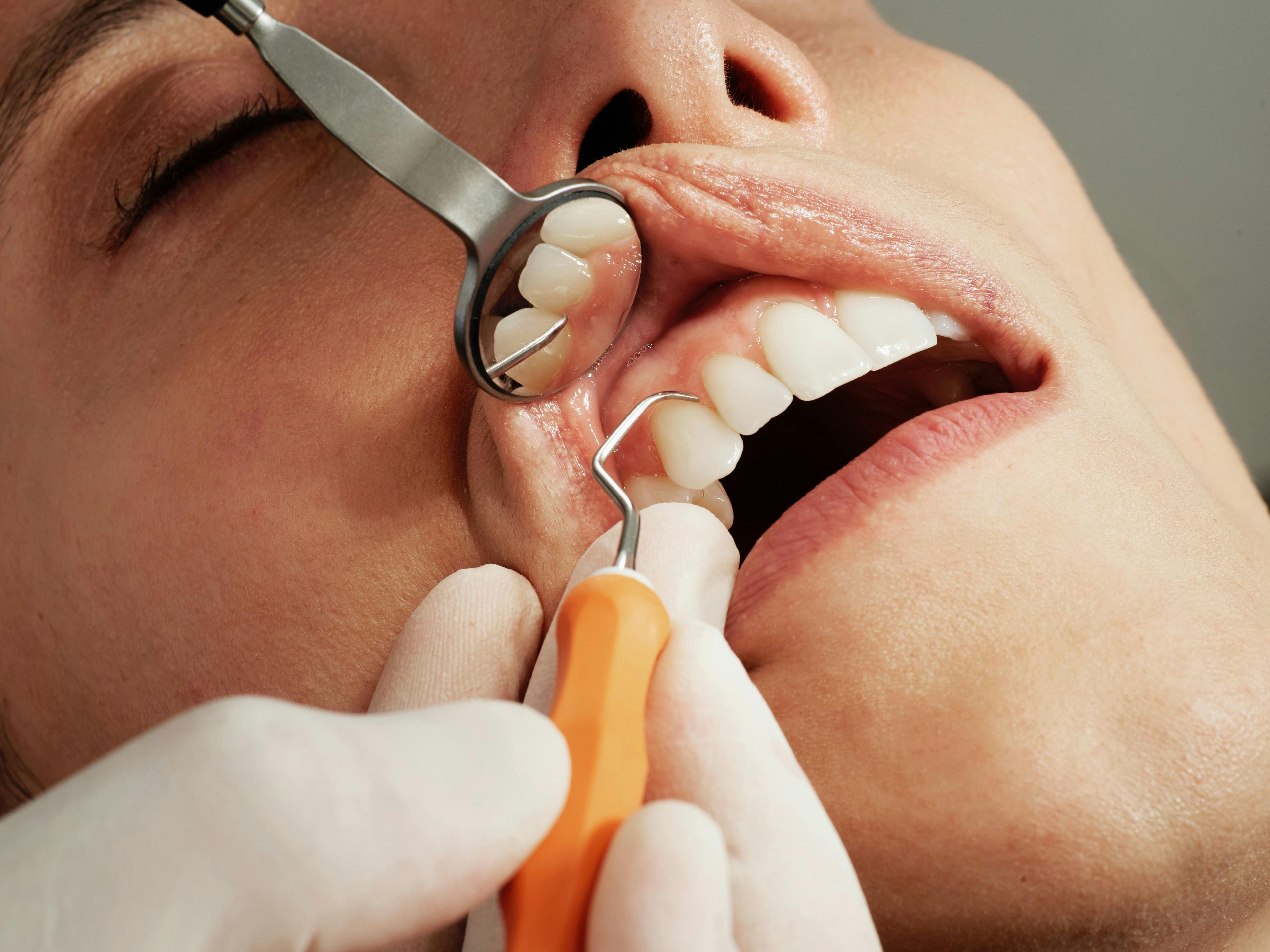
Receding gums, also called gum recession, can have many causes. One of the most common is poor oral hygiene, which lets plaque and tartar build up. Plaque is a sticky film of bacteria that clings to your teeth and can damage the gums (the gingiva). If you don't remove it regularly by brushing thoroughly and using dental floss, it can cause gum inflammation known as gingivitis. Left untreated, gingivitis can progress to periodontitis, a more serious gum disease that damages the tissue supporting your teeth and can make the gums recede.
Other causes of gum recession
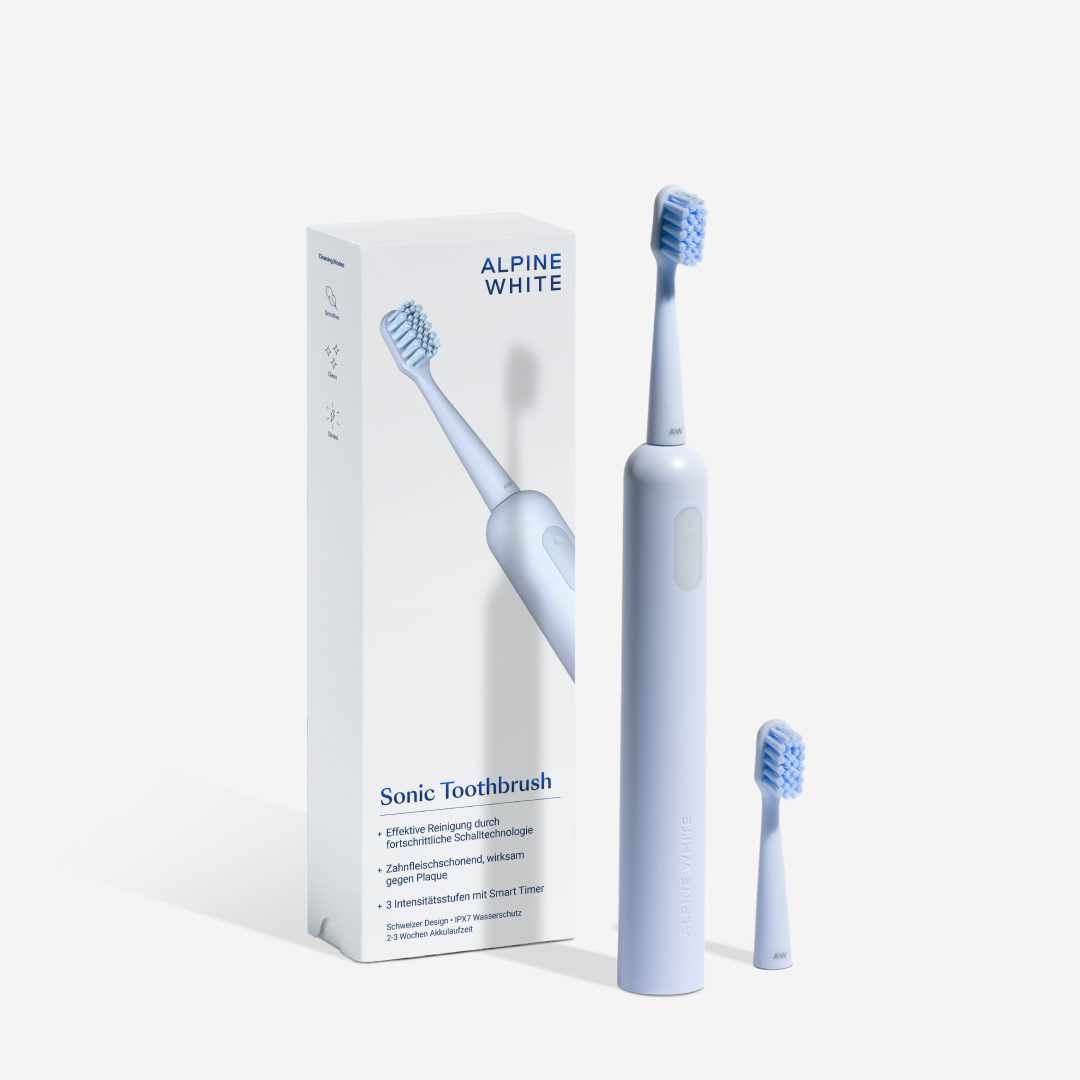
Brushing too aggressively is another common cause. Pressing too hard, using a hard-bristled toothbrush or a poor brushing technique can all damage the gums and make them recede. Good teeth care means brushing your teeth and the spaces between them gently with a soft toothbrush and flossing regularly. The Alpine White Sonic Toothbrush is a gentle everyday option with an ergonomic design.
Receding gums, often accompanied by bleeding gums, can also be caused by misaligned teeth and ill-fitting dental restorations such as bridges and implants, which can put pressure on the gums. Certain general health conditions, such as diabetes and heart disease, and some medications can also play a part.
Night-time teeth grinding (bruxism) can also contribute to gum recession. If you suspect you grind your teeth in your sleep, talk to your dentist. A custom night guard can help protect your teeth and gums.
Genetics can play a role too. If your parents or grandparents had receding gums, your own risk may be higher. An unbalanced diet and a lack of vitamin C can also lead to gum problems.


 Dental Hygiene