
 Oral Care
How to brush your teeth properly for good oral hygiene
Good oral hygiene starts with brushing your teeth properly. Find out what to look for in your daily dental care, from technique to tongue cleaning.

Gingivitis is the earliest and most common form of gum disease. Left untreated, it can lead to periodontitis and even tooth loss. The good news is that gingivitis is reversible with good oral hygiene. Here is how to spot the signs, what causes it and how to keep your gums healthy.

Andrea Seraina
Dental Content Specialist
Gingivitis is the first stage of gum disease, marked by inflammation of the gums (the gingiva) and the tissue that supports the teeth. It is usually caused by bacteria and plaque build-up. Plaque is a sticky film of bacteria that forms on your teeth. If it is not removed, it can harden into tartar, which irritates the gums further, and gum pockets can form as bacteria collect. Inflamed gums are usually reversible with good daily dental care, but if left untreated they can develop into periodontitis, a more serious gum disease, and eventually lead to tooth loss.
You can recognise gingivitis by redness, swelling and bleeding gums. People with inflamed gums may also notice bad breath or a metallic taste in the mouth. Good oral hygiene, such as brushing regularly and using dental floss, helps to prevent gum inflammation. If you think you have gum disease, book an appointment with your dentist or dental hygienist for an examination.
Good to know: healthy gums sit snugly around the neck of each tooth, are pink and fill the spaces between your teeth. If you notice the signs above, contact your dentist or dental hygienist promptly. Bleeding gums that do not settle, persistent bad breath or pain are always worth having checked.
The best protection against gum inflammation is thorough oral hygiene. Brush your teeth at least twice a day, use dental floss regularly and clean carefully between your teeth, where plaque likes to hide. An electric toothbrush can help you brush more effectively.
Just as important are regular check-ups and professional teeth cleaning with your dentist or dental hygienist. If you already have gum disease, they can draw up an individual treatment plan to reverse the damage and support healing at an early stage. Depending on the case, this may mean more frequent professional cleans, antibacterial mouthwash, antibiotics or, in the worst case, surgery. If you act early, you can protect your teeth and gums from gingivitis and other serious dental problems.
You are more likely to develop gum inflammation if you have poor oral hygiene, a build-up of plaque, if you smoke or if you have diabetes. These factors can lead to receding gums and raise the risk of gum disease, so avoid them where you can. Hormonal changes, for example during pregnancy, can also make gums more prone to inflammation.
Many people do not realise they have gum inflammation because the first signs can be subtle. Typical symptoms are red, swollen or tender gums, gums that bleed easily, receding gums and bad breath. If you notice any of these, see a dental professional soon, because gingivitis is reversible when caught early.
If you have gingivitis, the first step is to see your dentist or dental hygienist. They will clean your teeth thoroughly and carry out a deep clean below the gum line to remove plaque and tartar build-up. They may also suggest changes to your home routine, such as brushing gently with a sonic toothbrush or switching to a fluoride toothpaste. In some cases antibiotics are prescribed. If the gum disease is more advanced, scaling and root planing or surgery may be recommended, and you may be referred to a periodontist, a gum disease specialist. With the right treatment, gum inflammation can be reversed and your gums can return to health.
There is no substitute for good oral hygiene and regular dental check-ups, but a few things at home can ease the symptoms of gum inflammation.
For example, try gargling with salt water or using an antibacterial mouthwash containing chlorhexidine. You can also use a fluoride toothpaste, or gargle with a glass of water and two tablespoons of apple cider vinegar, which has antibacterial and anti-inflammatory properties. Gargling with sage or chamomile tea can also soothe the gums and many people find it pleasant.
If your symptoms persist after trying these home remedies, book an appointment with your dentist or dental hygienist for professional treatment.
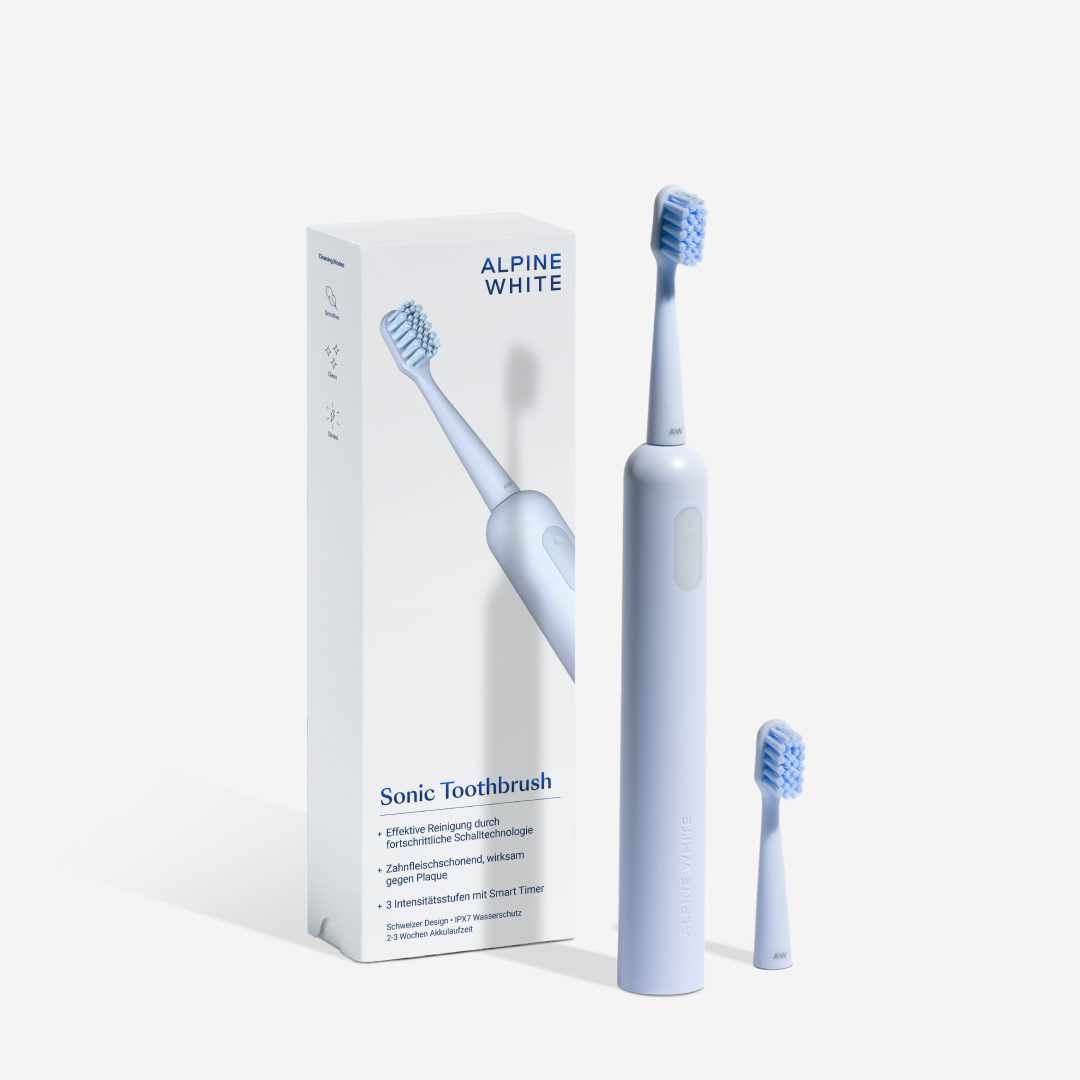
Alpine White products support your daily routine at home. They help to strengthen your tooth enamel and look after your overall oral health. With our Sonic Toothbrush you can gently remove bacterial plaque along the gum line, and our Whitening Toothpaste Extra White helps to remineralise enamel and ease existing tooth sensitivity.
Gingivitis is a real problem that can lead to other health issues over time. Follow the tips above to lower your risk of gum disease, watch for the early symptoms so you can get treatment promptly, and try the home remedies if you already have mild gum inflammation. And of course, our products can support your daily routine too.
Oral CareGood oral hygiene starts with brushing your teeth properly. Find out what to look for in your daily dental care, from technique to tongue cleaning.
 Dental Hygiene
A visit to the dental hygienist does two jobs. Cosmetically, a professional teeth cleaning removes stains and plaque for a cleaner, brighter smile. Medically, it protects your gums and teeth, so they stay healthy for much longer. Here is how a scale and polish works, what it prevents and how to support it at home.
Dental HealthGum disease is one of the most common complications of diabetes, and it can affect your gums, the tissue that holds your teeth in place and even the jawbone. The link works both ways. People with diabetes are more likely to develop periodontitis, and constant inflammation in the mouth makes insulin work less effectively, so blood sugar rises. In type 1 diabetes, periodontitis can even upset blood sugar control. It can also make other complications of diabetes worse, including eye, nerve, kidney and heart disease.