Back to overview
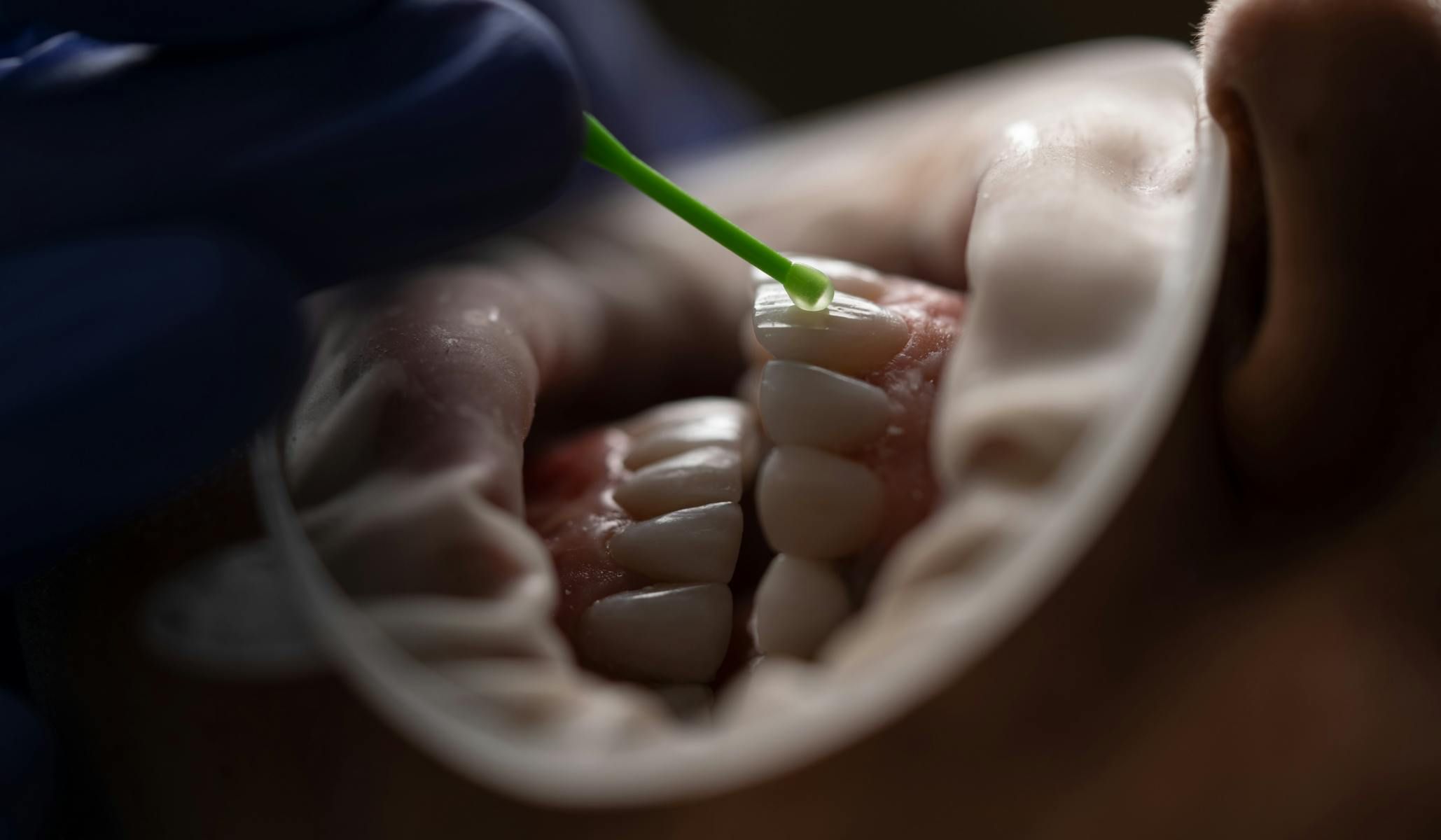
Green applicator treating an upper front tooth, blue gloves in the background

Tooth enamel: how it works and how to protect it

Dental HealthFeb 16, 20234 min read

We all know we should brush at least twice a day, but have you ever wondered why? Brushing removes the plaque and tartar that build up on your tooth enamel. So what exactly is enamel? It is the hardest tissue in the human body and acts as a shield for your teeth, protecting them from the stresses of chewing and biting. Over time, though, this protective layer can wear down. In this guide you will learn how tooth enamel is built, what causes enamel erosion and how to keep your enamel strong.


Andrea Seraina

Andrea Seraina

Dental Content Specialist

What is tooth enamel? Anatomy and structure

Tooth enamel is the hardest tissue in the human body and works as a protective shield for your teeth. It can be up to 2.5 millimetres thick and covers the whole crown of the tooth, protecting the dentine underneath.

Enamel is made of hydroxyapatite crystals, which are built from calcium and phosphorus. This combination makes enamel strong, yet flexible enough to cope with the forces of chewing and biting. It also contains proteins that bind the minerals together. The outer surface is covered by a thin organic film called the pellicle, which helps protect against acids from food particles and bacteria. Enamel is also threaded with tiny pores and tubules.

How is enamel produced?

Enamel is formed by cells called ameloblasts, which secrete the hydroxyapatite minerals that make up the hard outer layer of the tooth. As we get older, our ability to produce these minerals declines, which can leave enamel weaker. That makes it more vulnerable to damage from acidic foods and drinks or teeth grinding, which in turn can lead to cavities and other dental problems. To counter this, top up your enamel with good oral hygiene: brush twice a day with fluoride toothpaste and floss regularly. A balanced diet with calcium-rich foods such as dairy products, leafy greens, pulses and nuts can also help strengthen enamel over time.

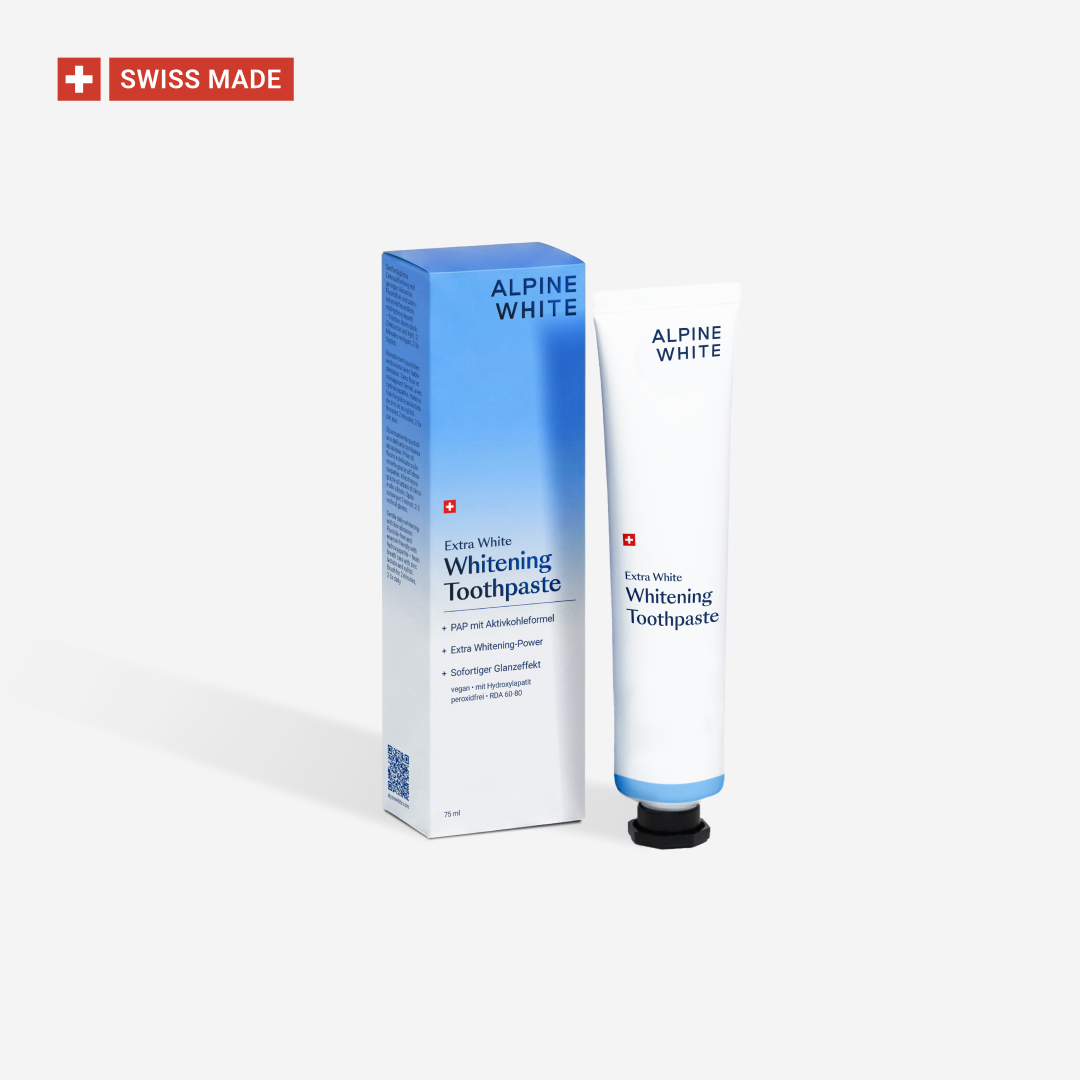
Folding box and tube ALPINE WHITE Extra White Whitening Toothpaste, “Swiss Made” note
4.7(69)

Whitening Toothpaste Extra White

€ 19.90

75 ml • € 26.53

Learn more

How does enamel protect your teeth?

Enamel is hard, but it is also surprisingly delicate. Its mix of proteins, minerals and salts gives it the structure to withstand daily wear and tear. Together these elements form a shield that helps keep your teeth safe from tooth decay and cavities. This tough yet delicate substance is also what gives us our pearly white look.

Why does enamel wear down over time?

Enamel is the hardest substance in the body, but it is not indestructible. Every day it is challenged by brushing too hard, teeth grinding and acidic foods. Bacteria add to the damage by producing acids that attack the enamel and by forming plaque. Because enamel does not regenerate naturally, enamel erosion is permanent if it is left unchecked.

Which foods help strengthen your enamel?

Eating the right foods helps protect your enamel. Calcium-rich foods such as dairy products, leafy greens, pulses and nuts are particularly good, because calcium helps replace minerals lost through daily wear or acids. Crunchy fruit and vegetables such as celery or apples stimulate saliva, which helps wash away food residue between meals. Drinking plenty of water also flushes out bacteria that can contribute to weakened enamel over time.

Which foods and drinks cause enamel erosion?

A healthy diet matters for strong teeth and gums, yet some foods can attack your enamel. Citrus fruit, fruit juices, sugary snacks and fizzy soft drinks are well known for wearing enamel down. Acidic products can lead to cavities and tooth sensitivity in the future. If you do enjoy them, rinse with water afterwards or drink plain water with your meal to reduce the acidity in your mouth. Cutting back on sugar, coffee, sweets, fizzy drinks and wine also helps keep your enamel healthy.

How can you tell if your enamel is weak?

The best approach is to listen to the signals your teeth give you. The first sign of weak enamel is usually sensitivity when you eat or drink something hot or cold. If your teeth feel very sensitive, your enamel may be weakened. Another clue is the colour of your teeth: discolouration can mean the enamel is damaged. If you can clearly see the individual ridges on your teeth, too much of the surface has probably worn away. If any of this sounds familiar, or something simply feels wrong, book a check-up with your dentist.
What can you do if your enamel is worn away?

If your enamel is damaged, it may feel as though there is no way back. In fact, there are steps you can take to protect your oral health. First, see your dentist or dental hygienist as soon as you can to work out the best course of action. They can recommend fluoride treatments, or special toothpastes and mouthwashes designed for people with weakened enamel. You should also limit sugary and acidic foods, as these can wear away what is left of your enamel.

How to protect your enamel with the right dental care

A good brushing technique and solid oral hygiene not only prevent toothache but also preserve your enamel. Brush regularly and have a professional clean (a scale and polish) with a dental hygienist. Choose a fluoride toothpaste, because fluoride helps remineralise and strengthen enamel. A fluoride gel can help too. Avoid hard toothbrushes and vigorous scrubbing. Learn more about the right technique in this oral hygiene article. Flossing regularly removes food particles from between your teeth that a toothbrush cannot reach, and drinking plenty of water helps rinse away bacteria.

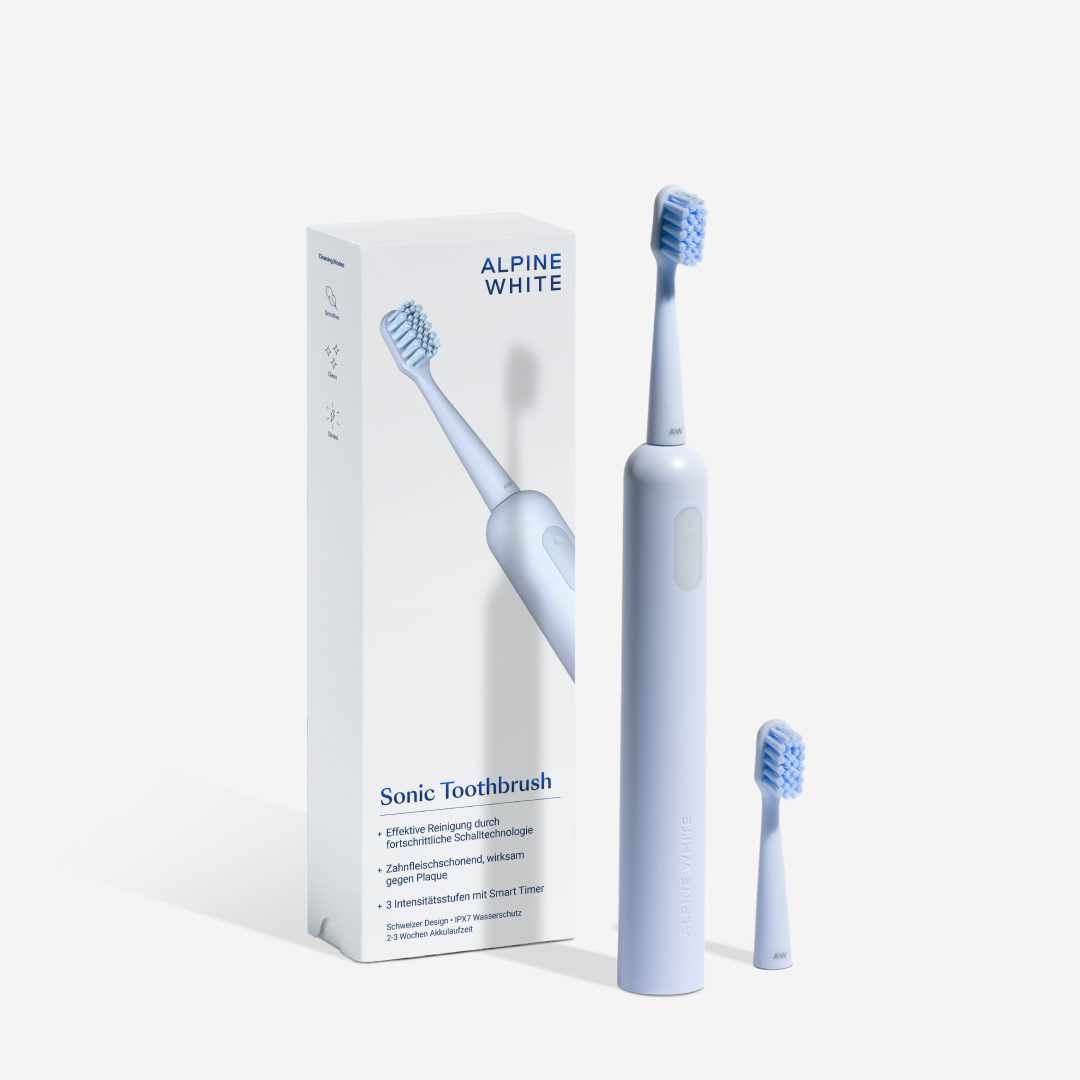
Sonic Toothbrush next to its packaging and a replacement brush head against a light background
5.0(3)

Sonic Toothbrush

€ 99.90

1 pc • € 99.90

Learn more

This might also interest you

Laughing man with curly hair against a white backgroundDental Health

Teeth grinding: what you need to know

Ever woken up with a sore jaw and wondered if you were grinding your teeth in your sleep? You are far from alone. Teeth grinding, also known as bruxism, is surprisingly common. The good news is that there are several ways to reduce its effects. Here is what causes teeth grinding, how to spot it and how to treat it.

Laughing woman with closed eyes and hat in warm evening lightDental Health

What causes a dry mouth?

A dry mouth (xerostomia) is common and can have many causes. The good news: there is plenty you can do to ease the symptoms. Here we look at the most likely causes of dry mouth and share simple tips to keep your mouth comfortable and your teeth protected.

Carrots, oranges, ginger, lemon and chilli beside a bottle of juice on woodNutrition & Lifestyle

Foods for healthy teeth: what to eat and what to avoid

You brush twice a day and clean between your teeth, but are you doing everything you can for a healthy mouth? What you eat and drink affects your teeth and gums, both in the short and the long term. In this guide we show you the best foods for healthy teeth, and the foods and drinks that are better kept to a minimum.