If you have sensitive teeth, even harmless triggers such as hot, cold or sour food and drink can cause a sudden twinge of pain. Sometimes a spoonful of sweet jam is enough. The pain usually passes quickly, but you should not simply ignore it. Anyone can develop sensitive teeth, so it helps to know the causes and what you can do about them.
What is tooth sensitivity?
Dentists call painful, sensitive teeth dentin hypersensitivity. It is usually caused by exposed tooth necks after the gums have receded. The neck of the tooth is the transition between the crown and the root, and it should normally be covered by the gums. When the gums recede, the sensitive neck is exposed and temperature stimuli travel much faster to the inside of the tooth.
What causes sensitive teeth?
Tooth sensitivity usually comes from wear of the tooth enamel, the outer layer of the tooth, or from receding gums.
Both processes expose the dentin underneath. Thousands of microscopic channels, called dentinal tubules, run through the dentin to the centre of the tooth, where the nerves are. These channels pick up temperature stimuli, which irritate the nerve and cause pain.
This can happen simply through the wrong brushing technique: pressing too hard, scrubbing with the toothbrush or using a very abrasive toothpaste. Anything that brings stomach acid into the mouth can also erode the enamel, as can eating or drinking too many acidic foods and drinks.
Why are my teeth sensitive to cold?
Teeth that react strongly to cold and heat usually have exposed dentinal tubules. Cold or heat travels through the open channels, stimulates the nerve and causes a short, sharp pain. In extreme cases, even a light touch can hurt.
Exposed tooth necks
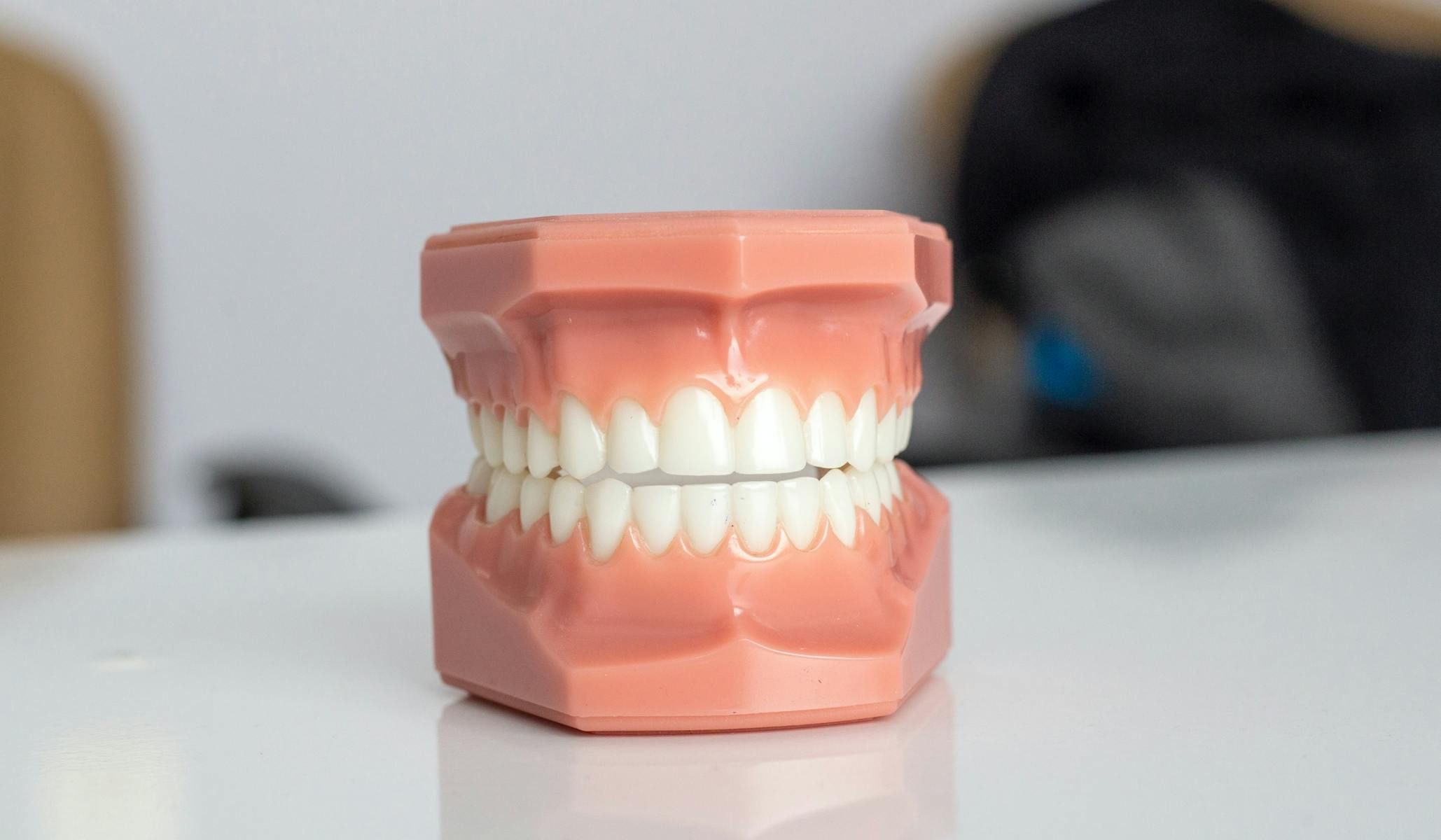
Normally only the crown of the tooth is visible. If more of the tooth is showing, the tooth necks are exposed, which can lead to constant pain and hypersensitivity. In this case, treatment is usually necessary.
The crown is protected by hard enamel, which blocks outside stimuli such as heat and cold. Beneath the enamel lies the dentin. If this protective layer is damaged, the tooth can become sensitive to pain.
Exposed tooth necks are often a result of periodontitis, where poor oral hygiene and bacteria attack the tissue that supports the teeth. This leads to inflammation, with swelling and redness of the gums. The tissue then pulls back from the tooth necks, which can make your teeth sensitive.
Another cause is enamel erosion. The main factors are an incorrect brushing technique, toothpastes that are too abrasive and acidic drinks (acid erosion of the enamel).
Very sensitive teeth after cleaning can also point to a wrong brushing technique. Our article on teeth care shows how to brush properly to avoid sensitive teeth.


 Dental Health