Your teeth: unique and full of information
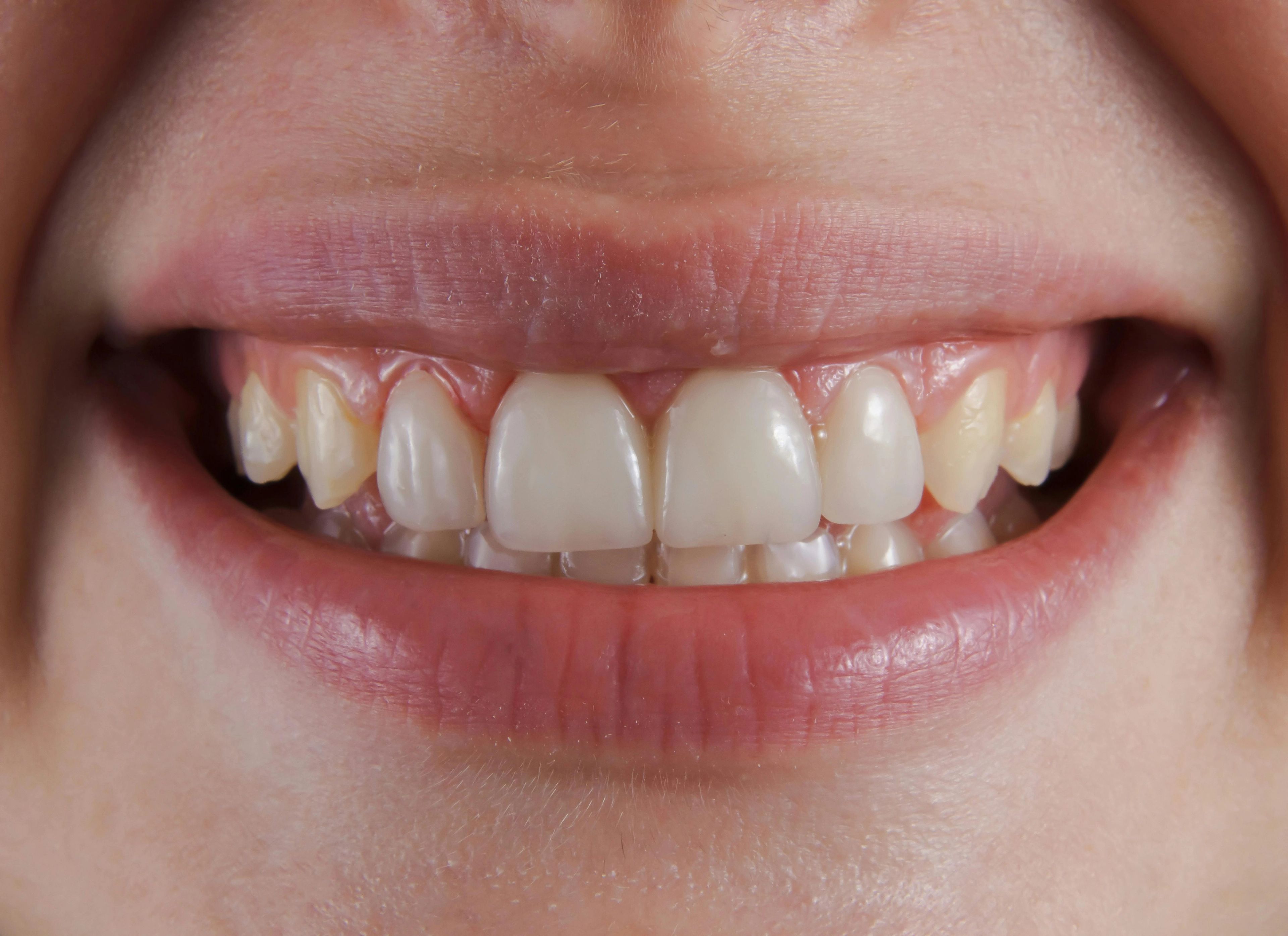
Every set of teeth is unique. Like a fingerprint, it can help to identify a person, and it can reveal details such as age, gender, DNA and past illnesses.
A natural adult set has 28 or 32 teeth, depending on whether the wisdom teeth are present. Some people never develop wisdom teeth for genetic reasons, and others have them removed early because there is too little space.
The upper and lower jaw hold 14 or 16 teeth each. Altogether you have 8 incisors, 4 canines, 8 premolars and 8 or 12 molars. The molars are essential for grinding food, while incisors and canines bite off and cut it into pieces.
What is the structure of a tooth?
Tooth anatomy has three main parts, the crown, the neck and the root, and the tooth itself is built from several layers of hard and soft tissue.
The crown and the neck of the tooth
The crown is the visible part of the tooth, the part not covered by the gum. With healthy teeth and gums, you only see the crown. The gum normally covers the neck of the tooth. If the gum recedes because of disease, the neck becomes visible.
The tooth root
Each tooth is anchored by one or more roots. Incisors, canines and premolars have one or two roots. Large molars have several roots with up to four root canals. Canines have the longest roots of all.
The root and the neck are covered by cementum. This bone-like layer is made mostly of hydroxyapatite, plus water, tissue and fibres. It anchors the flexible Sharpey's fibres, which cushion the pressure of chewing.
Tooth enamel: the hardest substance in the body
A tooth is made up of three layers. The outermost layer is the tooth enamel, which covers the crown. Enamel is the hardest substance in the human body, comparable to quartz in hardness.
Enamel consists almost entirely of minerals, which makes it extremely resistant. Fluoride strengthens it further against demineralisation by acids, and extra fluoride can help to prevent cavities. However, once enamel is destroyed, it is lost for good.
Enamel loss, usually caused by acids, is normally painless and barely noticeable, so it is often only discovered late.
Dentin
Beneath the enamel lies the dentin. It surrounds the tooth nerve and is about as hard as bone. In the crown it is covered by enamel, and in the root by cementum. Cementum anchors the tooth in the jawbone with the help of fibres, but it is less resistant than enamel.
The pulp (tooth nerve)
The pulp fills the inside of the tooth. People often call it the tooth nerve because it contains the nerve fibres, and it is the most sensitive part of the tooth. Blood and lymph vessels also run through the pulp and supply the tooth.
What holds a tooth in place?
The supporting structure of the tooth is a functional system made up of the gums, the periodontal ligament, the cementum and the surrounding bone (alveolar bone). Together, these tissues absorb the forces placed on the tooth.
The gums
The gums are part of the oral mucosa. They wrap around the neck of the tooth like a collar and help to hold it in place.
Healthy gums are light pink and should not bleed when you touch them or brush your teeth. Regular checks of your gums help to spot inflammation and other problems in the mouth early.
That is why your dentist looks at your gums at every check-up, and your dental hygienist does the same during a professional teeth cleaning (scale and polish). Cleaning between your teeth once a day also protects your gums.
Cementum and the periodontal ligament
This thin layer covers the root from the neck to the tip. Through its fibres, the cementum connects the tooth to the socket. Your tooth is not fused to the bone but suspended by this fibre apparatus, and the fibres support chewing by stimulating bone-forming cells.
The periodontal ligament cushions the pressure when you bite down. It surrounds the whole root of a healthy tooth and fills the gap between the root and the bony socket. Besides nerves, it contains blood and lymph vessels.
Primary (baby) teeth
Both primary and permanent teeth are already present in the jaw at birth. The first baby tooth erupts at around six months, and the permanent teeth usually start to come through at around the age of six.
Dental bridges
A broken or missing tooth can be replaced with a dental bridge made by your dentist. The bridge rests on your natural teeth and can restore your smile, your ability to speak and chew, and the shape of your face.
How to care for your teeth, from crown to gum line
To protect your oral health and avoid gum inflammation, brush your teeth regularly. Daily care cleans the visible surfaces such as enamel, fissures and the gum line, and removes bacterial plaque and food debris. This protects your teeth from micro-organisms, cavities and gum disease, and helps you avoid toothache and the damage that comes with it.
A sonic toothbrush can make daily brushing at the gum line gentler and more thorough. If you have pain, bleeding gums or other problems with your teeth or gums, speak to your dentist.

 Dental Health