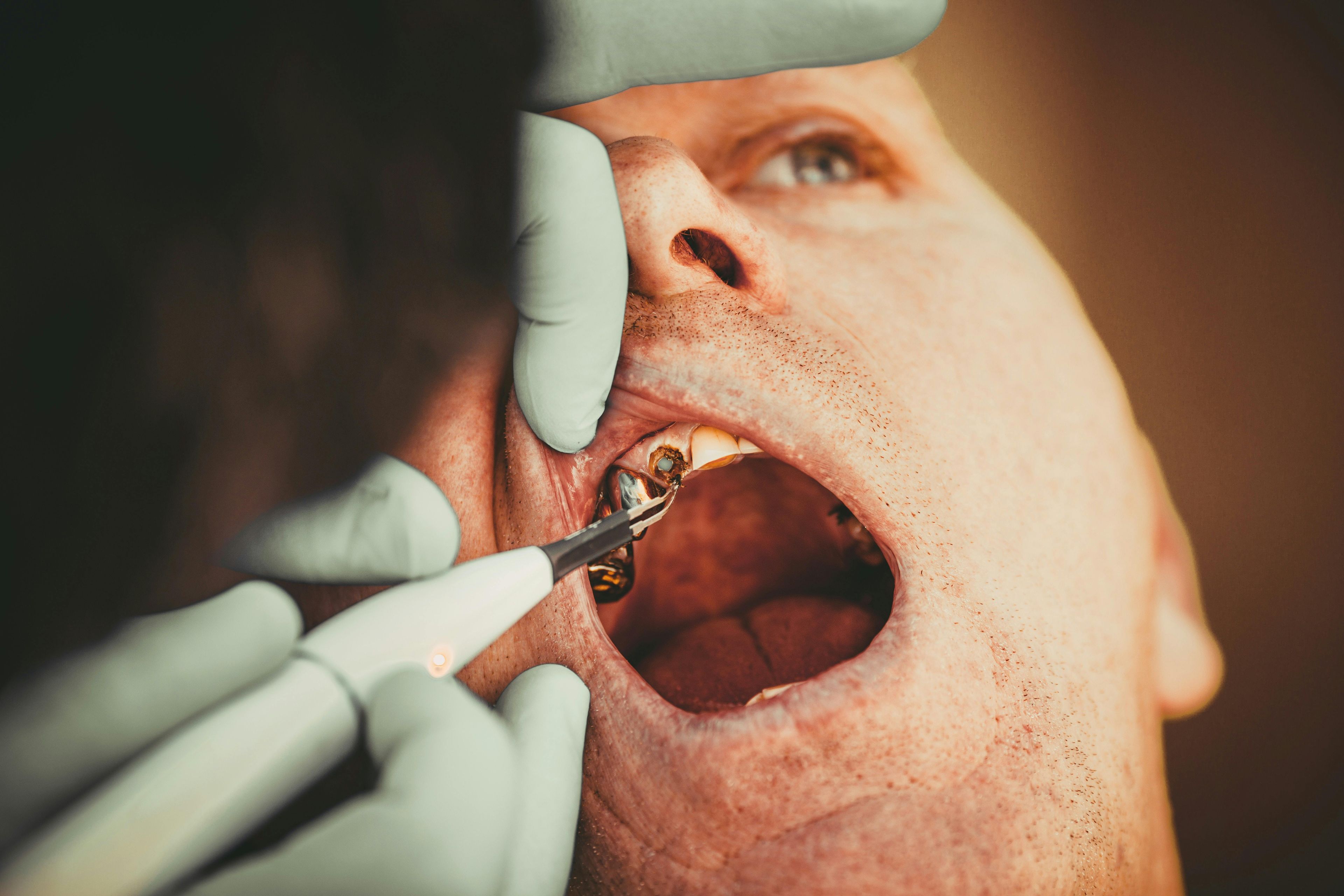
What is dental fluorosis and what are its symptoms?
Dental fluorosis is a condition caused by taking in too much fluoride while the teeth are developing. Fluoride is useful for keeping your teeth healthy, but large amounts can cause problems. The symptoms of fluorosis include white spots and streaks on the teeth, discolouration, increased staining and roughness, pitted enamel and even brittleness. Most of these symptoms are purely cosmetic, but brown stains on the teeth can still affect self-esteem. It is important to take precautions and keep fluoride intake low.
Fluorosis can affect both permanent and baby teeth, but there are some important differences. In general, it is more pronounced in permanent teeth than in baby teeth, because they are exposed to fluoride for longer and the enamel is less developed. On permanent teeth it often shows up as yellow or brown spots on the surface, while on baby teeth it tends to appear as white spots or streaks.
What is fluorine?
Fluorine is a chemical element with atomic number 9. It is one of the most abundant elements in nature and can be found in rocks, soil, water, air and even living organisms. In its pure form it is a highly reactive, toxic gas and is rarely found in nature, but it readily forms compounds with other elements.
Fluorine compounds have long been used in toothpaste and other dental care products to prevent tooth decay. More recently they have also been added to drinking water supplies or applied to soil in fertiliser programmes to increase crop yields and reduce insect infestations. Besides dentistry and agriculture, fluorine is used in many industrial processes, such as nuclear power and aluminium production, because it is so reactive.
What is fluoride?
Fluoride is the negatively charged ion of fluorine, found in various chemical compounds. Combined with sodium, for example, it forms the salt sodium fluoride (NaF).
Fluoride is a natural mineral that features heavily in dental care, for example in toothpaste, mouthwash and children's toothpaste. In fact, fluoride is the most commonly recommended preventive measure for adults and children who are at risk of tooth decay or other oral health problems because of poor hygiene or an unbalanced diet. It is also present in everyday products such as water, food, table salt, some dietary supplements and even certain fruits and vegetables. Many communities add fluoride to drinking water to help fight tooth decay in children.
How can you prevent dental fluorosis?
Most people have heard of fluorosis, but not everyone understands it. Brushing and flossing regularly helps keep your teeth healthy, and it is especially important that children use toothpaste with a low fluoride content. To prevent the problem, limit the amount of fluoride from drinking water, fluoride tablets and certain foods.



 Dental Health