 Oral Care
How to brush your teeth properly for good oral hygiene
Good oral hygiene starts with brushing your teeth properly. Find out what to look for in your daily dental care, from technique to tongue cleaning.

Stained, chipped or uneven teeth? Find out what veneers and teeth whitening can do, how they differ and which one suits your smile.

Andrea Seraina
Dental Content Specialist
A smile says a lot, and first impressions count. An attractive smile can be your best asset, while yellow teeth or gaps can hold you back. If you want a quick, simple fix, the choice usually comes down to dental veneers or teeth whitening. This guide explains how each works, what each can and cannot do, and how to decide.
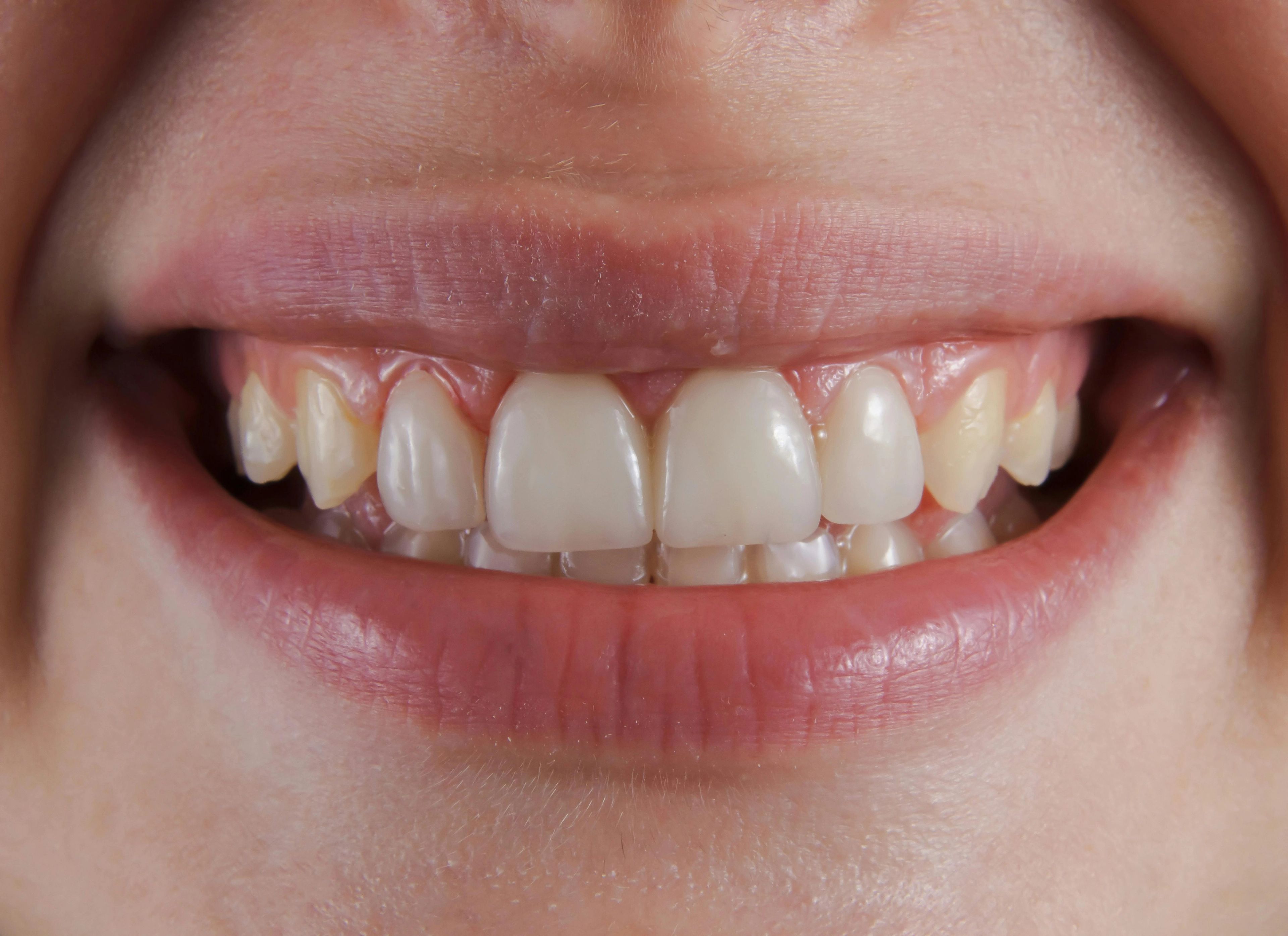
Veneers are wafer-thin, translucent ceramic shells. Your dentist bonds them to the surface of your teeth with a special adhesive, mostly on the front teeth. They can correct a range of cosmetic concerns, such as discoloured teeth, chipped teeth, misalignments and gaps.
Veneers have become a staple of cosmetic dentistry. Whether your teeth are chipped, cracked, discoloured or crooked, veneers are an efficient way to improve your smile without complicated orthodontic treatment. They are bonded over your existing teeth and can be shaped and shaded to match your natural smile. With benefits ranging from durability to comfort and looks, it is no surprise that so many people choose porcelain veneers.
At the first appointment, your dentist removes a small amount of enamel from each tooth so the veneer sits comfortably and does not look bulky. An impression of your teeth is then sent to a laboratory, where the veneers are made to measure. When they come back, colour and fit are checked before they are bonded on with a special resin cement. Finally, each veneer is polished until it shines like natural enamel.
Veneers can solve the most common cosmetic tooth problems in one procedure, from staining and chips to gaps and uneven sizes. They are also less invasive and usually less costly than crowns and bridges. Because they are bonded to the tooth surface, they also help protect it from wear. With regular brushing and flossing, they can look natural and healthy for years.
Veneers are a popular cosmetic procedure, but they have drawbacks. Cost is one: professional fitting needs several visits and careful work, so it can be expensive. They are also permanently bonded to your teeth, so any underlying problems with those teeth remain after the veneers are fitted.
Sometimes perfect teeth also need orthodontic treatment with aligners or braces, which can effectively correct bite problems and crooked teeth. To keep straight teeth straight, you then need to wear a retainer and keep up thorough, regular dental care.
Good care helps your veneers last. Avoid foods and drinks that can stain them, such as red wine and coffee. Brush twice a day as usual, but be gentler around the veneers. As part of your daily teeth care, see your dentist for a check-up at least every 6 months to make sure everything stays healthy. With a little effort, you can enjoy good-looking veneers for years.
The price of veneers depends on the type of veneer, how complex the treatment is, your dentist and the country you live in. Ask your dentist for a written quote per tooth before you decide.
Here is a quick comparison of the two options so you can see where they differ.
Teeth whitening lightens your teeth by removing stains and discolouration. It can be done professionally at your dentist or at home, and it is safe for most people. However, it does not cover damage or flaws on the tooth surface, so it is not recommended if you have extensive dental work, fillings, chips or cracks. Results also vary from person to person and are not always permanent.
If your teeth are damaged, discoloured or misaligned and you want a quick, effective fix, veneers could be the right choice. They hide imperfections, last well and are easy to maintain. They are not suitable for everyone, though, and need special care once fitted.
As you can see, both options have pros and cons, and your teeth can be whitened in either case. In the end, your own dental situation and wishes decide. If you have misaligned teeth or want a completely new smile, veneers are more likely to be recommended. If the colour of your teeth bothers you and you want to remove stains and whiten your teeth, teeth whitening is enough and is usually the more affordable route. Your dentist can advise you on which suits you best.
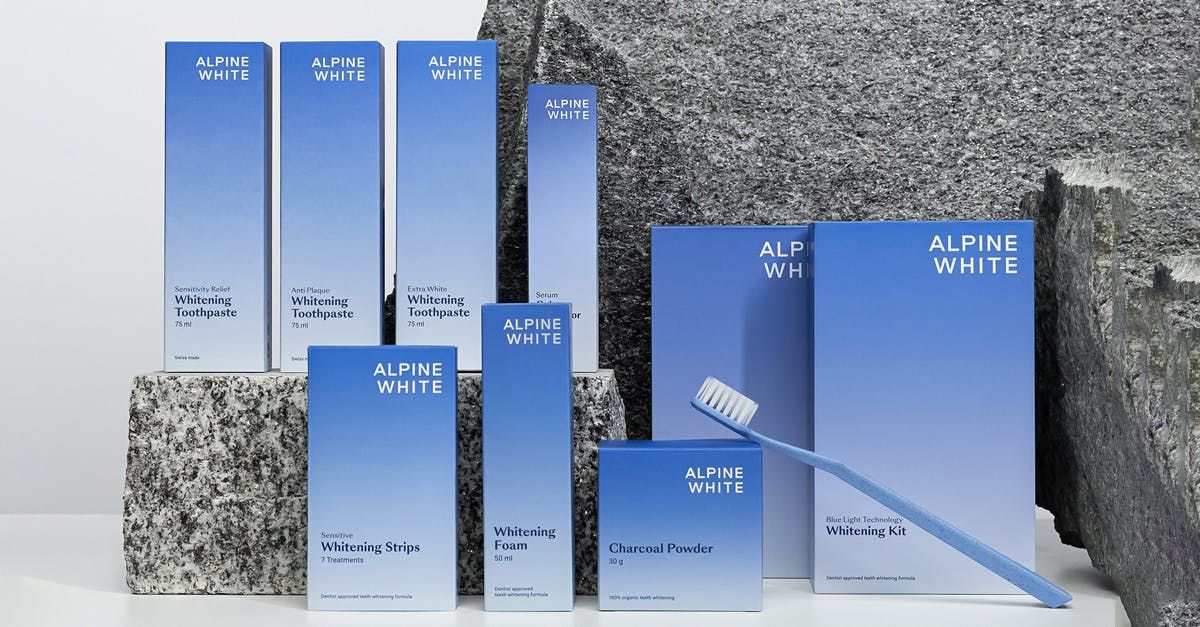
Alpine White does not offer veneers, but we do have a range of whitening products that help you towards a healthy, white smile. Our Whitening Toothpaste Extra White gives your natural teeth a fresh shine while caring for your gums, protecting against decay and supporting your enamel.
For stronger results at home, try our whitening strips or the Whitening Kit. If you are unsure how healthy your teeth are, or you want a thorough clean first, ask your dentist or dental hygienist for advice, then use Alpine White to maintain your results between visits.
Oral CareGood oral hygiene starts with brushing your teeth properly. Find out what to look for in your daily dental care, from technique to tongue cleaning.
 Teeth Whitening
A bright white smile looks great, but in real life perfectly white teeth are rare. Yellow or brownish teeth are far more common, and there is usually a simple reason behind them.
 Oral Care
Not sure which teeth whitening product is right for you? Compare our whitening strips, Whitening Kit, Colour Corrector Serum, whitening toothpaste and Sonic Toothbrush, and find your match.