Back to overview
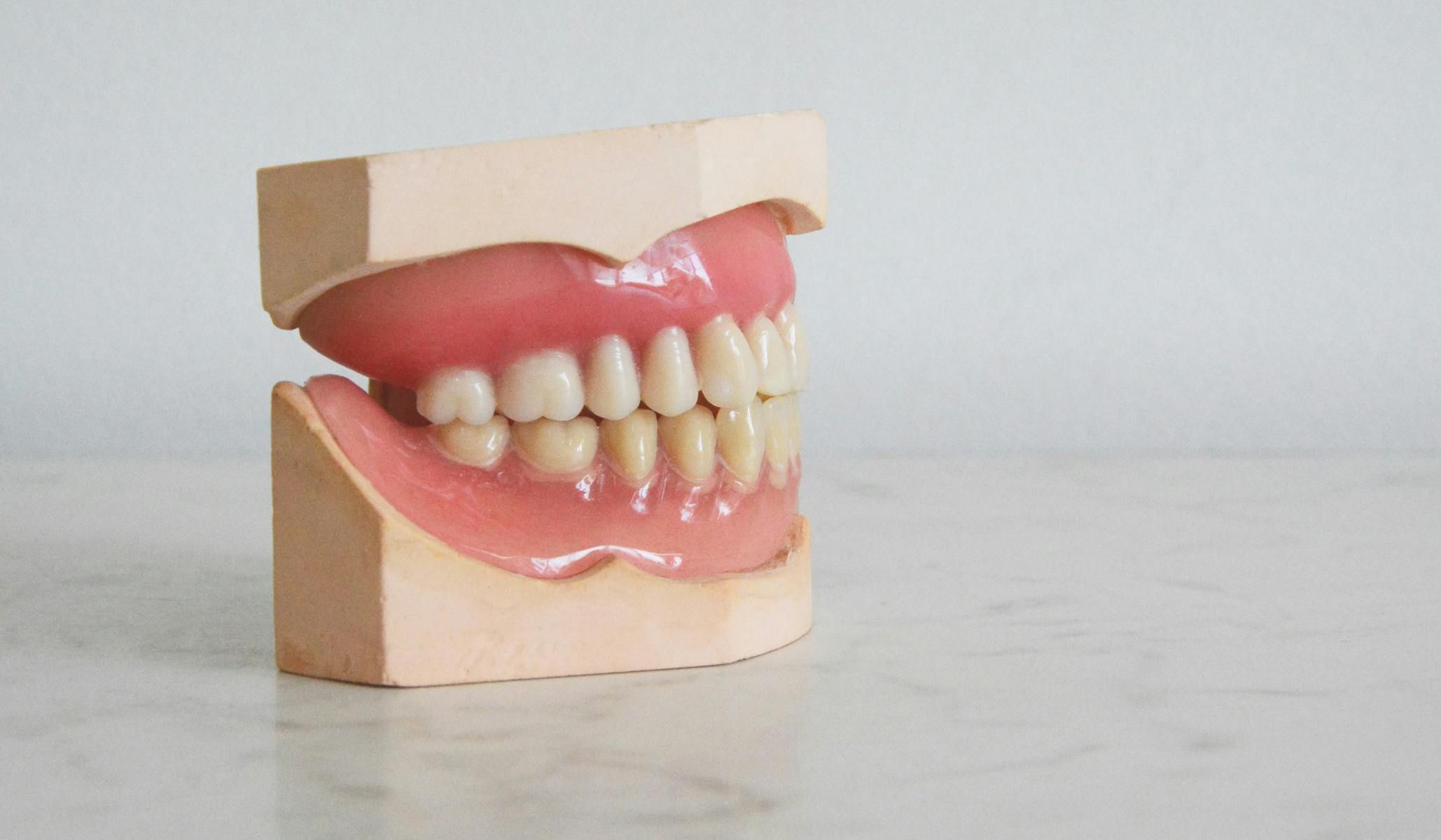
Model of a denture with light teeth and pink gums

Yellow teeth: what causes them and how to whiten them

Teeth WhiteningMay 17, 20235 min read

Frowning at yellow teeth in the mirror? Don't worry. Yellow teeth are very common, and you can often do something about them. In this guide you will learn why teeth turn yellow, how to remove tooth stains and which teeth whitening options are worth knowing about. With a few simple tips, the right products and a little know-how, you can whiten your teeth while protecting your enamel and gums.


Andrea Seraina

Andrea Seraina

Dental Content Specialist

Why are my teeth yellow? Common causes

Yellow teeth are not much fun, and tooth discolouration can build up quickly. So what actually causes yellow teeth? Several factors play a part. Coffee, tea and curry can leave stains on your teeth, and cigarette smoke and alcohol are also known to discolour them. Yellow teeth are not always a sign of poor dental care either, because your genes play a role too. To help prevent yellow teeth, cut back on coffee, tea, cigarettes and alcohol, and eat strongly coloured foods such as turmeric in moderation. Good oral hygiene, regular brushing and regular dentist check-ups are just as important for preventing stains and keeping your teeth healthy.

How can I whiten yellow teeth naturally at home?

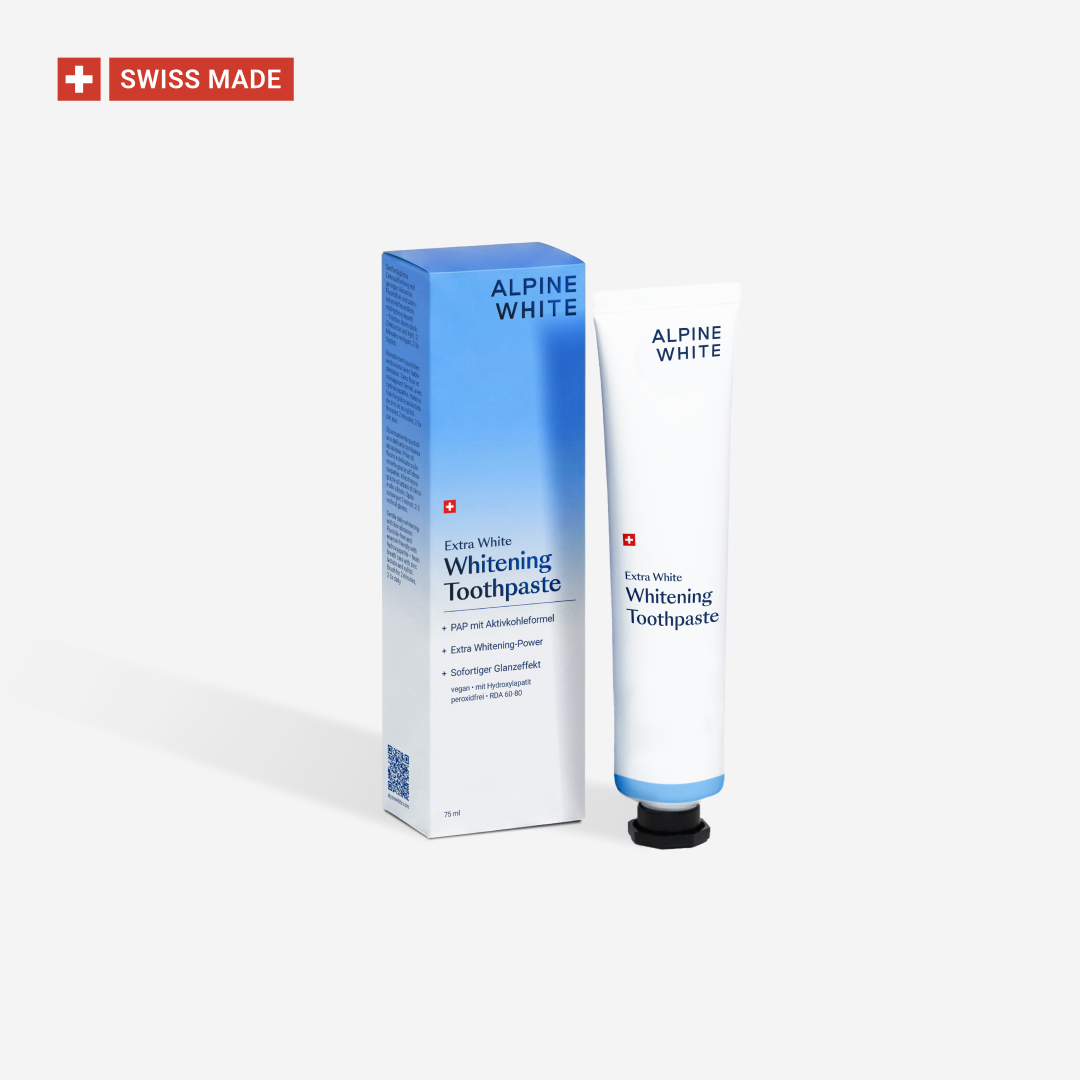
If yellow or stained teeth bother you and you want a gentle way to whiten them, there are plenty of natural options. You can try activated charcoal, strawberries or matcha to help restore your natural tooth colour. Matcha is known for its benefits in the mouth, so read our article on matcha and oral health to find out more. Another natural method is oil pulling with coconut oil, which can have a mild whitening effect. Home remedies such as baking soda are also used to whiten teeth. A whitening toothpaste can help too: our Whitening Toothpaste Extra White whitens your teeth without attacking the tooth substance and protects it instead.

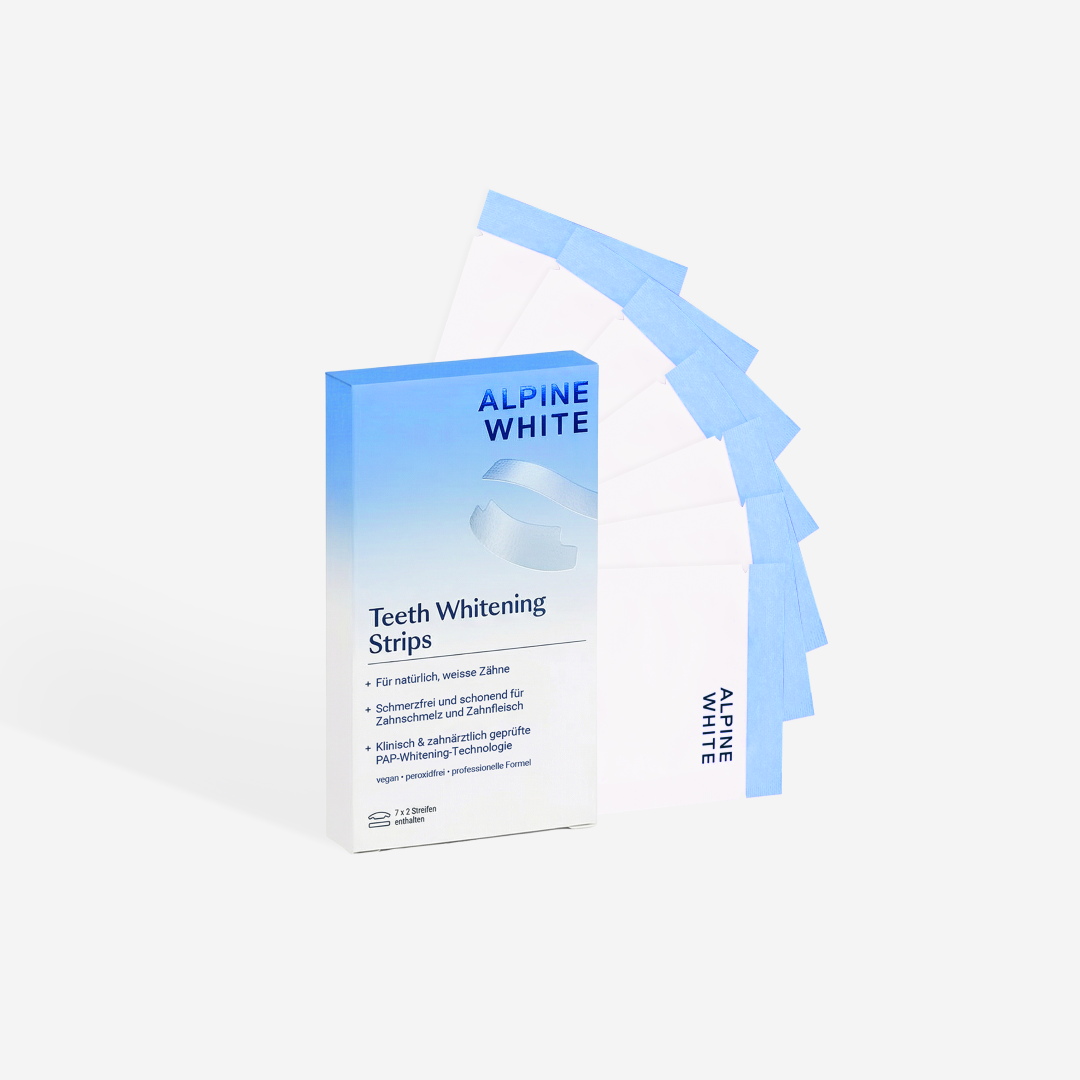
ALPINE WHITE Whitening Strips: pack with fanned-out pouches
4.4(128)

Whitening Strips

€ 29.90

14 pc • € 2.14

Learn more

Which teeth whitening options are there?

White teeth are a popular beauty ideal, so many people look for a quick way to whiten their teeth. Have you thought about it too? There are plenty of options, from whitening toothpaste to professional bleaching at the dentist and at-home whitening, plus professional teeth cleaning with a dental hygienist. Whatever your budget, there is a way to make your teeth look whiter.

It helps to understand the different types of teeth whitening before you decide. Did you know that some methods can make sensitive teeth worse? Or that some give faster results than others? Here is a quick overview of the ways to whiten yellow teeth:

Power bleaching

Power bleaching, which uses hydrogen peroxide, is one such method. Whether it is healthy for your teeth is covered in our blog article on power bleaching.

Professional bleaching at the dentist

Your dentist can offer tooth-friendly bleaching in the practice. A whitening gel is applied under professional supervision to lighten your teeth gently. Ask your dentist which approach suits your teeth best.

Veneers

Another popular option is veneers: wafer-thin shells of ceramic or plastic that are placed on the front of the teeth to improve their appearance and hide stubborn discolouration.

At-home whitening

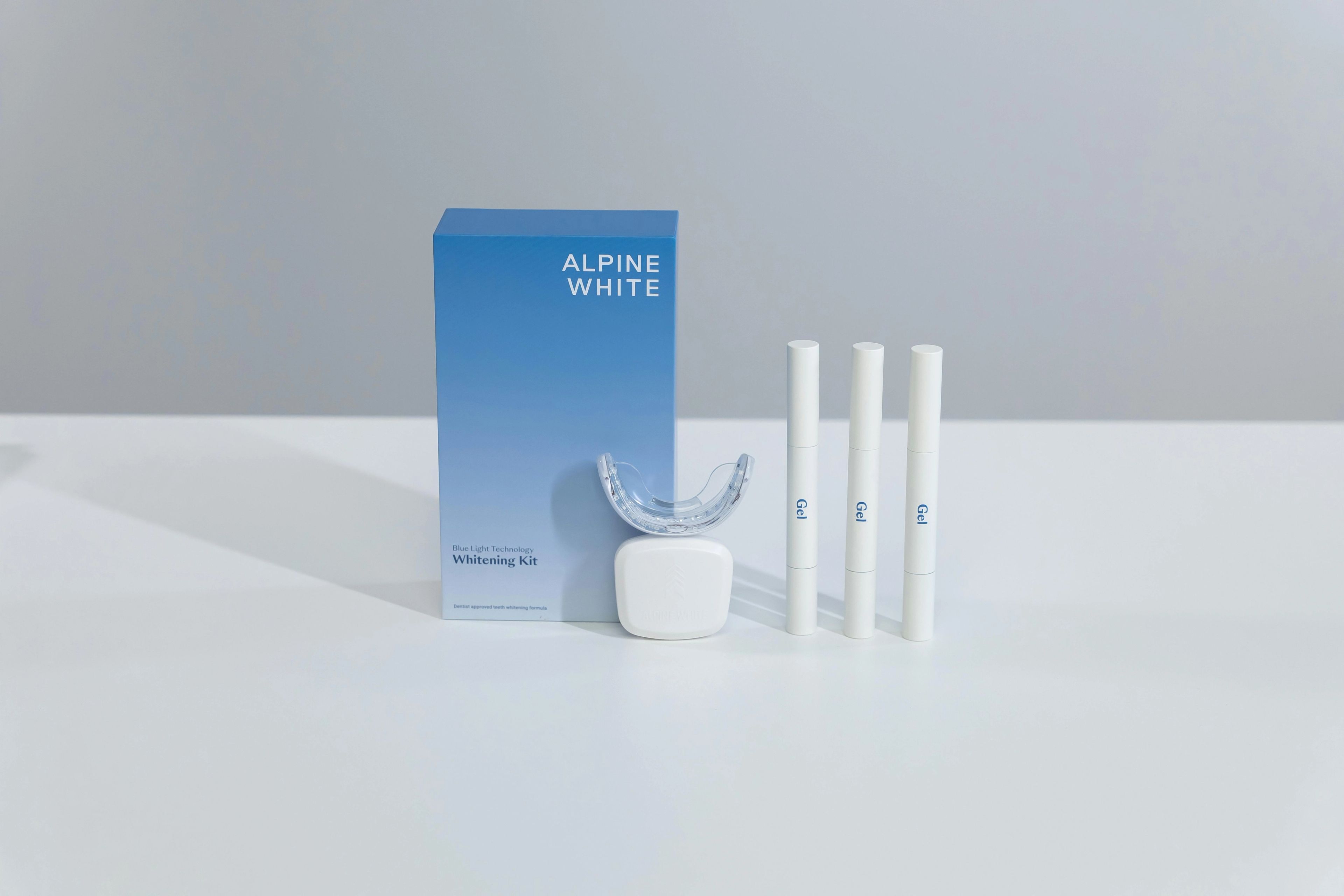
If you prefer to whiten your teeth at home, Alpine White offers a range of products, such as our whitening strips and the Whitening Kit. To find out which product is best for you, read this blog post.

Is professional teeth whitening worth it? Pros and cons

A bright Hollywood smile sounds tempting, doesn't it? Before you book a professional treatment, though, weigh up the pros and cons. The benefits are clear: you get a whiter smile and feel more confident.

On the other hand, there are some drawbacks to be aware of. Treatment can be quite expensive, and it can cause sensitivity or discomfort in the mouth. With some treatments there is also a risk of tartar build-up.

It is worth knowing that suitable whitening agents can remove this tartar while whitening healthy teeth at the same time. Read our article on bleaching to find out more.
How do I keep my teeth white after whitening?

Who doesn't dream of bright white teeth? After bleaching or a professional clean with a dental hygienist, the question is how to keep your teeth white for as long as possible while protecting your enamel and gums. Start with regular, thorough oral hygiene. That means brushing your teeth every day, and also flossing and using mouthwash. It also helps to enjoy strongly staining foods and drinks such as red wine, coffee or tea in moderation, to protect your tooth surface from stubborn stains. If you don't want to give them up, rinse your mouth with water or chew sugar-free gum afterwards. Finally, go to regular check-ups at your dentist, so that discolouration, cavities and other problems are spotted and treated early.

Our Whitening Toothpaste Extra White and Sonic Toothbrush support your daily routine at home, caring for your teeth while helping to keep stains away.

With these tips, nothing stands in the way of a bright white smile and healthy enamel and gums.

Folding box and tube ALPINE WHITE Extra White Whitening Toothpaste, “Swiss Made” note
4.7(69)

Whitening Toothpaste Extra White

€ 19.90

75 ml • € 26.53

Learn more

Are there alternatives to professional teeth whitening?

To sum up, it is useful to know what causes yellow teeth and how to prevent them. Luckily, there are many natural options, such as home remedies, that can help you brighten your smile without spending a fortune. It is also worth reading up on the different whitening methods, as each has its own pros and cons.

If you choose professional whitening, take time to look after your teeth afterwards. Keep up a regular dental care routine, use a whitening toothpaste, and keep an eye on the condition of your enamel and gums. Removing plaque and keeping the dentine and the rest of the tooth healthy matter just as much as aiming for a bright smile. If you notice pain, bleeding gums or persistent bad breath, see your dentist.

This might also interest you

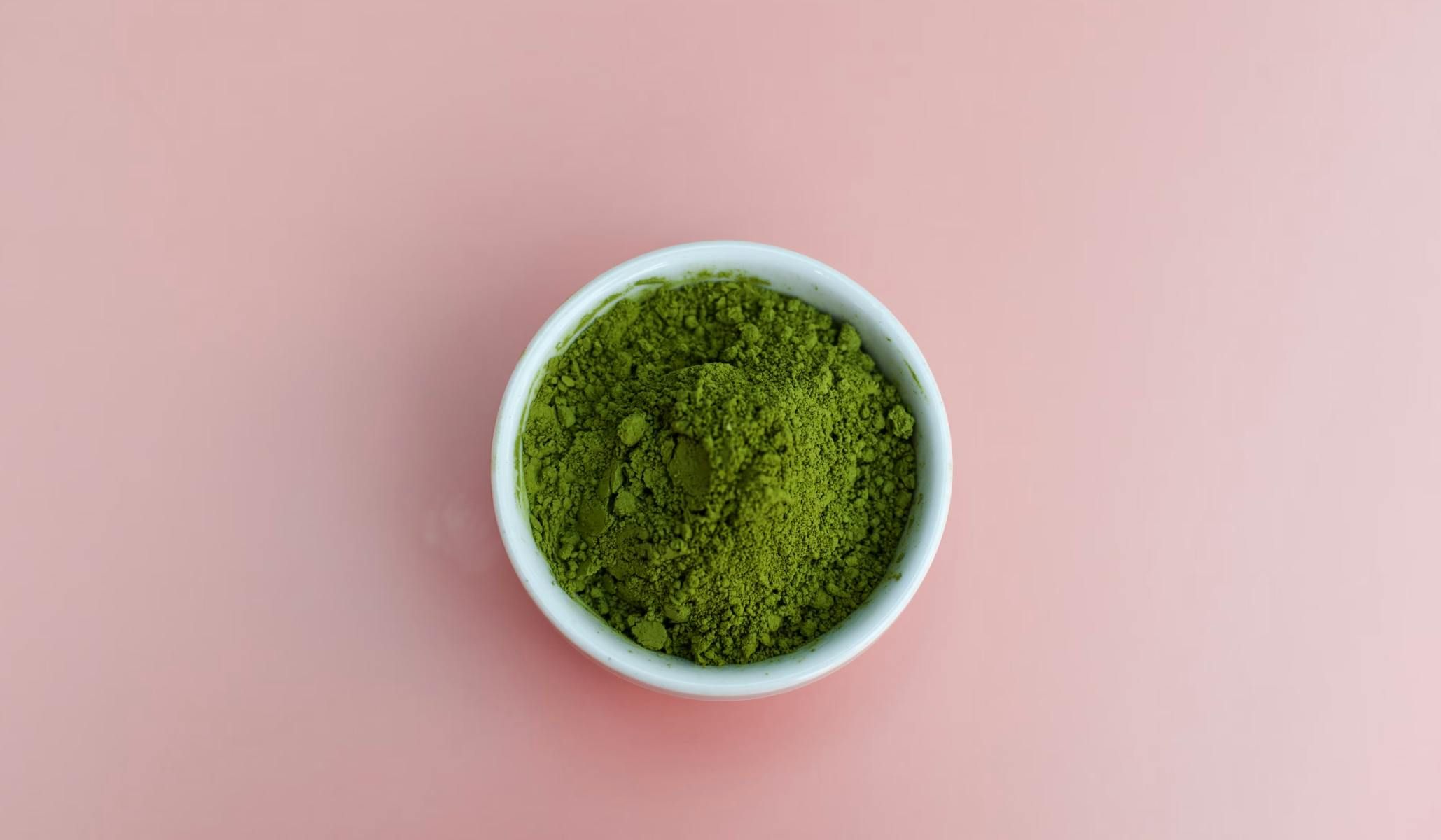
Bowl of green matcha powder on a pink backgroundNutrition & Lifestyle

Matcha and oral health: how green tea helps your teeth

Want a drink that tastes good and is kind to your teeth? Matcha could be it. Your oral health depends a lot on what you eat and drink every day, and healthy drinks support good oral hygiene too. In this article we look at matcha green tea, how it may help your teeth and gums, and how to enjoy it every day.

Laughing man with beard and curly hair, hand on his chin, against a light backgroundDental Health

Healthy gums: 7 answers on keeping gum disease away

Healthy gums are the foundation of a strong, confident smile. Look after them and you lower your risk of gum disease, cavities and other oral health problems. In this guide we answer seven common questions on healthy gums: what they look like, how to improve them, what to eat, and when to see a professional.