What is activated charcoal?
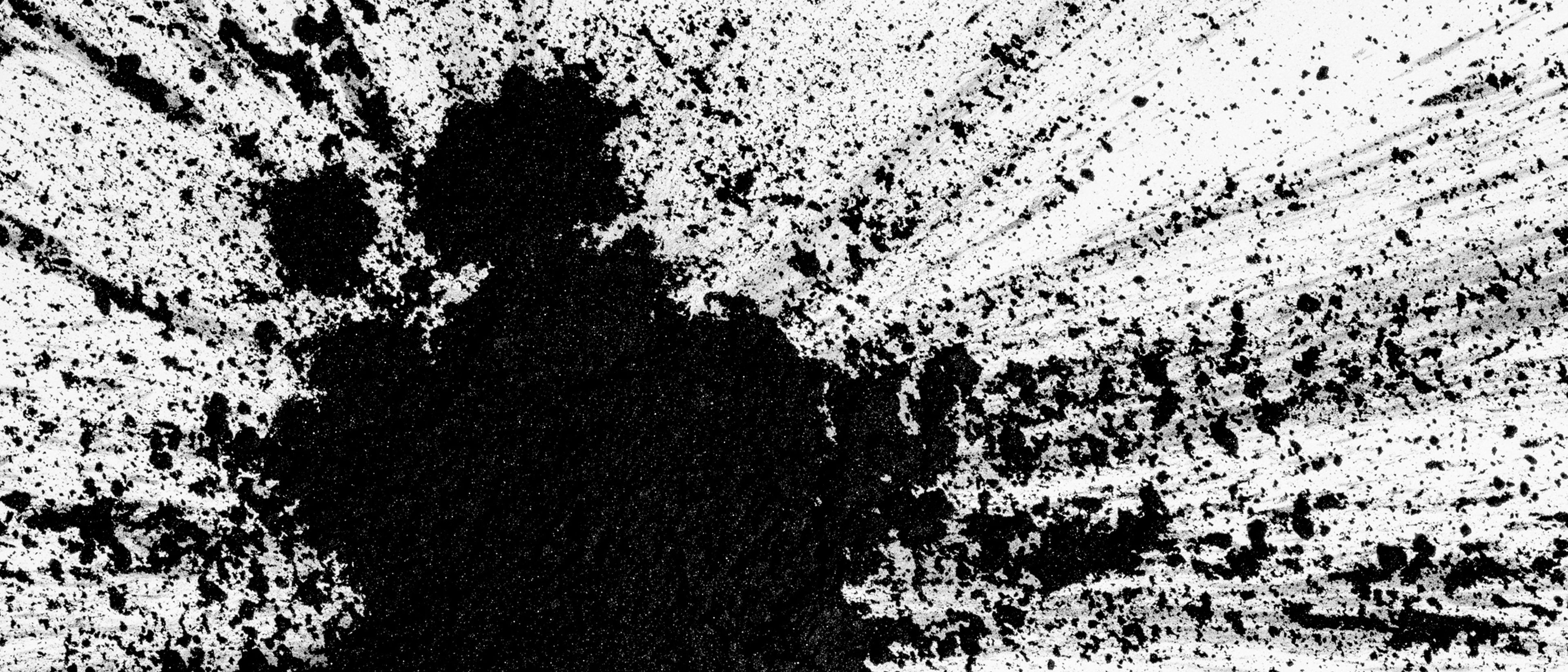
Activated charcoal is usually sold as a powder, in tablets or in capsules. It consists mainly of carbon, typically over 90%, and has a very porous structure. Like a sponge, its pores are interconnected.
To picture how large its inner surface is, consider this: two grams of activated charcoal have an inner surface comparable to the size of a football field.
What is the history of activated charcoal?
Activated charcoal, also known as medicinal charcoal (Carbo medicinalis), is one of the oldest known remedies used in medicine. Its effect was already known in ancient Greece and Egypt. Even today it is used in many ways, including in medicine and dental care.
What is activated charcoal made of?
Activated charcoal consists mainly of carbon and is combustible. Its pores are open and interconnected, like those of a sponge.
Pore sizes fall into four orders of magnitude: submicropores (< 0.4 nm), micropores (0.1 to 2 nm), mesopores (also called transition pores, 2 to 50 nm) and macropores (> 50 nm).
The macropores and mesopores are the access routes for liquids and gases into the interior of the charcoal. They mainly take part in diffusion and transport into the deeper areas of the grain. The effective surface area, and with it the adsorption properties, depends on the size of this area.
Where does activated charcoal come from?
Activated charcoal can be made from many raw materials: mineral, animal, plant-based and petrochemical. Typical sources include nutshells, coconut shells, wood, lignite and hard coal, peat and plastics.
Charcoal made from plant-based materials is also called vegetable charcoal. Animal charcoal is of animal origin and can be made from animal blood or bones, for example. Production usually involves a process with dehydrating agents.
These agents can be phosphoric acid or zinc chloride, for example. Temperatures of 500 to 900 °C are needed to produce medicinal charcoal. Alternatively, activated charcoal is obtained by dry distillation.
Both methods produce what is known as raw activated charcoal, which is then treated further by oxidation at 700 to 1,000 °C, using air, carbon dioxide or steam. To tailor the properties to a particular use, other chemicals can be added. Filter charcoal, such as that in gas mask filters, may also contain metal salts.
What is activated charcoal used for?
In medicine, activated charcoal is best known as a detoxifying agent. In cases of poisoning, medicinal charcoal can help to bind the toxins that have been absorbed and remove them from the body. It is also used for gastrointestinal complaints. Always ask a doctor or healthcare professional for advice on these matters.
Can activated charcoal support the digestive tract?
Thanks to activated charcoal, harmful substances that have built up in the digestive tract are carried out of the body more quickly.
Because it binds substances so well (a property called adsorption), activated charcoal is mainly used medically for diarrhoea and poisoning. It binds organic and inorganic substances, bacterial toxins and poisons and carries them out through the stool, helping to stop unwanted substances entering the bloodstream.
Taking a laxative afterwards can speed up the removal of the bound toxins and prevent constipation. Again, ask a doctor if you have any questions.
Other uses
Beyond medicine, activated charcoal filters substances out of water and wastewater. Other uses include cabin air filters in cars, water filters and sorption pumps.
It also works as an adsorbent: it can remove unwanted colour, odour and taste substances from liquids, gases and vapours. The same principle is why it is used against stains on teeth.
Activated charcoal in cosmetics
Charcoal powder is increasingly used in cosmetics and is already an ingredient in many products. The black substance is added to face masks and peelings, for example.
In skincare, it is meant to give an even, clearer complexion. It is also added to shampoos and to toothpaste, where it is used for a brighter smile. In shampoo, it is said to keep the scalp from getting greasy again too quickly.
Charcoal powder is also used to detox the body, for example stirred into a smoothie, and to whiten teeth.
Does activated charcoal whiten teeth?
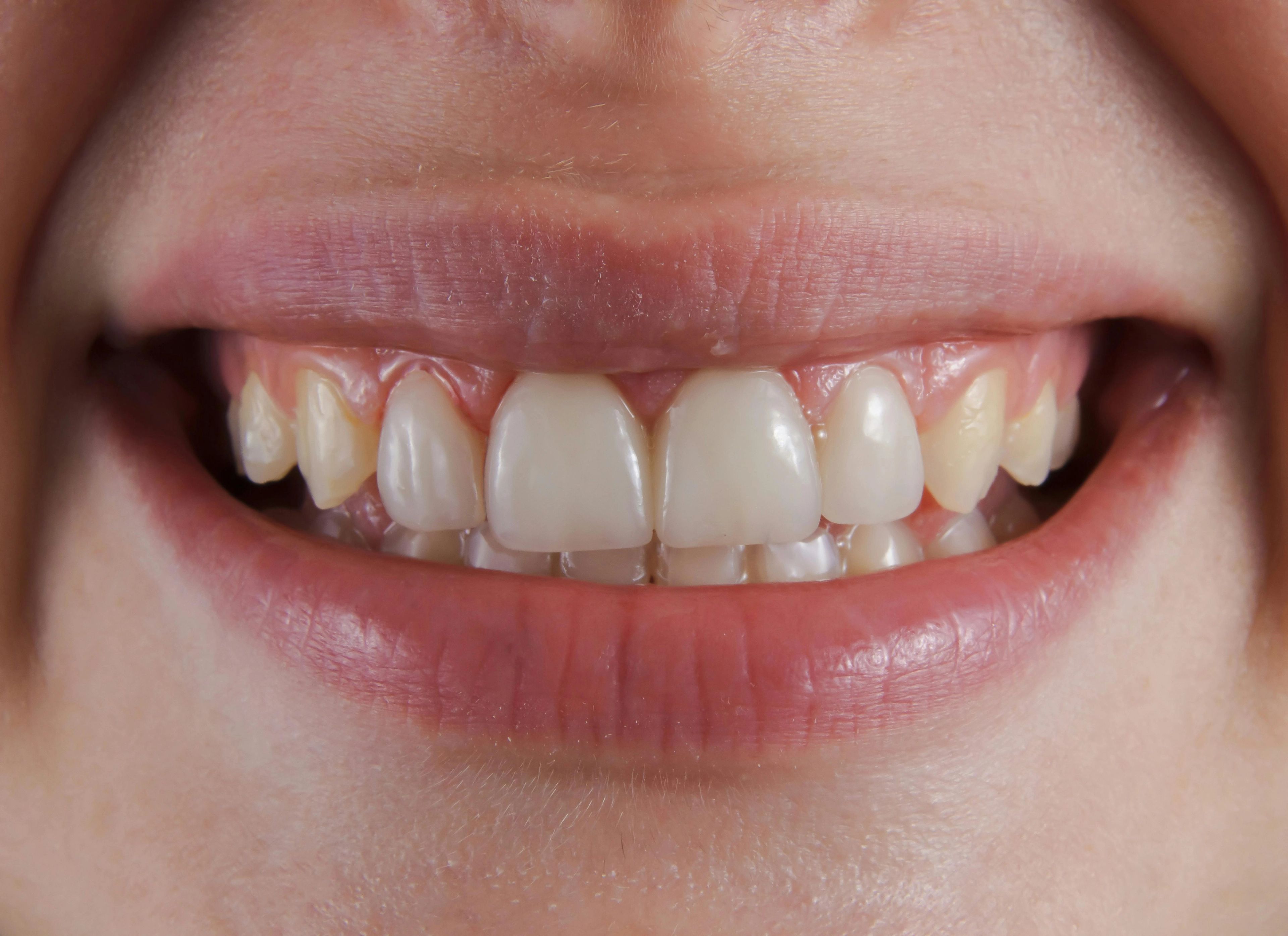
Bright white teeth stand for beauty, vitality and purity, and a white smile looks warm and appealing. Activated charcoal can help here because it binds substances very well, and that includes surface stains on teeth. The idea is that unwanted discolouration, such as residue from tea or coffee, is lifted away and the teeth look naturally brighter.
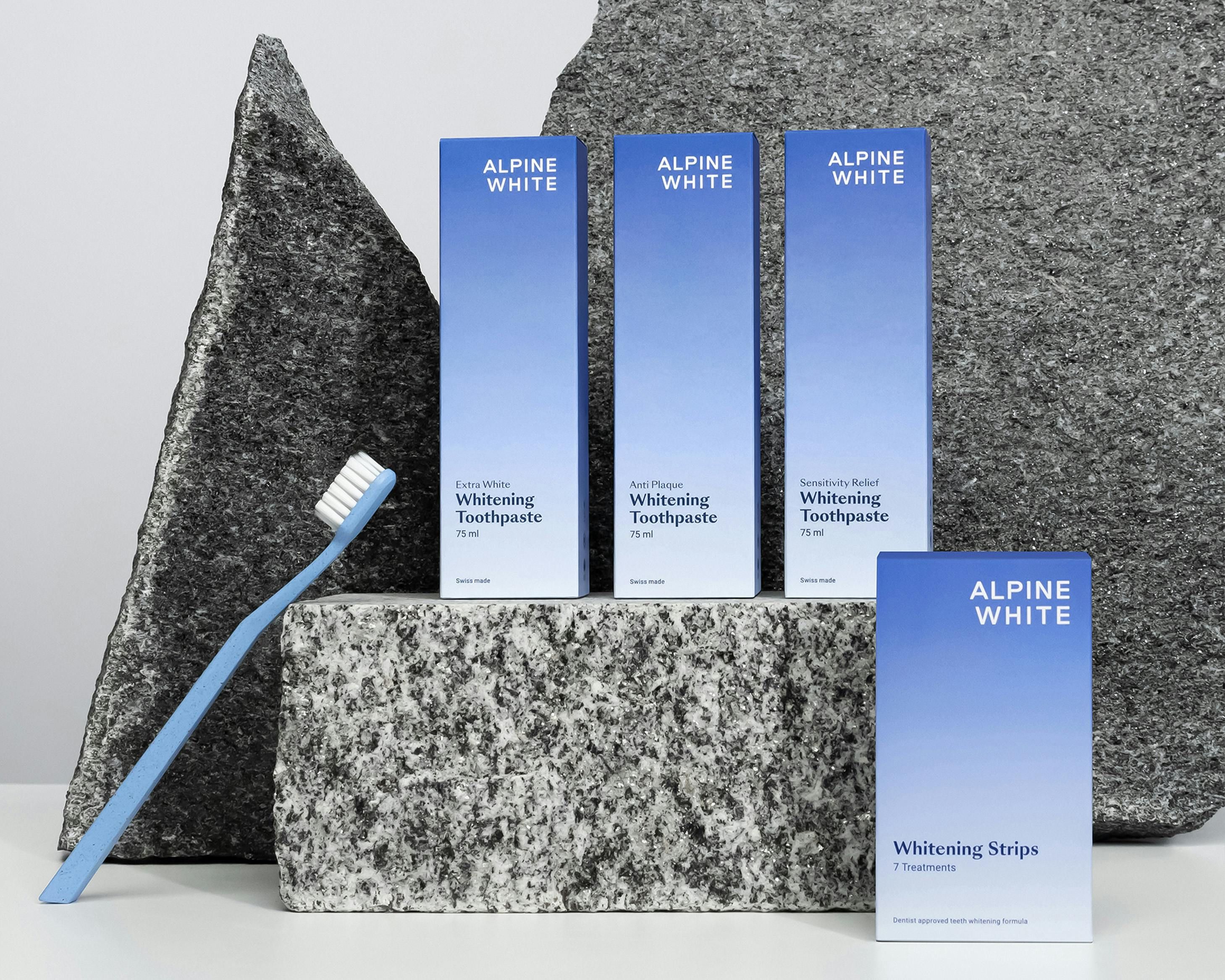
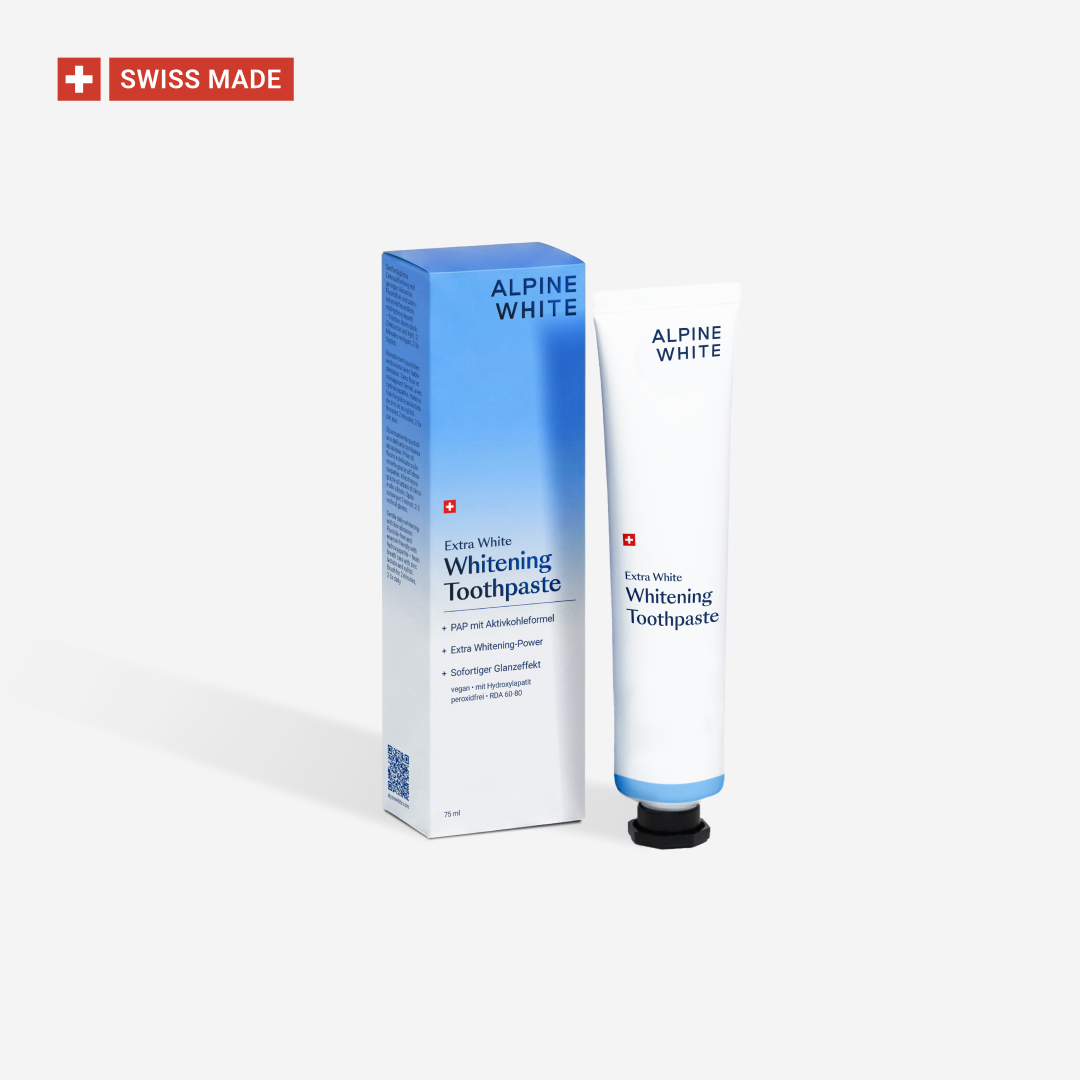
Want to whiten your teeth and brighten your smile? Take a look at our products, which are designed to make your teeth shine.

 Teeth Whitening