Why is professional teeth cleaning important?
- Removes stains: Coffee, tea, red wine and tobacco are just some of the things that can stain your teeth. A professional clean can effectively remove these surface stains and bring back your natural tooth colour.
- Helps prevent cavities and gum disease: Removing plaque and tartar significantly lowers your risk of cavities and gum inflammation.
- Protects your enamel: Unlike some aggressive whitening methods, professional teeth cleaning is gentle on tooth enamel.
- Keeps gums healthy: Regular professional cleans help prevent gum inflammation and support your overall oral hygiene.
What happens during a scale and polish?
- Examination: Your dental hygienist first checks your teeth and gums.
- Removing tartar and plaque: Specialised instruments remove tartar and hard plaque.
- Cleaning between the teeth: Dental floss and other tools clean the spaces between your teeth.
- Polishing: Your teeth are polished to remove surface stains and leave them smooth and shiny.
- Fluoride treatment: A fluoride treatment is often added to strengthen the enamel and help prevent cavities.
How often should you have your teeth professionally cleaned?
The right frequency depends on your individual needs. Many dental experts recommend a professional clean every six months for the best results. Your dentist or dental hygienist can advise what suits you.
How can you whiten teeth at home? Extra tips
Here are more tips for whiter teeth. From toothpaste to home remedies, there are several ways to get a brighter smile.
Brush your teeth regularly
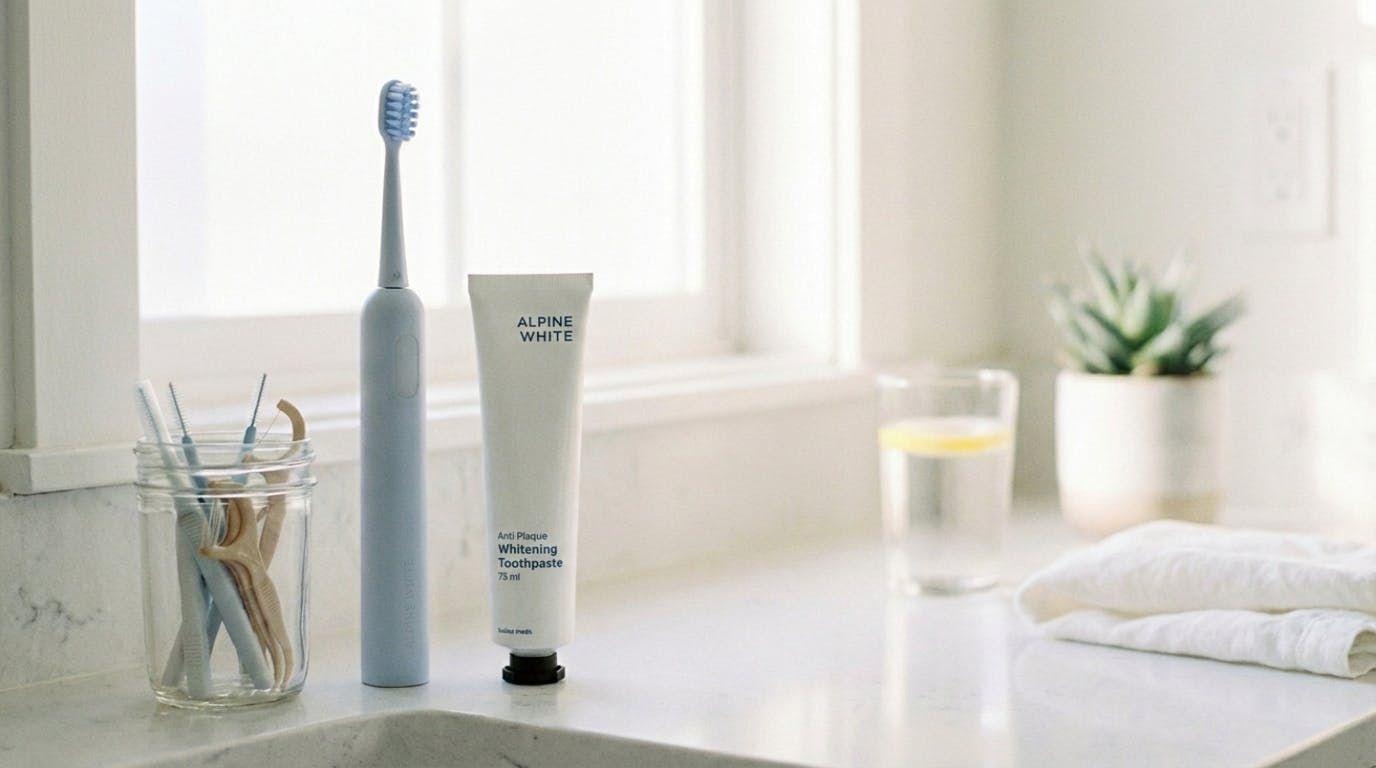
Regular brushing is the foundation of healthy, white teeth. Brush at least twice a day, ideally in the morning after breakfast and in the evening before bed. A fluoride whitening toothpaste is particularly useful, as fluoride helps strengthen enamel and prevent cavities. Make sure you clean all tooth surfaces thoroughly, including the chewing surfaces, the front and back, and along the gum line. Gentle circular movements are more effective and kinder than aggressive scrubbing, which can damage the enamel.
Floss every day
Daily flossing is an essential part of dental care. Floss reaches the areas between your teeth that a toothbrush cannot. Plaque and food debris in these spaces can lead to gum inflammation, cavities and bad breath. To floss properly, wrap a piece around your fingers and gently guide it between two teeth. Move it softly up and down to clean the sides of each tooth without hurting your gums.
Mouthwash
A mouthwash can be a useful addition to your daily oral hygiene routine. It keeps your breath fresh, can help reduce plaque and reaches spots in your mouth that are hard to clean. Some mouthwashes contain antibacterial or fluoride ingredients, which offer extra protection against cavities and gum disease. Use it as directed on the packaging, usually after brushing.
Limit foods and drinks that stain your teeth
Certain foods and drinks can stain your teeth, especially coffee, tea and red wine. They contain strong pigments that settle on the tooth surface. To avoid stains, limit how much of these you drink. If you do enjoy them, rinse your mouth with water afterwards or chew sugar-free gum to reduce the build-up of pigments.
Give up smoking
Smoking is one of the main causes of stained teeth. Tobacco contains tar and nicotine, which can cause heavy staining. Smoking also raises your risk of gum disease, bad breath and other serious health problems. Quitting is one of the best things you can do for your oral health and general well-being.
Home remedies for yellow teeth
Besides professional care and specialised products, a few home remedies may help brighten your teeth. One of the best known is oil pulling with coconut oil, which may help reduce plaque and lighten teeth. Simply swish a tablespoon of coconut oil around your mouth for 10 to 15 minutes, then spit it out. Baking soda is another popular remedy, but we do not recommend it, as it can damage your enamel. For lasting results and healthy teeth, it is best to rely on tested products and to keep up regular visits to your dentist or dental hygienist.
Veneers for a flawless smile
Veneers are a popular cosmetic dental option. They are thin, custom-made shells of ceramic or composite that are bonded to the front of the teeth. Veneers can address stained, worn, uneven or slightly crooked teeth, and can improve both the colour and shape of your teeth for a harmonious, bright smile. Placing veneers is a minimally invasive process that usually needs little to no enamel removal, and they are known for their durability and colour stability. It is important to have veneers fitted by a specialist to get a natural, attractive result.



 Teeth Whitening