Why dental prevention is more than brushing well
Many people think a good oral care routine simply means brushing twice a day. In reality, good dental prevention starts with your toothbrush, but it does not end there.
Dental prevention means:
- avoiding or removing plaque and tartar as early as possible
- preventing gum disease such as gingivitis
- protecting and strengthening tooth enamel
- reducing stains without harming your teeth
- spotting problems early, before they become costly and painful
Your mouth is part of your whole body: inflammation there can affect your general well-being. Equally, many people notice the effects of stress, diet or smoking on their teeth and gums first. Dental prevention therefore comes down to small, consistent steps every day that add up to a big difference.
What belongs in a modern oral care routine?
A modern routine combines proven basics with smart technology. What matters is not perfection, but habits that fit your life and that you can keep up for the long term.
How should you brush your teeth?
Brushing is, and remains, the foundation. But how you brush matters more than how often you brush.
- Frequency: usually morning and evening.
- Duration: about 2 minutes each time.
- Technique: gentle, systematic movements. Do not scrub with pressure.
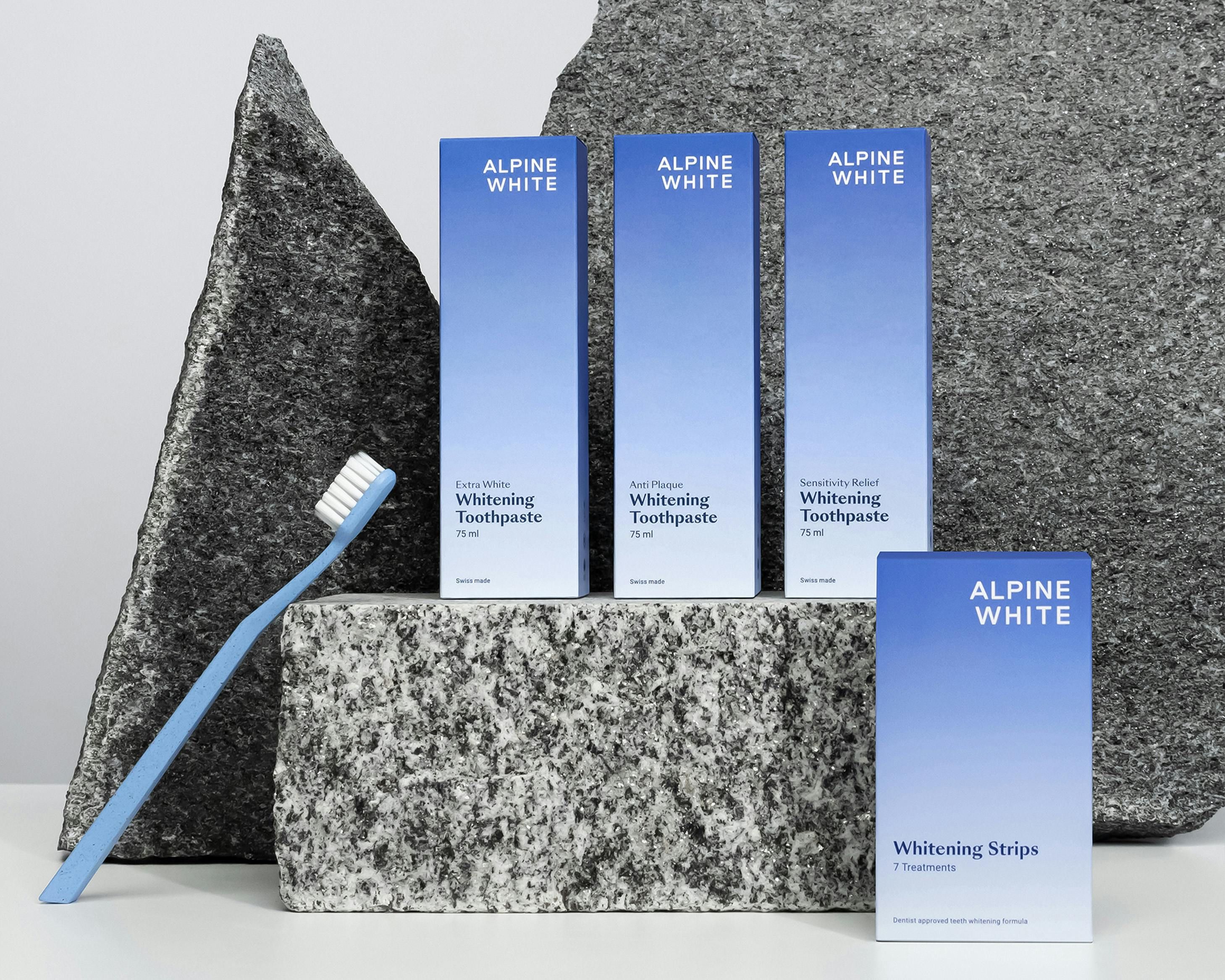
A good whitening toothpaste can do more than clean. Alpine White Whitening Toothpaste Extra White contains fluoride to support your enamel while gently reducing stains. Choose the toothpaste that suits your needs and the care effect you want.
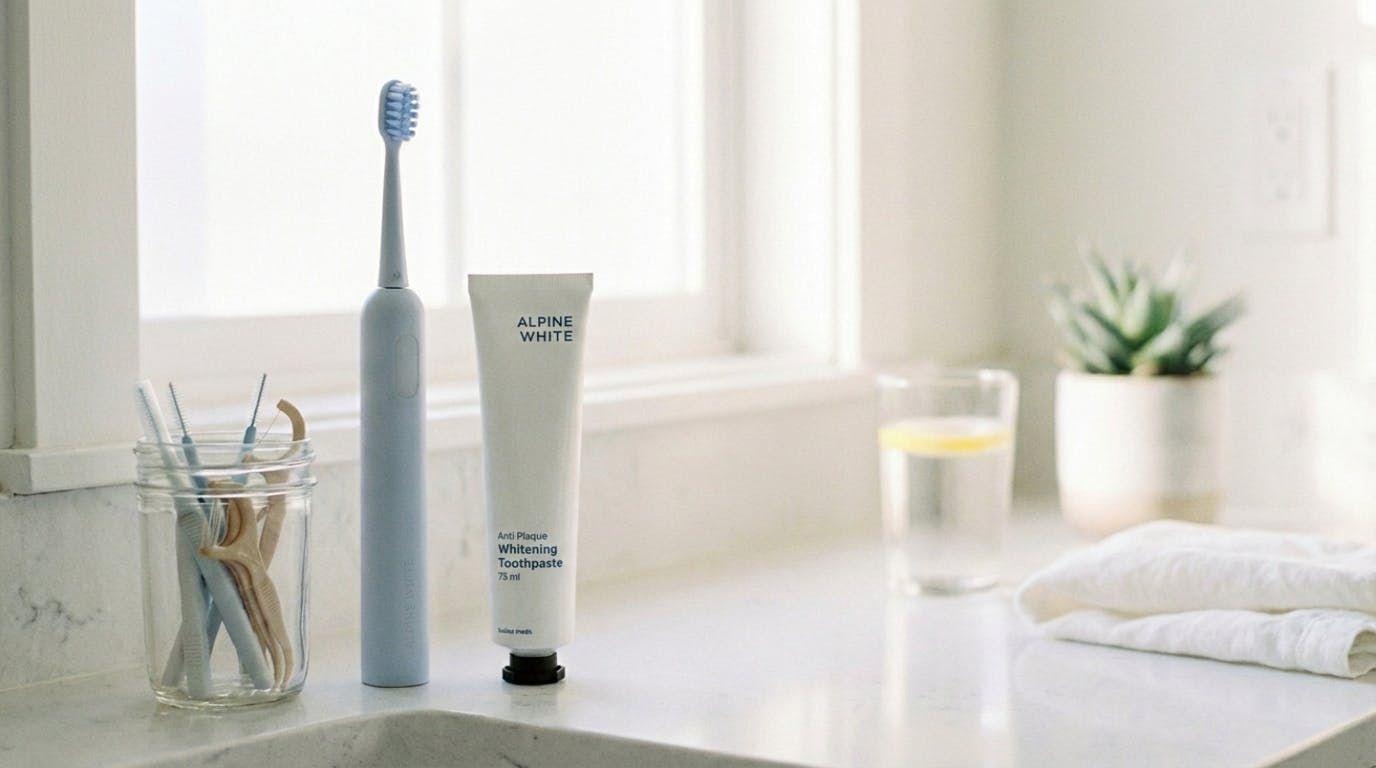
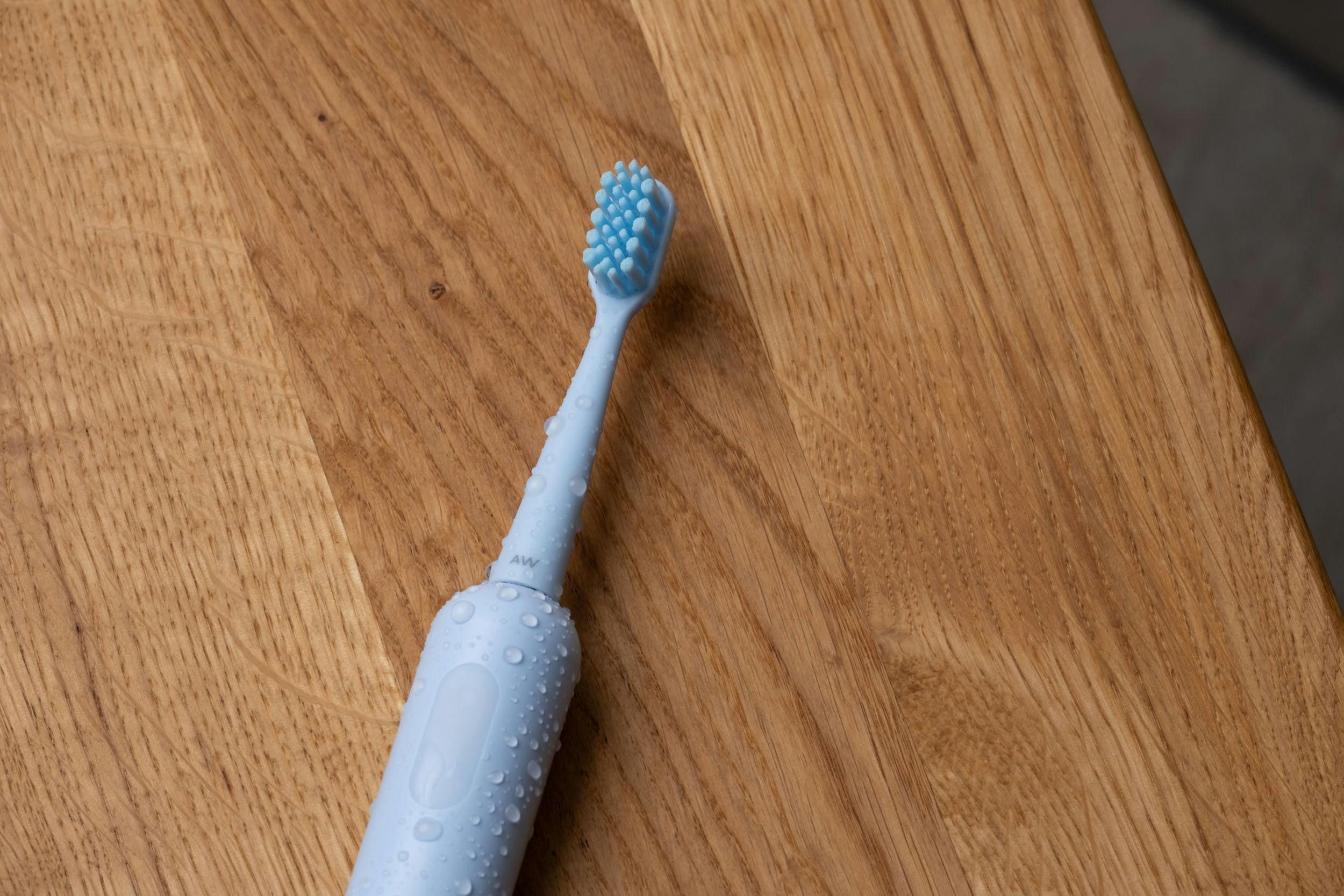
A modern sonic toothbrush, like the one in the Alpine White range, supports you by:
- making very fast, small movements that remove plaque efficiently
- letting the bristles do the work, so you do not need to press hard
- using timers and programmes to remind you of the right duration and zones
More important than the exact model is choosing a brush that feels comfortable and using it regularly. Replace brush heads as soon as they look worn.
When it comes to toothpaste:
- Use a good-quality toothpaste that contains fluoride, unless your dentist advises otherwise.
- Look for a formula that protects enamel and does not rely on overly aggressive abrasives.
- If you also want to reduce stains, formulas with modern whitening technology, such as PAP, can be an option.
How do you look after interdental spaces and gums?
Prevention does not stop at the visible tooth surface. The spaces between your teeth and the gumline are especially important.
- Use floss or interdental brushes to remove food particles and plaque between your teeth.
- Be gentle. The aim is not to scrub hard, but to loosen deposits carefully.
- Care for the gum margin too: light massaging with the brush stimulates circulation and supports healthy gums.
The goal is not to diagnose yourself; that is the job of dental professionals, so see your dentist if your gums bleed regularly or you have pain. But if you clean between your teeth regularly, you significantly reduce your risk of inflammation and support your oral health.
What is PAP whitening technology?
Many people want whiter teeth but do not want to put their enamel at risk. This is where PAP technology (phthalimidoperoxycaproic acid) comes in. It is used in several Alpine White products.
In simple terms:
- PAP is a modern whitening agent without classic hydrogen peroxide.
- It works on the colour pigments that cling to the tooth surface and helps to dissolve them.
- The formula is designed not to attack enamel and to work as gently as possible.
PAP is used in the Alpine White Whitening Toothpaste Extra White, among other products. It suits regular, gentle whitening support in daily life, always as a supplement to your basic routine and never as a replacement.
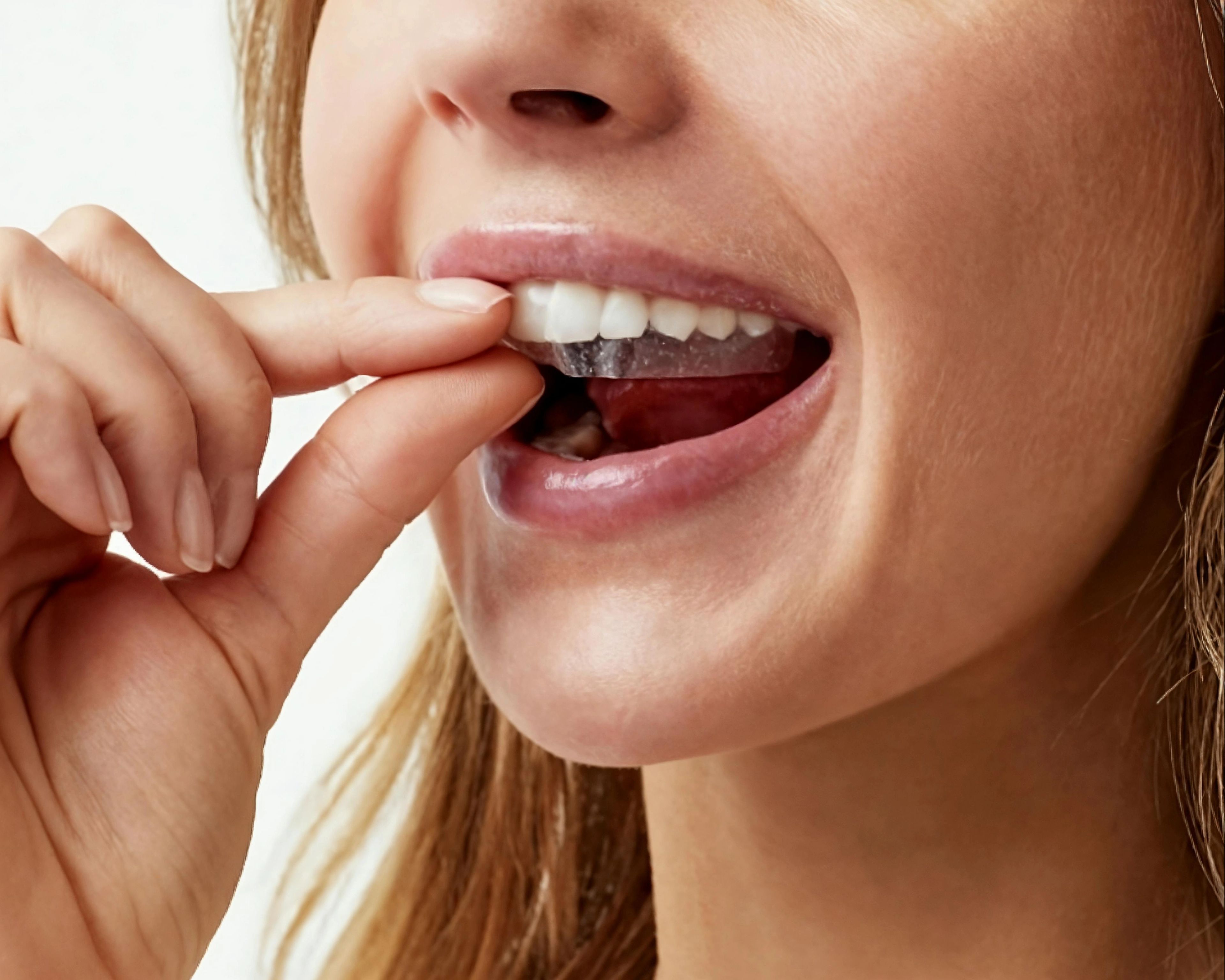
Products such as the Whitening Toothpaste or whitening strips with PAP can help you:
- reduce everyday stains from coffee, tea or red wine
- support a naturally bright smile as part of your overall oral care routine
Important: PAP products are not a substitute for thorough oral care or a dental hygienist, but a supplement. They work best when the basics are in place: regular brushing, cleaning between your teeth and professional teeth cleaning (a scale and polish) at your dentist or dental hygienist.
Everyday prevention: routines that are actually realistic
For prevention to work, it has to fit your day. It is not about spending hours in the bathroom, but about sticking to realistic routines consistently.
Morning: start the day with a fresh feeling
Mornings are often rushed, but a few minutes can achieve a lot:
- Brush your teeth with a modern toothbrush (for example the Alpine White Sonic Toothbrush) and a suitable toothpaste.
- Quick check: do your gums feel sensitive anywhere? Do you see new stains? If so, ask about it at your next dental hygienist appointment.
- Optional: clean your tongue to remove deposits and freshen your breath.
Even this short routine removes overnight plaque and sends you into the day feeling fresh.
On the go: small habits, big impact
You can support your oral health when you are out and about too, without much effort.
- Drink water: a few sips after coffee, tea or snacks help rinse colourants and sugar out of your mouth.
- Sugar-free chewing gum: it stimulates saliva flow and can help neutralise acids more quickly.
- Choose snacks consciously: frequent snacking, especially on sugary foods, can put stress on your enamel. It is better to keep to set meals and low-sugar snacks.
- Travel mini set: a compact toothbrush or sonic toothbrush with a travel case and a small tube of toothpaste fits in most bags and suitcases.
It is not about perfect oral care on the move, but about building in a few simple habits that noticeably ease the load on your teeth.
Evening: thorough, not complicated
You usually have a little more time in the evening, so it is the ideal moment to focus on your oral care:
- Thorough brushing (about 2 minutes) with a brush and toothpaste that suit your needs.
- Interdental cleaning with floss or interdental brushes.
- Optional: a targeted whitening routine, for example with PAP-based whitening strips or a specially formulated whitening toothpaste.
If you want to add a whitening step in the evening, you could use the Whitening Toothpaste Extra White. It slots in as an extra step and gently helps reduce stains before bedtime.
Your daily roadmap to healthy, white teeth
Dental prevention does not have to be complicated or time-consuming. What matters is that you take small steps consistently. A possible roadmap could look like this:
Morning:
- 2 minutes of brushing with a good toothpaste and a modern brush (for example a sonic toothbrush).
- A quick check of your gums and teeth.
On the go:
- Drink water after meals.
- Use sugar-free chewing gum when brushing is not possible.
- Choose snacks and drinks consciously.
Evening:
- Thorough brushing and cleaning between your teeth.
- If you like, add a gentle whitening routine with PAP products.
This way you combine practical routines at home with professional support from your dentist or dental hygienist, for modern oral care that helps you avoid future costs and painful treatment. No pressure, just a clear goal: healthy, white teeth, day after day.

 Oral Care