Back to overview
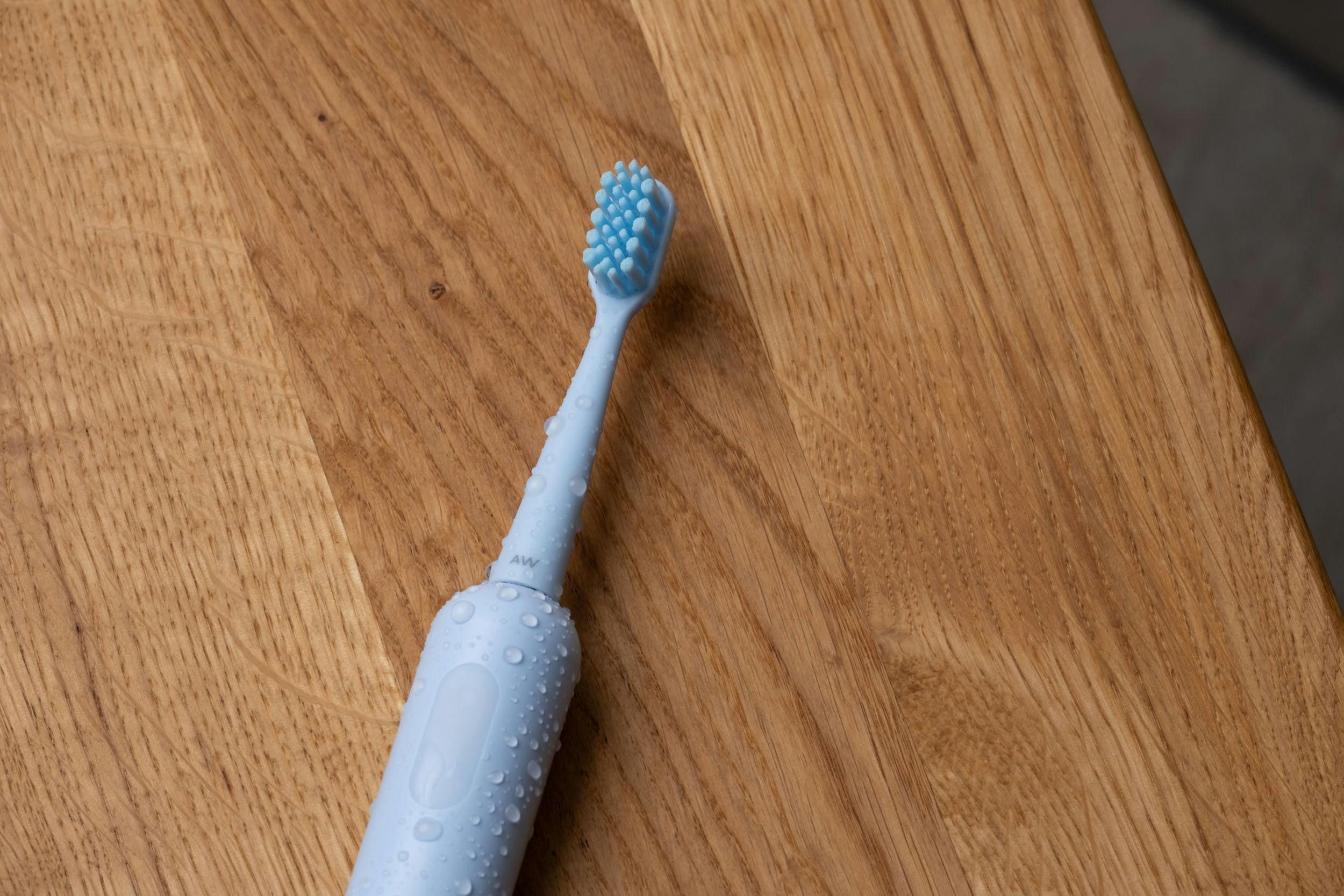
Light blue electric toothbrush with water droplets on a wooden table

Electric vs manual toothbrush: which is better for you?

Oral CareNov 26, 20245 min read

Choosing between an electric toothbrush and a manual toothbrush depends on your own needs. Both have advantages, and a few key differences can help you decide. Here is a detailed comparison to help you find the best option for your teeth.


Andrea Seraina

Andrea Seraina

Dental Content Specialist

Manual toothbrush: the classic approach

The classic manual toothbrush has been part of daily oral hygiene for decades. It is simple to use and ideal if you like to stay in control of your own brushing technique.

Advantages

  • Affordable: manual toothbrushes are inexpensive and available almost everywhere.
  • Sustainability: a manual brush with fewer plastic parts and no battery produces less waste.
  • Flexibility: you decide the brushing motion and the bristle firmness (soft bristles are the best choice for most people).
  • Gentle when used correctly: with soft bristles and light pressure, it protects the tooth surface and your gums.

Challenges

  • It needs a good brushing technique to clean effectively.
  • It is harder to reach the spaces between your teeth.
  • It is not always as thorough as an electric toothbrush, especially on stubborn plaque.

Electric toothbrush: technology that does the work

An electric toothbrush such as our Sonic Toothbrush makes it easier to clean your teeth effectively. For anyone whose brushing technique is not perfect, it is often the better choice.

Advantages

  • Effective cleaning: the Alpine White Sonic Toothbrush reaches up to 80,000 vibrations per minute and removes up to 86% more plaque.
  • Simplicity: automated brushing motions mean less manual work for you.
  • Fewer gum problems: our sonic technology reduces gum inflammation by up to 92%.
  • Time management: the automatic switch-off after the recommended brushing time helps you brush for the right duration.
  • Kind to enamel: soft bristles and rounded tips are particularly gentle on sensitive tooth necks.

Challenges

  • Cost: electric toothbrushes cost more to buy, but the Sonic Toothbrush offers excellent value for money.
  • Charging: you need to recharge the battery regularly.

Why is an electric toothbrush often the better choice?

Electric toothbrushes, especially sonic toothbrushes and oscillating toothbrushes, clean more thoroughly than a manual toothbrush. Their fast movements clean the tooth surface efficiently and remove stubborn plaque that is hard to shift with a manual brush. Sonic technology also helps to reach the chewing surfaces and hard-to-reach spaces between teeth, which lowers the risk of cavities. According to dentists, the result comes close to a professional teeth cleaning at the dental hygienist. If you want particularly gentle care, an electric toothbrush is often not only more effective but also kinder to enamel than natural bristles.

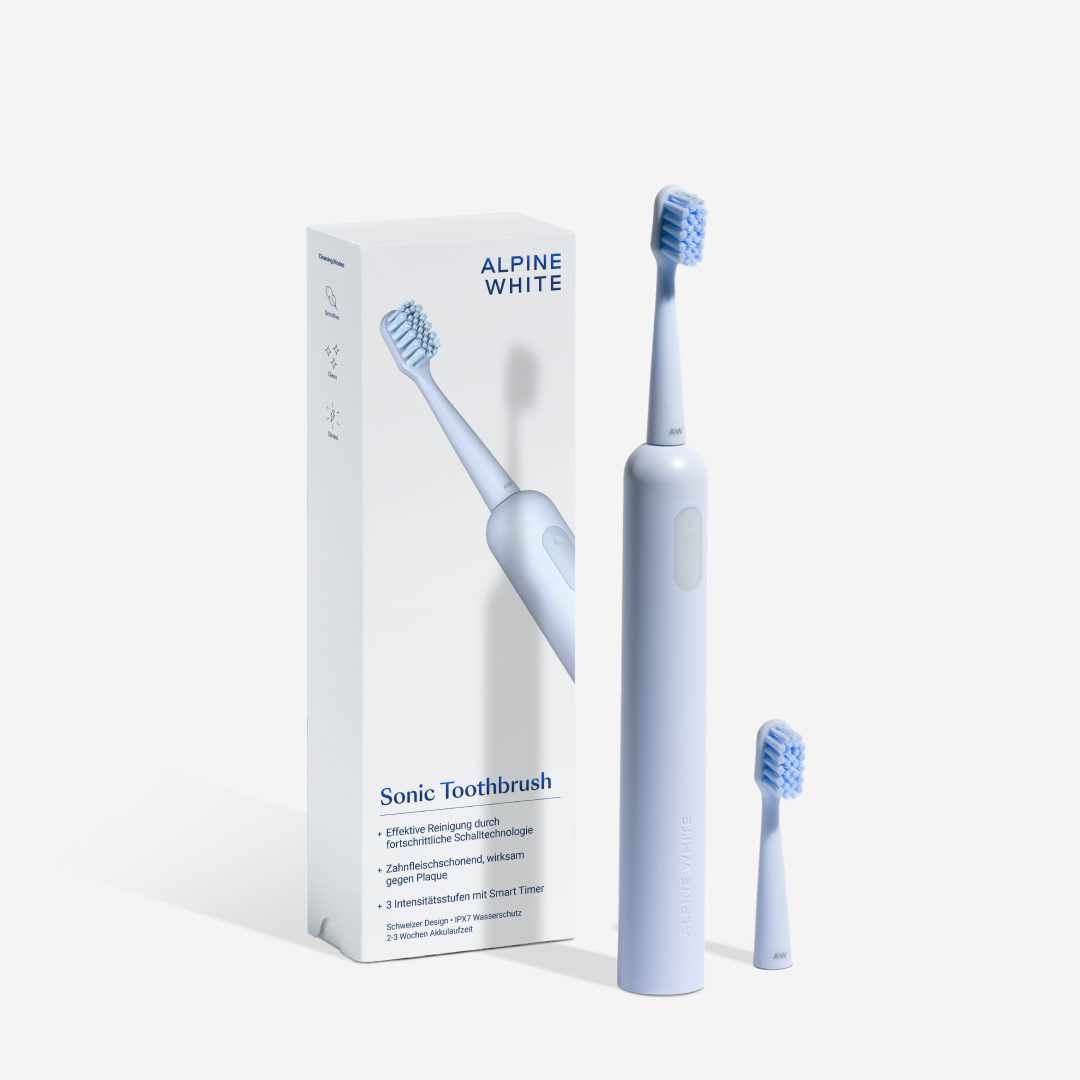
Sonic Toothbrush next to its packaging and a replacement brush head against a light background
5.0(3)

Sonic Toothbrush

€ 99.90

1 pc • € 99.90

Learn more

Electric vs manual toothbrush: cost and sustainability

The manual toothbrush is the cheaper option. It costs little to buy and is easy to replace.

An electric toothbrush has a higher purchase price but offers excellent value in the long run. The brush heads need replacing regularly, just like a manual toothbrush, which adds some cost. In return, it lasts for years and cleans more thoroughly.

Which toothbrush cleans better?

A manual toothbrush can clean thoroughly if used correctly. What matters is mastering the right technique. Brush in small circular movements and make sure you also clean hard-to-reach areas such as the spaces between your teeth. The bristle firmness plays an important role too: we recommend soft bristles to protect your enamel and gums.

An electric toothbrush makes cleaning much easier, especially if you struggle with technique. Our Sonic Toothbrush reaches up to 80,000 vibrations per minute and gets to hard-to-reach spots with ease. It removes up to 86% more plaque than a manual toothbrush and reduces gum inflammation by up to 92%. For sensitive tooth necks or exposed dentine, it is a gentle and effective choice.

Which is easier to use?

A manual toothbrush demands more control and attention. You are responsible for the brushing motion and the duration. If your technique is not right, or you do not brush for long enough, the result suffers.

An electric toothbrush makes brushing simpler. The automatic oscillating or sonic movements do most of the work for you. The Sonic Toothbrush even signals when the recommended brushing time is up and switches itself off, which saves time and gives a good result.

Which toothbrush is gentler on gums and enamel?

With a manual toothbrush, a lot depends on your technique. Pressing too hard or using firm bristles can hurt your gums and damage your enamel. Soft bristles reduce this risk.

An electric toothbrush is particularly gentle. Our Sonic Toothbrush has rounded bristles that minimise the risk of injury, and it cleans evenly, which is especially helpful if you have sensitive gums.

How do you clean between your teeth?

A manual toothbrush only reaches hard-to-access areas to a limited extent, so you should always add dental floss or interdental brushes to clean between your teeth thoroughly.

An electric toothbrush has a clear advantage here. The vibrations of the Sonic Toothbrush create a hydrodynamic effect that cleans even hard-to-reach spots, so you get a more thorough clean without extra effort.

How long should you brush for?

With a manual toothbrush, it is easy to brush for too short or too long. The recommended brushing time is two minutes, or 30 seconds per quadrant.

The Sonic Toothbrush takes the guesswork out of it. It gives you a signal when you have finished one quadrant and switches off automatically after three minutes, so you brush neither too briefly nor too long.

Our recommendation

If you value sustainability and control, a manual toothbrush with soft bristles is an excellent choice.

If you want a particularly thorough and comfortable clean, we recommend the Sonic Toothbrush. It brings your oral hygiene to the next level. It is the better choice if you have sensitive gums, exposed tooth necks or a tendency towards gum inflammation.

Final thoughts

Whether you choose a manual or an electric toothbrush, good oral hygiene takes more than the right brush. Add a fluoride toothpaste and regular dental floss to your routine, and see your dentist or dental hygienist for regular check-ups and professional teeth cleaning.

Alpine White supports your daily routine at home. Choose your toothbrush now and look after your teeth for the long term.
This might also interest you

Hand passes a light blue electric toothbrush, a second hand points at it, grey backgroundOral Care

Why you need an electric toothbrush

Technology shapes almost every part of daily life, so why settle for second best when it comes to brushing? An electric toothbrush is more than a gadget: it is a powerful tool for your oral health. Here is why switching from a manual to an electric toothbrush is one of the easiest choices you can make for cleaner, whiter teeth.

Two smiling women against a white background, one in green top, the other in beige jacketDental Hygiene

Professional teeth cleaning with a dental hygienist

A visit to the dental hygienist does two jobs. Cosmetically, a professional teeth cleaning removes stains and plaque for a cleaner, brighter smile. Medically, it protects your gums and teeth, so they stay healthy for much longer. Here is how a scale and polish works, what it prevents and how to support it at home.

Man lifts his upper lip with a finger and looks to the side, against a light grey backgroundDental Health

Why a healthy oral mucosa matters

The oral mucosa is the soft lining of your mouth. It covers the floor of the mouth, the gums, the hard and soft palate, and the top and underside of the tongue. It protects the tissue beneath, supports your oral hygiene and helps your mouth feel fresh and comfortable. But what does it mean when it changes, and how can you look after it? Here is a closer look at the oral mucosa, common problems, their causes and the right daily care.