The basics of daily oral hygiene
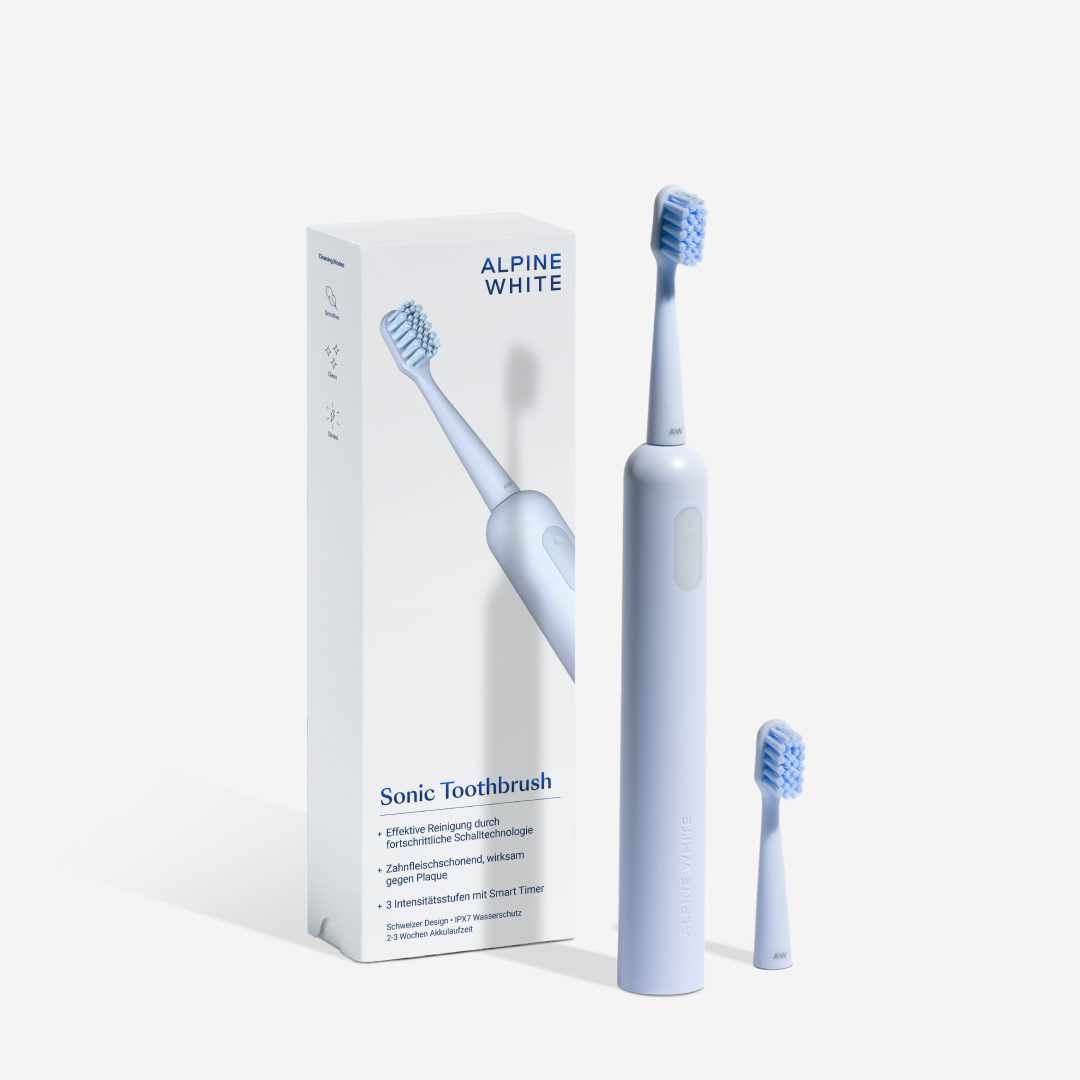
Regular tooth brushing and good oral care are the basis of healthy teeth and gums. Brush at least twice a day with a fluoride toothpaste, such as an Alpine White Whitening Toothpaste. Technique matters: use small circular movements, brush the chewing surfaces and do not forget the inner surfaces of your teeth. An electric toothbrush can help you clean tooth surfaces more effectively. Choose soft bristles so you do not damage your gums or enamel.
Alongside your toothbrush and toothpaste, mouthwash and water flossers can be useful additions to your routine. Mouthwash can help reduce plaque and freshen your breath, while a water flosser can help remove food debris from between your teeth. Choose a toothpaste that suits your individual needs to get the most from your routine.
Why is cleaning between your teeth so important?
Cleaning between your teeth is an essential part of thorough oral hygiene. Food debris and plaque collect easily in these hard-to-reach spaces and can cause gum inflammation and tooth decay. Both dental floss and interdental brushes are excellent tools for keeping these areas clean. Make one or the other part of your daily routine, whether you use an electric toothbrush or a manual toothbrush.
If you have dentures or implants, cleaning between your teeth matters even more. Food debris and plaque in these areas can lead to cavities and gum problems and can also shorten the life of your dentures or implants. Clean these areas particularly carefully to look after your dental health.
Does tongue cleaning help against bad breath?
Yes, it can. Tongue cleaning is an important part of oral hygiene, because the tongue is often overlooked and can harbour bacteria. A tongue cleaner or scraper is an effective tool for gently removing bacteria and deposits at home. Studies show that regular tongue cleaning can reduce bad breath and support overall oral health.
Nutrition and oral health: what you should know
Your diet plays a crucial role in your oral health. Sugary foods and drinks are the main cause of problems such as plaque and cavities, so keep them to a minimum. A balanced diet with plenty of fruit and vegetables provides important nutrients that support the oral flora and strengthen the tissue that holds your teeth in place. This helps you prevent serious dental problems and keep your mouth healthy in the long term.
Smoking and excessive alcohol consumption are strong risk factors for oral health problems. They can cause gum inflammation, cavities, bad breath and even mouth cancer. It is worth reconsidering these habits to protect your teeth and gums in the long term.
Professional teeth cleaning: your partner for optimal oral health
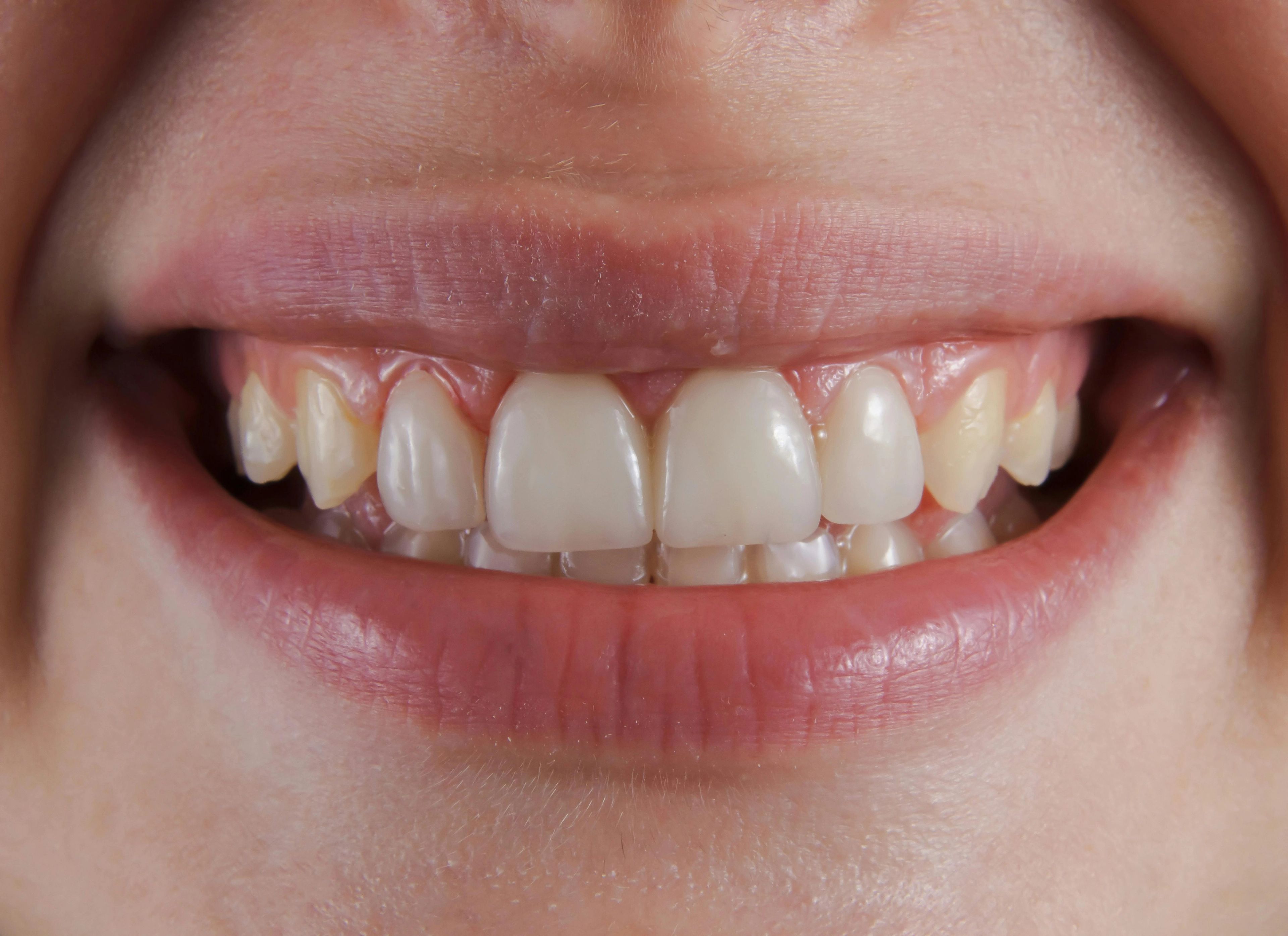
Regular appointments for professional teeth cleaning with a dentist or dental hygienist (often called a scale and polish) help detect and treat problems early. The hygienist removes tartar and stubborn deposits that a toothbrush cannot reach, and checks for signs of tooth and gum disease. They also give valuable advice on home care. Professional cleaning is particularly useful for hard-to-reach places, such as below the gum line, between the teeth and in the fine grooves of the chewing surfaces. Removing tartar gently helps prevent cavities, bleeding gums and gum disease such as gingivitis and periodontitis. How often you should go depends on you, but it is typically one to four times a year. Keeping these appointments can also spare you an unpleasant visit to a noisy dental practice later on.
What happens at a dental hygiene appointment?
A professional dental hygiene session removes microbial plaque and stubborn discolouration. Many practices use gentle AIRFLOW technology and ultrasonic scaling for a comfortable treatment. Your hygienist can also spot early signs of cavities and advise you on prevention. If a cavity is already advanced and has reached the inner dentin, your dentist will recommend the right treatment. Between appointments, a fluoride toothpaste and a good brushing routine at home keep your results in place.

 Dental Health