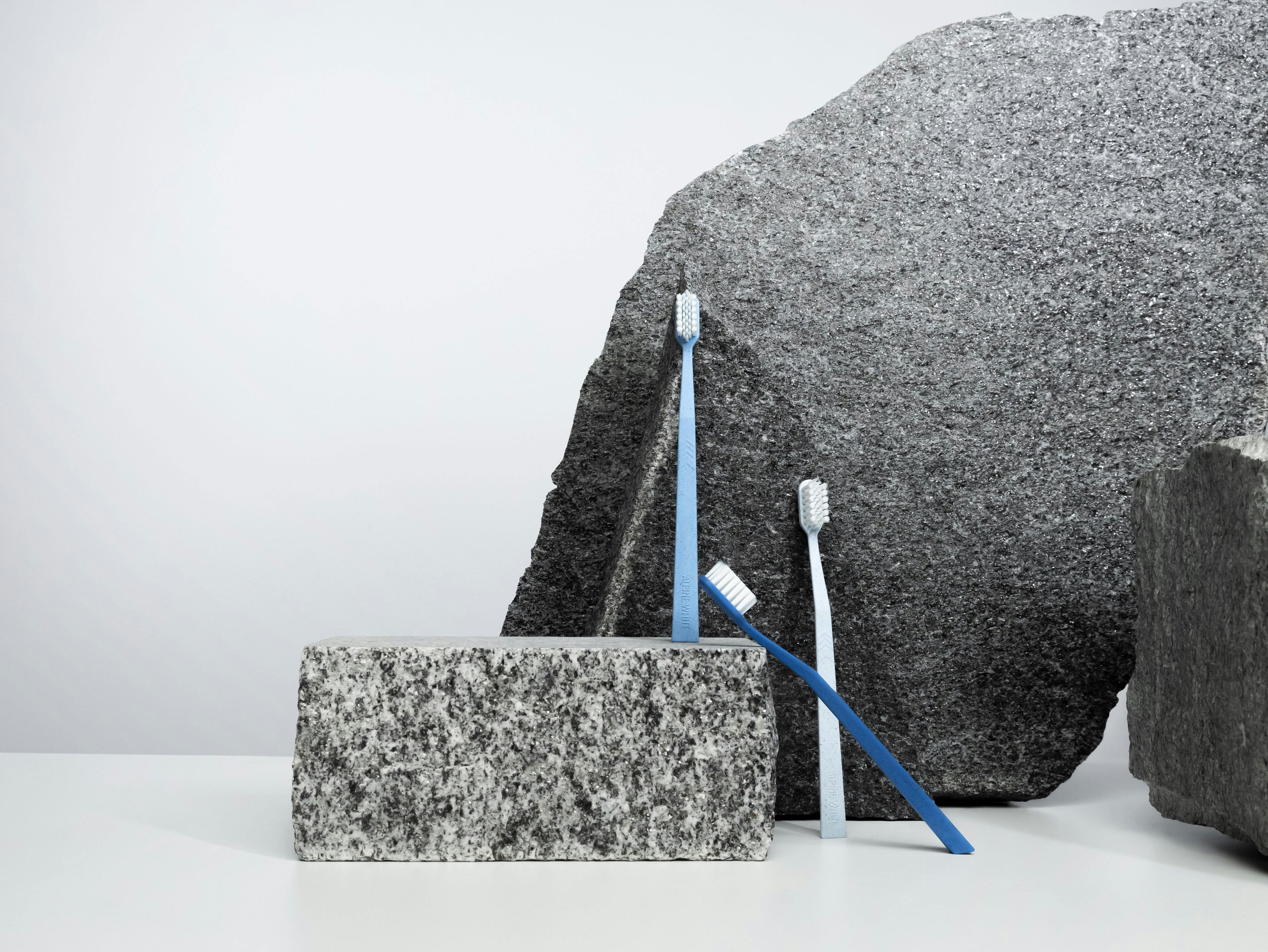
When is it time for a new toothbrush?
Dentists agree that you should change your toothbrush every three to four months. Why this time frame? It comes down to wear and tear on the bristles. Once they start to bend or look frayed, they clean less effectively. They can no longer reach between your teeth to remove plaque. If that sounds familiar, it is definitely time for a new brush.
You should also change your toothbrush after an illness such as a cold or a mouth infection, to avoid reinfecting yourself.
Manual vs. electric toothbrush: which is better?
People often ask whether a manual or an electric toothbrush is better. Both have pros and cons. Electric toothbrushes can clean more efficiently and are often easier to use, especially for people with limited mobility. Manual toothbrushes are cheaper and easier to find.
Whichever you choose, both types need replacing regularly. With an electric or sonic toothbrush, this usually means the brush head, which wears out just like the bristles of a manual brush.
How do you care for your toothbrush properly?
- Rinse thoroughly after use: rinse your toothbrush well under running water after every use.
- Use hot water: once a week, you can also rinse it under hot water to help remove germs and bacteria.
- Clean your toothbrush cup: don't forget to wash the cup or holder regularly too.
- Floss and mouthwash: these complement brushing and help clean between the teeth and freshen your breath.
What happens if you don't change your toothbrush?
Looking after your teeth is an important part of your overall health. But what if you skip the small but crucial step of replacing your brush? The consequences can be bigger than you think. From recurring infections to a poorer brushing technique, an old toothbrush can cause several problems that affect your oral hygiene. Here are the main risks.
Recurring infections
An old, worn toothbrush can contribute to the return of infections such as gingivitis and periodontitis, which often show up as bleeding gums. The bristles can hold on to bacteria and viruses that you have already cleared from your mouth. If you keep using the same brush, you risk reintroducing these microorganisms. That can lead to gum problems and raise the risk of other oral infections.
Poorer brushing results
A worn toothbrush can seriously affect how well you brush. Bent, frayed bristles are less effective at removing plaque and food debris. You may end up pressing harder, which can damage your gums. Worn bristles also struggle to reach between the teeth, so plaque builds up more easily. Over time, this can lead to serious dental problems. If your gums bleed or hurt, speak to your dentist.
A more sustainable way to keep your brush fresh
Sustainability matters in oral care too. If you want an eco-friendlier option, bamboo toothbrushes are a good choice. They are made from sustainably grown bamboo and are biodegradable, so they can be composted after use instead of ending up in landfill.
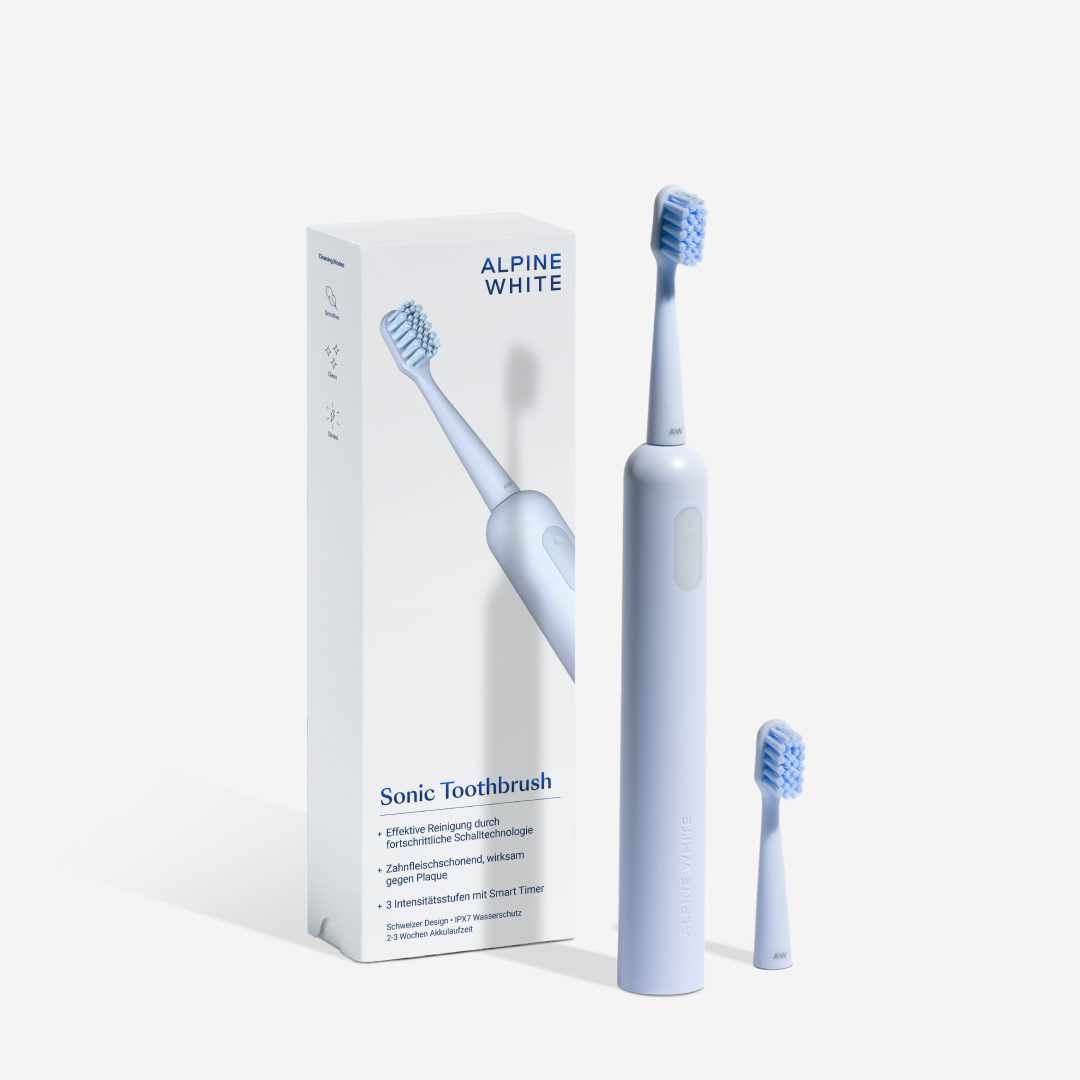
Another option is an electric one. With the Alpine White Sonic Toothbrush, you only need to replace the brush head rather than the whole brush, which means less waste. It is a handy way to keep your routine effective without throwing away the handle.

 Oral Care