What is periodontitis?
Periodontitis is an inflammatory gum disease that affects the whole tooth-supporting apparatus (the periodontium). The inflammation attacks the tissue that anchors your teeth in the jawbone, so the teeth gradually lose their hold. Without proper treatment, it can lead to bone loss and, in the worst case, tooth loss.
How does periodontitis develop?
Periodontitis starts when bacteria build up in plaque on the tooth surfaces and along the gum line. Plaque contains food particles and other substances that mix with saliva and form a sticky film on your teeth and gums. The result is gum inflammation, known as gingivitis. At this stage it can still be reversed with good dental care.
If the plaque is not removed, it hardens into tartar. Bacteria then attack the whole periodontium, and tartar also forms below the gum line. This is the main cause of periodontitis.
Besides plaque, other conditions can also cause gum inflammation, such as:
- Infectious diseases
- Diseases of the immune system
- Genetic or developmental disorders
- Hormonal or nutritional disorders
- Metabolic disorders
- Injuries, such as wounds or burns
What are the risk factors for periodontitis?
Risk factors include smoking, diabetes mellitus, poor oral hygiene, certain medications (such as anti-epileptic drugs or calcium channel blockers for cardiovascular disease), stress, hormonal changes such as pregnancy or menopause, teeth grinding (bruxism), genetic predisposition and a poor diet.
Smoking raises your risk of periodontitis because it interferes with oral hygiene and reduces saliva flow, which normally helps prevent plaque from forming.
People with diabetes mellitus are more likely to develop periodontitis because they are more susceptible to infection and find it harder to fight off bacteria.
Poor oral hygiene also plays a major role. More bacteria build up in your mouth, and over time this can inflame the tooth-supporting tissue and destroy it.
Certain medications can weaken your body's natural defences against bacterial infection, while hormonal changes such as menopause can disrupt normal healing in the gums. Teeth grinding (bruxism) can contribute to gum disease by putting extra pressure on your teeth and gums, irritating them further over time.
Crowns and fillings can contribute to dry mouth, which encourages plaque build-up and lets bacteria settle at the necks of your teeth.
Genetics can also play a part, as certain genes increase sensitivity to particular bacteria or change how the body reacts to them. A poor diet is linked to gum disease too, because it weakens the immune system's ability to fight bacteria, leading to more bacteria in the mouth.
What are the symptoms of periodontitis?
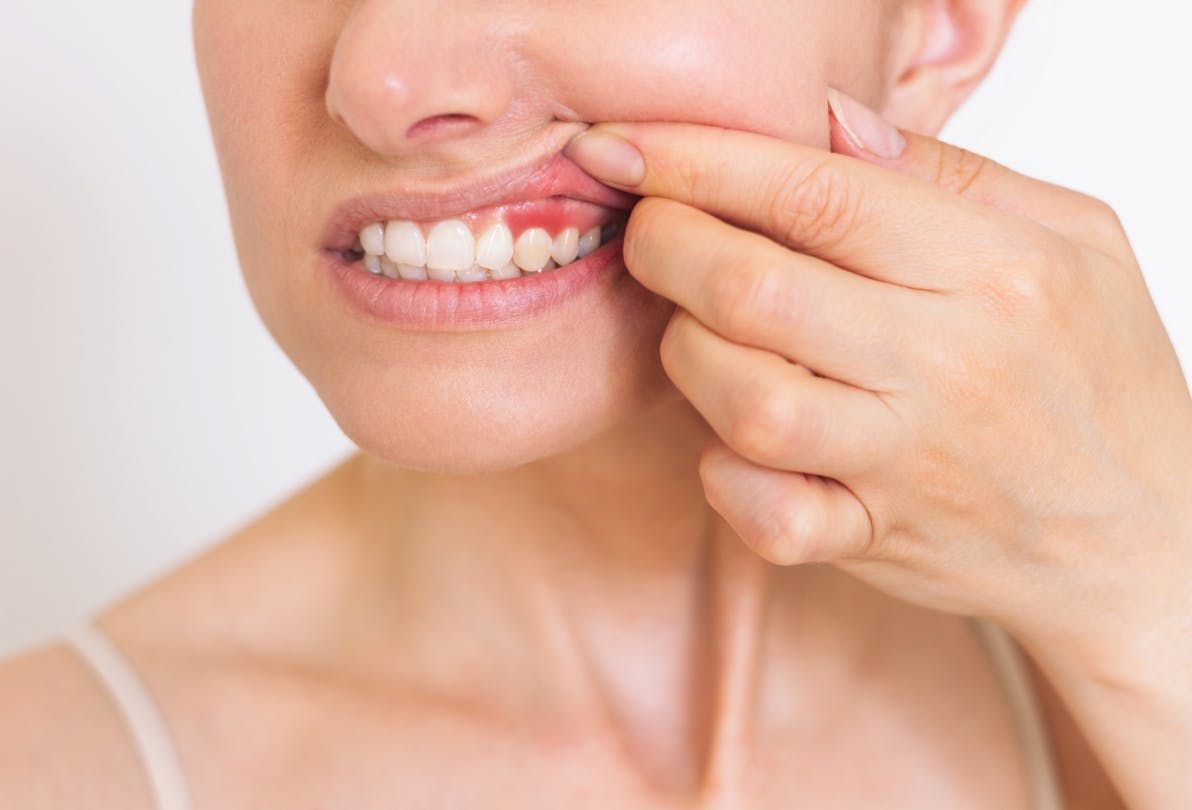
Symptoms of gum disease range from mild to severe and often go unnoticed in the early stages. Common signs include red, swollen or tender gums, bleeding gums after brushing or flossing, receding gums and persistent bad breath.
In severe periodontitis, pockets can form between the teeth and fistulas (small tunnels) between the gums and the jawbone, leading to infection and bone loss. Facial swelling can also appear and may indicate a spreading infection. If periodontitis progresses, it can cause irreversible tissue damage and even tooth loss.
Here is a quick overview of the symptoms:
- Red, swollen and/or tender gums
- Bleeding when brushing or flossing
- Receding gums
- Persistent bad breath
- Pain when chewing
- Loose teeth
- Sensitivity to hot or cold
- Changes in the way your teeth bite together
- Pus around the root of the tooth
- Abscesses (pockets) between the teeth
- Fistulas (small tunnels) between the gums and jawbone
- Swelling in the face
If you notice any of these signs, see your dentist or dental hygienist for an examination. They can tell you whether you have periodontitis. In an advanced case, your dentist can refer you to a periodontology specialist to discuss the treatment steps you need.


 Dental Hygiene