10 foods for healthy teeth
Here is a quick overview of the most tooth-friendly foods:
- Cheese
- Apples
- Carrots
- Broccoli and kale
- Almonds and pulses
- Yoghurt
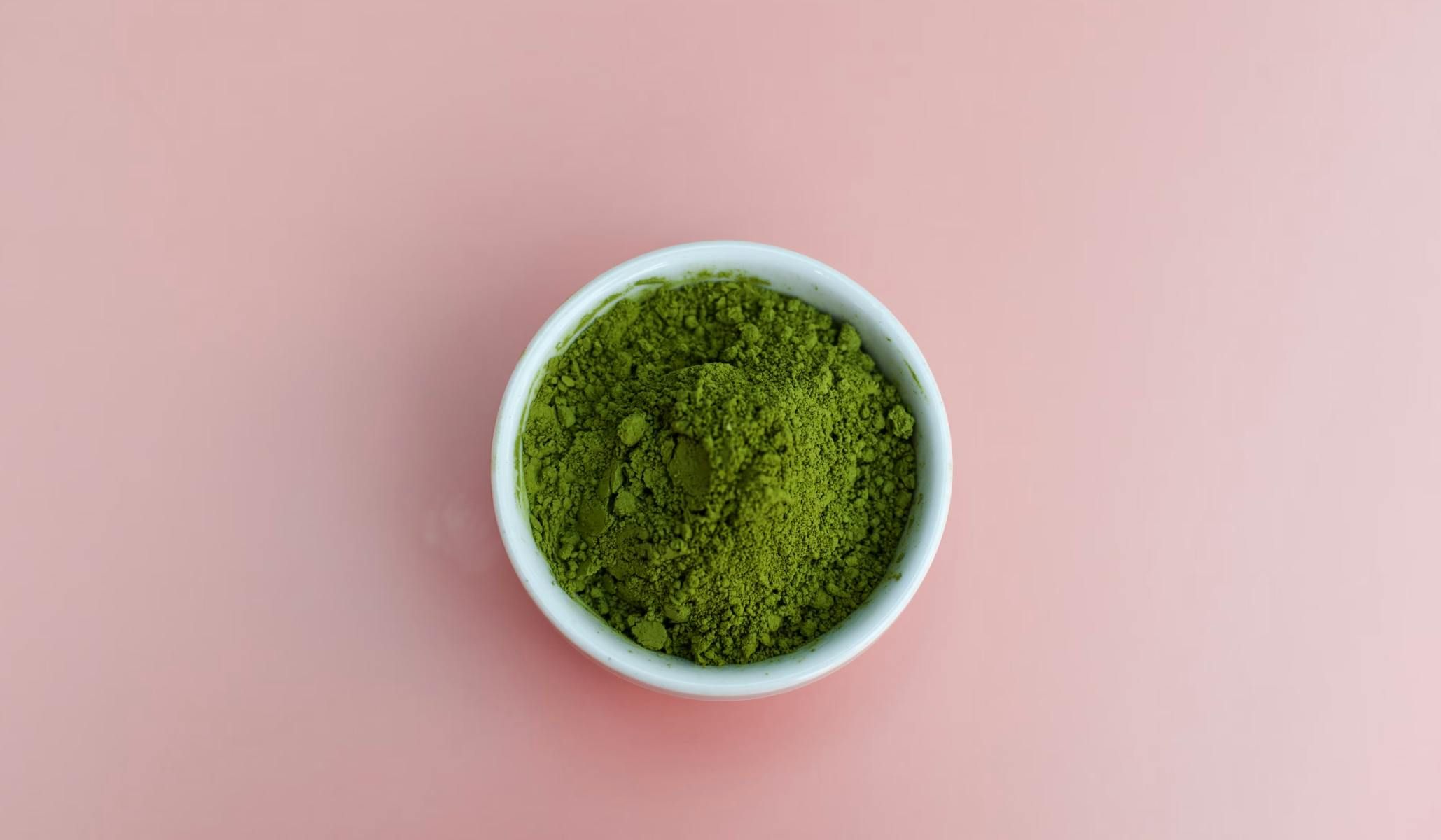
- Matcha and green tea
- Milk
- Sugar-free chewing gum
- Wholemeal bread and other wholegrain products
10 foods and drinks that damage teeth
For a tooth-friendly diet, try to limit these:
- Sticky sweets and candies
- Chocolate
- Citrus fruits and juices
- Caffeinated drinks such as coffee and black tea
- Acidic drinks, fizzy drinks, sports drinks and sweetened teas
- Dried fruit
- Bread with added sugar
- White and red wine
- Ice cubes and hard caramels
- Ketchup
Are crunchy fruit and vegetables good for your teeth?
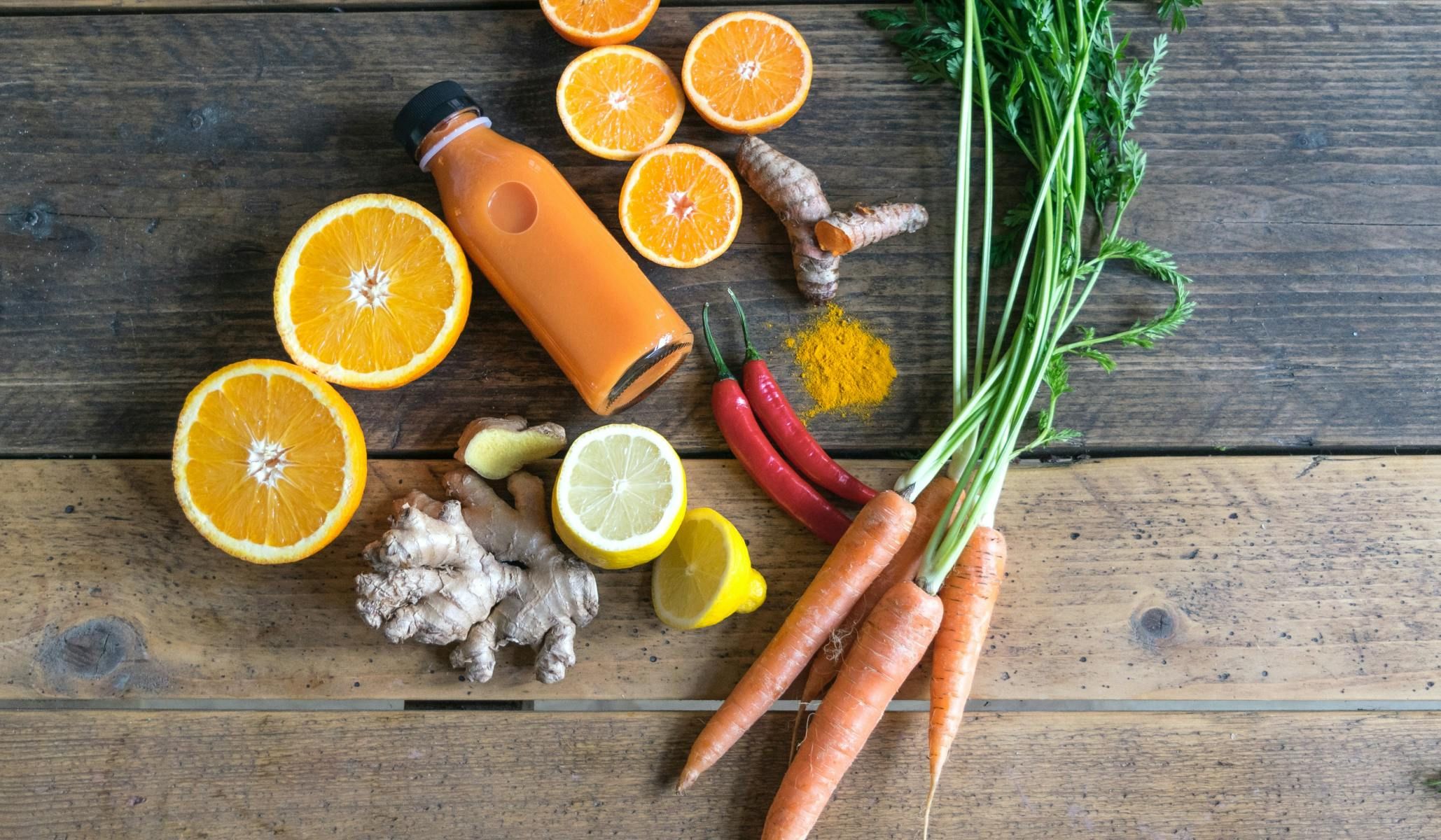
Believe it or not, raw fruit and vegetables such as apples, carrots and celery can help keep your teeth cleaner than brushing alone. The crunchy texture helps loosen food stuck between your teeth, and the fibres act like natural bristles that scrub away plaque and the residue of sugary snacks. A portion of crunchy fruit or veg every day is an easy way to support your oral hygiene, and it is good for the rest of you too. The vitamin C in lemons, kiwis and other citrus fruit can also strengthen the collagen structure of your gums. But don't overdo the fruit, as fruit sugar can harm your teeth. After eating acidic foods, wait at least half an hour before brushing your teeth.
Why are sugary drinks bad for your teeth?
If you want to look after your teeth better, cut back on sugary drinks such as fizzy drinks, juice and sports drinks first. They may be tasty and convenient, but the sugar feeds the bacteria that cause cavities, and these produce acids that attack your tooth enamel over time. Taking a few extra minutes in the morning to choose a healthier drink can spare you a lot of toothache, so it is well worth thinking about.
Drink water throughout the day
When it comes to looking after your mouth, one of the simplest and most effective things you can do is drink water throughout the day. Good hydration keeps saliva flowing and helps wash away food debris and bacteria that can lead to bad breath, cavities and gum disease. If you are not a fan of plain water, mix it with sparkling water or a splash of fresh fruit juice, but try not to rely on sugary drinks.
Is sugar-free chewing gum good for your teeth?
Chewing sugar-free gum after meals is a good habit for healthy teeth. It boosts saliva production, reduces plaque build-up and can help fight cavities by neutralising acids and giving bacteria less chance to grow. The taste also keeps your mouth feeling fresh. Sugar substitutes are broken down into acids that do not harm teeth, so they cannot cause tooth decay. Look for the "tooth man" symbol on the pack to recognise sugar-free gum. Next time you fancy a snack, swap the chocolate bar for a piece of sugar-free gum, and your teeth will thank you.
Yoghurt and other probiotic-rich foods
Foods rich in probiotics are one of the best things you can eat for your oral health. Yoghurt is a great choice and encourages the growth of healthy bacteria in your mouth. If yoghurt is not your thing, you can get similar benefits from kimchi, kefir, sauerkraut and pickles. Probiotic-rich foods help strengthen teeth and prevent cavities, and they can also aid digestion and reduce inflammation in the body.
Dairy products for strong teeth
Some foods can actively strengthen your teeth, and dairy products are a good example. They are an important source of calcium, which stabilises hard tissue. Have a glass of milk, a pot of fruit yoghurt and a little cheese each day to meet your calcium needs.
Avoid processed foods high in sugar and simple carbohydrates
Processed foods are convenient, tasty and easy to find on supermarket shelves everywhere. But many popular snacks also contain plenty of hidden sugar and simple carbohydrates, which can be harmful to your health. To be on the safe side, choose wholesome meals and snacks such as pulses or raw vegetables whenever you can. With a little effort, you can easily avoid processed foods high in sugar and other unwanted ingredients, and it pays off in the long run.

 Dental Health