What is matcha tea?
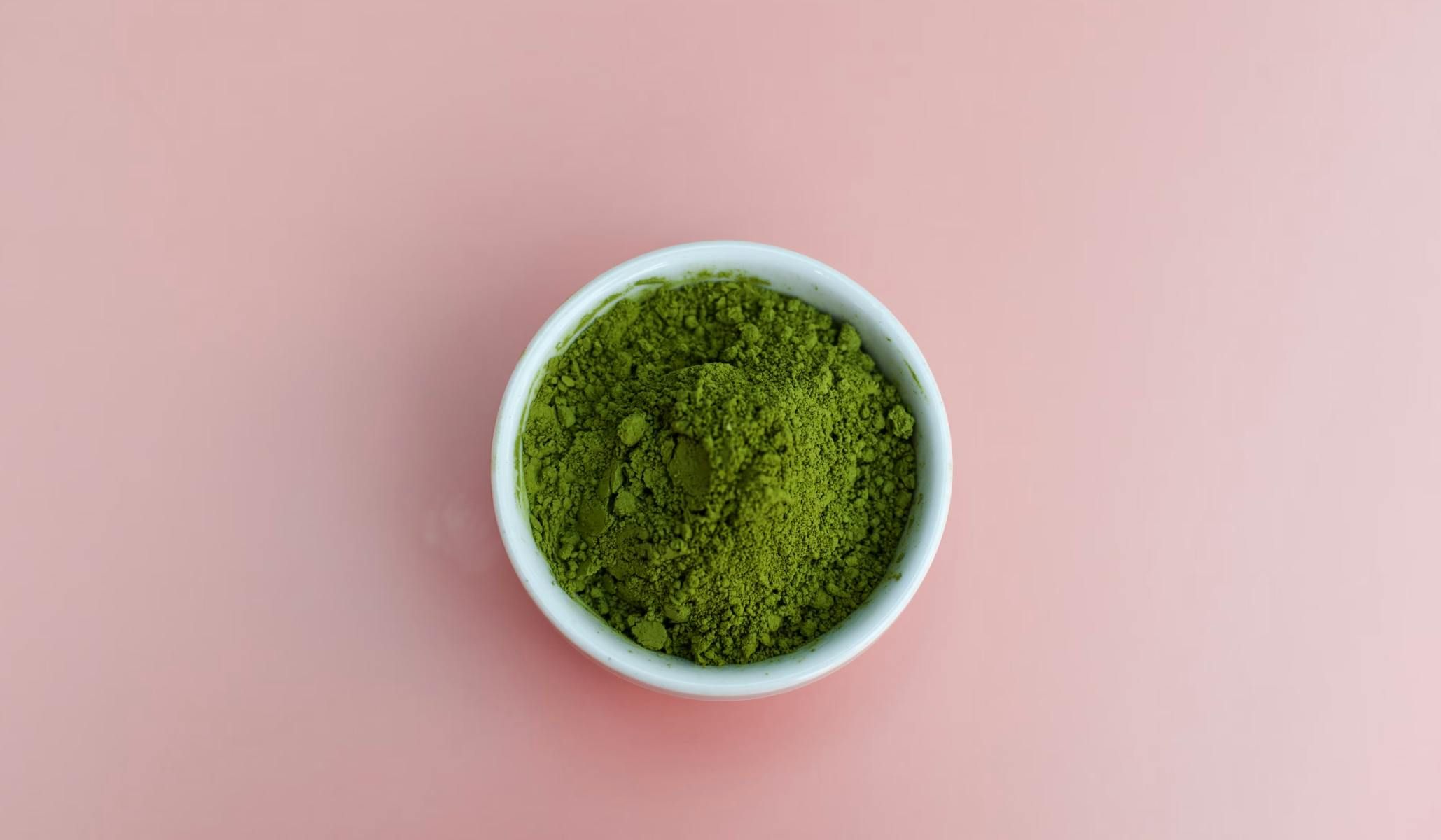
Matcha is a Japanese green tea best known for its health benefits. It has been grown around Kyoto for more than 800 years. All tea, including green tea and matcha, comes from the Camellia sinensis plant. Matcha is made from the best hand-picked tea leaves and is rich in vitamins and minerals. Above all, it contains plenty of catechins, which support the health of your teeth.
To raise the catechin content, the tea plants are grown in the shade. Matcha is also whisked into water rather than steeped in hot water like other green teas, so the valuable nutrients and flavours are preserved. It also has a very high level of polyphenols, natural plant compounds with antioxidant properties. They help protect your body from environmental influences and oxidative stress, which is why matcha is often called a superfood.
Is matcha good for your teeth and oral health?
The main reason matcha is good for your teeth is its antibacterial effect. It contains many antioxidants and polyphenols that work against bacteria and fungi. The polyphenols in matcha can reduce bacteria in the mouth, which lowers the risk of tooth decay and other oral problems and supports strong teeth. Because it acts against bacteria in the mouth, matcha can also help with gum inflammation (gingivitis).
Matcha powder is also rich in chlorophyll, the pigment that gives green tea and other plants their colour. Chlorophyll has antibacterial and anti-inflammatory properties and stimulates saliva production, which supports the care of your teeth. It is also said to help the body remove chemicals and heavy metals, so matcha suits a daily detox routine. Matcha may also help with the remineralisation of tartar.
Can matcha help with bad breath?
Yes, matcha is an effective helper against bad breath (halitosis). The polyphenols in green tea extracts inhibit the growth of the bacteria that cause bad breath. They also act against the bacteria behind tooth decay, care for the gums, soothe inflammation and can remineralise weak enamel, which helps you fight gum disease and periodontal disease.
Drinking green tea very often can stain your teeth if you do not brush properly. Drinking too much can also have side effects, because the polyphenols in green tea can become unstable in excess and cause unwanted reactions in the body. To avoid this, do not exceed 5 cups of tea a day. Within that limit, enjoying matcha regularly supports your overall health as well as your teeth and gums.


 Dental Hygiene