Back to overview
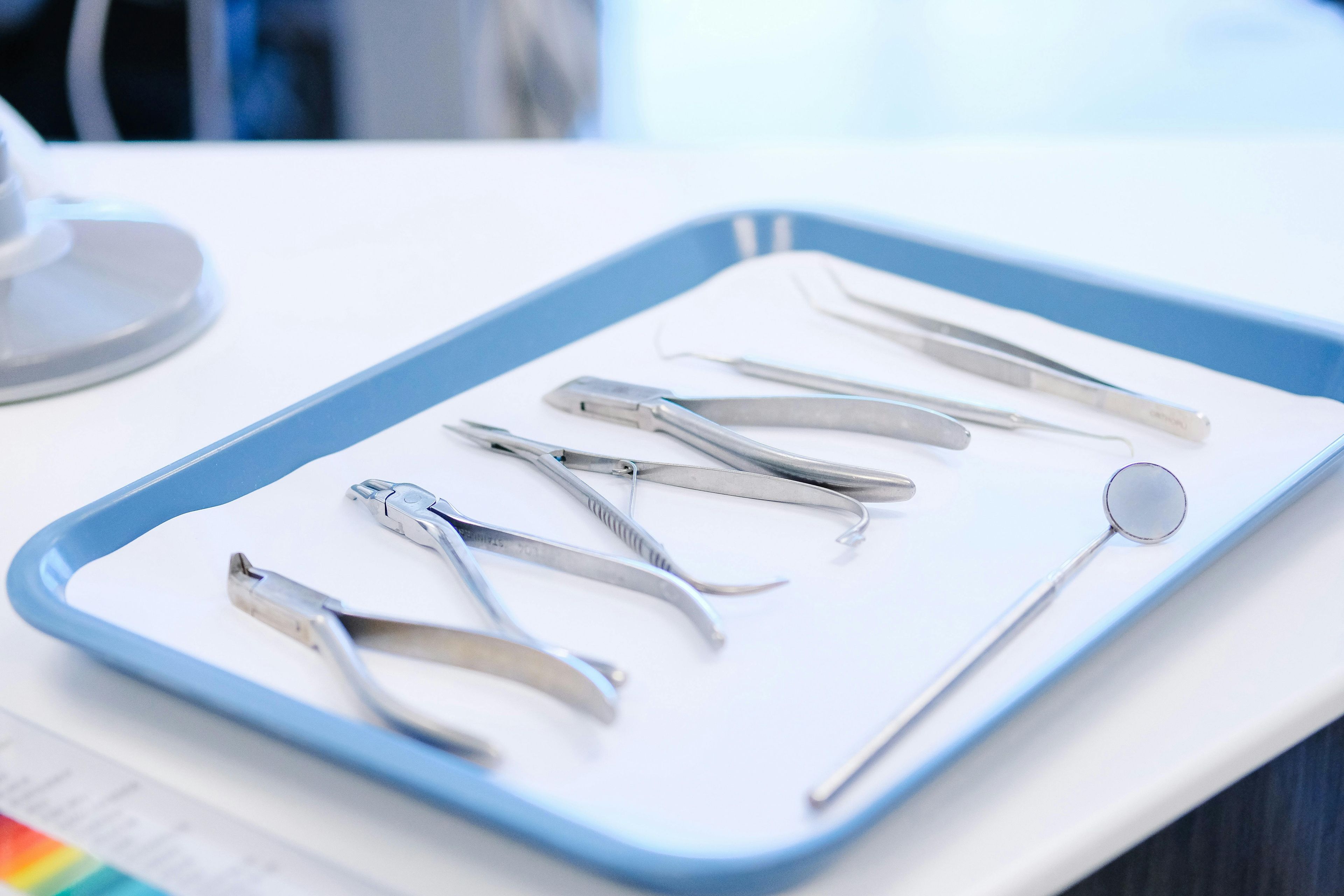
Blue tray with dental instruments, mirror and probe

Dental anxiety: what helps against fear of the dentist?

Dental HygieneApr 23, 20235 min read

Dental anxiety is a common problem that stops many people from going to regular check-ups. If you are afraid of the dentist, you are not alone, and there are plenty of ways to feel calmer in the dental chair. Here is what causes dental anxiety and which methods can help.


Andrea Seraina

Andrea Seraina

Dental Content Specialist

What causes dental anxiety?

People fear the dentist for many different reasons. It can range from mild nervousness to a full dental phobia with sweating and a racing heart. These are some of the most common causes of fear of the dentist:

  • Painful experiences: A painful or traumatic experience at the dentist in the past can lead to dental anxiety. Teeth in poor condition can also cause embarrassment, so many people avoid the dental practice altogether.
  • Feeling helpless: Many people feel uneasy when they are helpless and not in control. During dental treatment you often lie back in exactly that position, which can make you anxious.
  • Negative attitudes towards dentistry: Stories from friends and family, TV programmes or films can create a negative image of dental care. This is how rumours and a dislike of dental visits take hold.
  • Fear of needles: Injections or needles used during dental treatment can also cause discomfort.
  • General anxiety disorders: If you already have an anxiety disorder, you may react especially strongly to stressful situations such as dental treatment. This can turn into a panicky fear of the dentist.
  • Triggers in the surroundings: Some people link the dentist with a particular situation, such as the sound of the drill.
  • Lack of information: If you do not know what happens during treatment, this can create uncertainty and worry.

The good news is that there are several steps for treating anxious patients, which we explain below.

What does the dentist do if you have dental anxiety?

Dentists can use several strategies to make your visit as stress-free as possible. It helps to tell the practice about your fear before your first appointment, so that you can arrange a consultation first.

The first step towards feeling at ease in the dentist's chair is an empathetic dentist who makes you feel you are in good hands. A caring dentist will reassure you with calming words throughout the treatment.

In some cases, the dentist may prescribe a short-acting sedative or use mild sedation so that treatment is relaxed and pain-free. A local anaesthetic can also be used to keep treatment painless and to protect your oral health by preventing toothache.

Tips for overcoming fear of the dentist

Here are the main approaches that can help you overcome your fear of going to the dentist.

Find an understanding dentist

It is important to find a dentist you trust and who takes your needs and fears seriously. Ask friends and family for recommendations, or read reviews and patient experiences online. Some dentists also specialise in treating anxious patients.

Tell your dentist about your fear

Before your first appointment, let your dentist know that you suffer from dental anxiety. That way you can discuss techniques that will make your visit easier.

Try relaxation techniques

Relaxation exercises and autogenic training, such as deep breathing or meditation, can make a visit to the dental practice more comfortable.

These methods can help you reduce dental anxiety:

  1. Relaxation exercises: Relaxing different muscle groups helps to release tension and takes your mind off your fear.
  2. Breathing techniques: Slow, deep breathing can reduce anxiety. Breathe in slowly through the nose and out through the mouth to relax the body and calm the mind.
  3. Mindfulness: This means focusing on the present moment and letting go of worries and negative thoughts. Concentrating on the here and now helps you release your fear before the appointment.
  4. Hypnosis: Hypnosis leads to a trance-like state in which the body relaxes, blood pressure and pulse drop and attention turns inward. A hypnotherapist can give you tips that build confidence in dental care.
  5. Visualisation: Imagine a pleasant experience to build positive associations and reduce anxiety. For example, picture yourself leaving the dental practice with a bright smile.

Distract yourself with music or films

Many practices offer music or films during treatment to distract patients. If yours does not, simply ask whether you can wear headphones during treatment.

Ask about sedation

In some cases, light sedation can reduce anxiety during dental work and help you stay calm.

There are different types of sedation. Here are some examples:

  1. Nitrous oxide (laughing gas): A mild form of sedation in which a mixture of nitrous oxide and oxygen is inhaled through a mask. It leaves you in a relaxed, drowsy state. It works quickly and leaves the body quickly after treatment.
  2. Oral sedation: Prescribed tablets or capsules with a calming effect, taken before your appointment to help you relax.
  3. Intravenous (IV) sedation: A sedative is given through a vein. The advantage is that the dentist can adjust the level of sedation during treatment. This method is not recommended if you are afraid of needles.
  4. General anaesthetic: In acute cases, such as a root infection or wisdom tooth removal, the procedure can also be carried out under general anaesthetic, administered by an anaesthetist.

Sedation should always be carried out by a qualified professional, such as an anaesthetist or an experienced dentist. Your dentist can help you choose a suitable option.

Bring someone you trust

A familiar face can give you calm and confidence during treatment. Take a good friend who encourages you and makes you feel at ease. It also helps to know that someone is looking out for you.

Book short appointments

If your dental anxiety is severe, short appointments can help you get used to the dentist step by step and ease your fear.

Reward yourself

After every dental visit, treat yourself to something you enjoy. This builds positive associations with the dentist and reduces your fear over time.
Is a professional clean painful? Looking after your teeth between visits

Many anxious patients worry about professional teeth cleaning, but a visit to a dental hygienist is usually gentle, especially with modern airflow technology. A regular scale and polish also protects you from cavities and gum diseases such as gingivitis or periodontitis. If you have toothache or any other symptoms, please see your dentist, who can examine you and advise on the right treatment.

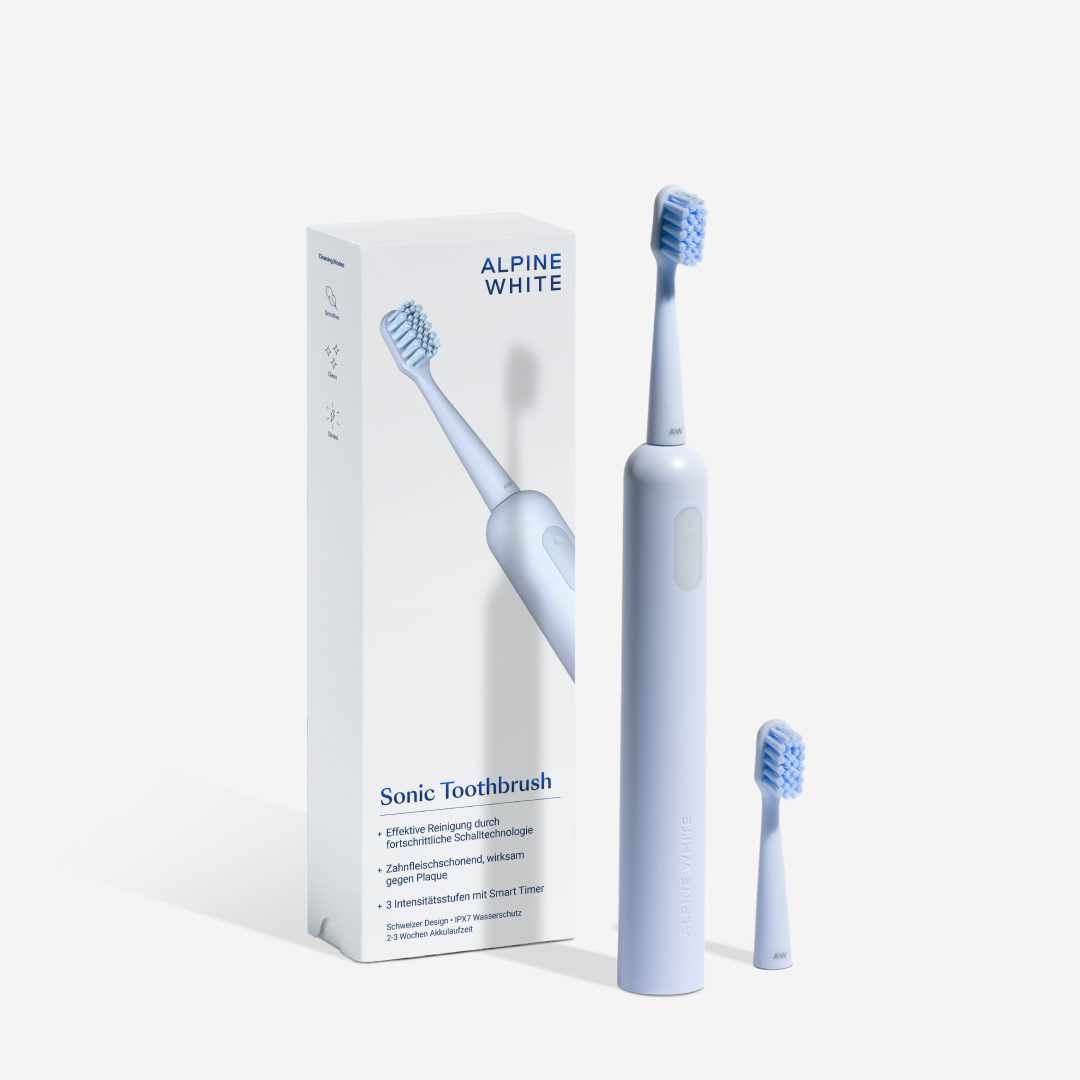
Between visits, a good daily routine at home keeps your teeth clean and your mouth healthy. The Alpine White Sonic Toothbrush and Whitening Toothpaste Extra White support your daily care. Combined with regular dental hygiene appointments, you may be able to feel more relaxed about your next dental check-up. Our vision is to make healthy, white teeth possible for everyone.

Sonic Toothbrush next to its packaging and a replacement brush head against a light background
5.0(3)

Sonic Toothbrush

€ 99.90

1 pc • € 99.90

Learn more

This might also interest you

Two smiling women against a white background, one in green top, the other in beige jacketDental Hygiene

Professional teeth cleaning with a dental hygienist

A visit to the dental hygienist does two jobs. Cosmetically, a professional teeth cleaning removes stains and plaque for a cleaner, brighter smile. Medically, it protects your gums and teeth, so they stay healthy for much longer. Here is how a scale and polish works, what it prevents and how to support it at home.